How to Choose the Perfect Mirror for Every Room in Your Home

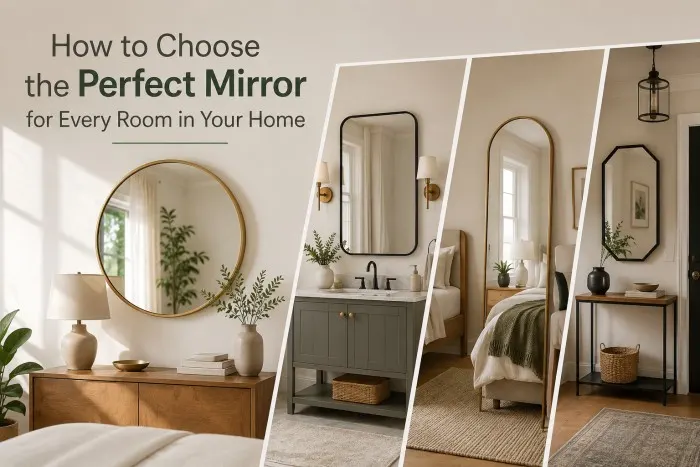
Mirrors do far more than reflect an image. In 2026, they remain one of the most effective tools for shaping light, space, and style in a home. The right mirror can make a small room feel larger, brighten a dark corner, or serve as a striking design feature. Choosing well means matching size, shape, frame, and placement to the specific needs of each room.
Start with Purpose and Proportion
Before focusing on style, consider what you want the mirror to achieve. Is it primarily functional, decorative, or both? Measure the wall space and nearby furniture so the mirror feels balanced rather than oversized or lost. A general guideline is to choose a mirror that is roughly two-thirds the width of the furniture it sits above, such as a console or dresser. In open wall spaces, scale becomes more flexible, but the mirror should still relate to the room’s overall proportions.
Entryway and Hallway Mirrors
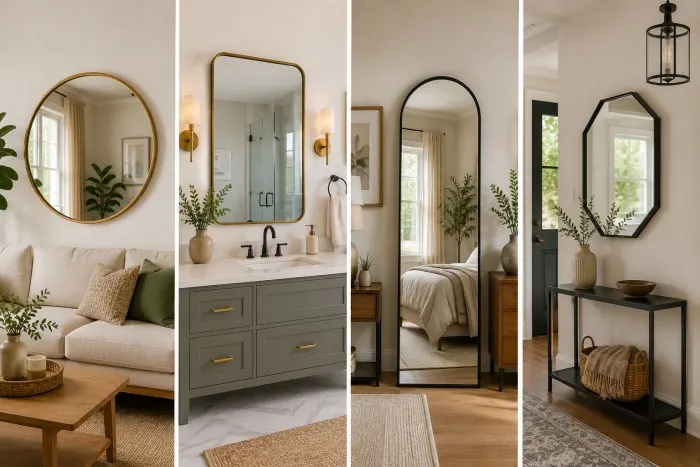
The entryway sets the tone for the home and benefits from a practical yet welcoming mirror. A medium-to-large mirror near the door allows for quick appearance checks while also bouncing light into the space. Round or arched shapes soften the transition from outdoors to indoors, while rectangular frames offer a cleaner, more structured look. In narrow hallways, a tall vertical mirror can create the illusion of greater width and depth. Avoid placing mirrors where they will immediately reflect clutter or an unflattering view of the entrance.
Living Room Mirrors
In living rooms, mirrors often serve as design statements as well as light enhancers. Large mirrors placed opposite windows amplify natural light and outdoor views. Lean a substantial floor mirror against the wall for a relaxed, layered effect, or hang a statement piece above a sofa or fireplace to create a focal point. Grouping smaller mirrors can add visual interest, but keep the arrangement cohesive in shape or finish. Frames in wood, metal, or textured materials should complement existing furniture rather than compete with it.
Bedroom Mirrors
Bedroom mirrors need to balance function with calm. A full-length mirror is highly practical for dressing and works well on a wall or the back of a door. For a softer look, consider an arched or softly rounded frame that feels less rigid. Placement opposite a window can brighten the room, but avoid positioning a mirror so it reflects the bed directly if that feels unsettling. On dressers, a horizontally oriented mirror helps maintain balance and provides a useful reflection for daily routines.
Bathroom Mirrors
Bathrooms demand both clarity and durability. Choose mirrors with strong lighting consideration—either well-placed wall lights or a design that works with existing fixtures. Frameless or minimally framed mirrors create a clean, spacious feel in smaller bathrooms, while bolder frames can add character in larger ones. Anti-fog options and quality glass improve daily usability. Medicine cabinet mirrors combine storage with function, making them especially practical in compact spaces. Ensure the mirror is proportionate to the vanity for a polished result.
Dining Room and Kitchen Considerations
In dining rooms, a mirror can enhance the atmosphere by reflecting candlelight or a beautiful table setting. Position it to capture pleasant views rather than busy kitchen areas. In kitchens, mirrors are less common but can work in breakfast nooks or on open walls to increase brightness. Choose materials that withstand humidity and are easy to clean. Etsy offers a wide selection of unique and handcrafted mirrors, from vintage-inspired designs to modern custom pieces, making it easier to find something with genuine character for any room.
Frame, Finish, and Style Harmony
The frame often determines how a mirror sits within a room. Thin metal frames suit contemporary spaces, while wood and ornate finishes align with traditional or eclectic interiors. Consider the existing hardware, furniture legs, and lighting finishes so the mirror feels integrated. In rooms with mixed styles, a simple frame usually provides the most flexibility.
Light and Placement Principles
Mirrors amplify whatever they face. Place them to reflect light sources, greenery, or attractive architectural details. Avoid directing them toward cluttered corners, utility areas, or unappealing views. In darker rooms, even a moderately sized mirror can noticeably improve brightness when positioned with intention.
Final Thoughts
The perfect mirror balances proportion, purpose, and style. By considering the specific needs of each room—function in the entryway and bathroom, atmosphere in the living and dining areas, calm utility in the bedroom—you can select pieces that improve both daily life and overall design. Quality materials and thoughtful placement ensure a mirror remains effective and attractive for years.
When chosen carefully, mirrors become more than practical objects. They shape how a home feels, how light moves through it, and how each space supports the people who live there.