
Best Moped-Style E-Bikes for Teens: Key Features Parents Should Consider


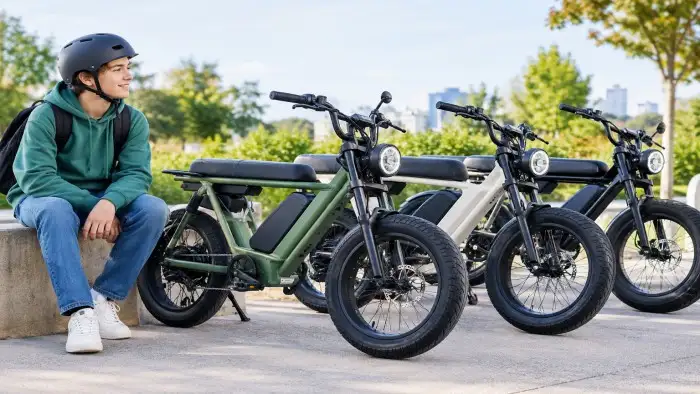
Moped-style electric bikes have become a popular choice for teenagers who want more independence while still using a relatively simple and efficient form of transport. These bikes typically feature a step-through or upright frame, a comfortable seat, and a practical design that feels more stable than a traditional bicycle. When evaluating Moped-Style E-Bikes for Teens, parents should look beyond appearance and focus on safety, usability, legal compliance, and long-term practicality.
Understanding the Moped-Style Design
Moped-style e-bikes often include a more relaxed riding position, floorboards or wide foot placement, and a sturdy frame. This geometry can feel less intimidating for newer riders and makes mounting and dismounting easier. The design also tends to handle short urban trips, school runs, and neighborhood travel well. However, not every model marketed as “moped-style” is equally suitable for teen use. The right combination of power, weight, brakes, and controls matters more than styling alone.
Motor Power and Speed Limits
Parents should pay close attention to motor output and top assisted speed. Many regions regulate e-bikes by continuous power and maximum assisted speed, commonly capping street-legal models at 20 mph (or the local equivalent) with motors around 250W to 750W depending on the classification. Choosing a bike that stays within legal limits helps avoid fines and keeps the rider on paths and roads where e-bikes are permitted.
Excessive power can make a bike harder for a less experienced rider to control, especially when starting or turning. A moderate, predictable power delivery is usually safer and more confidence-building for teens than a high-output motor designed for adult performance riding.
Braking System and Overall Safety
Reliable brakes are non-negotiable. Disc brakes, whether mechanical or hydraulic, generally offer stronger and more consistent stopping power than rim brakes, particularly in wet conditions. Look for bikes with responsive levers that a teen can comfortably reach and pull. Some models include integrated lights, reflective elements, and horn or bell options that improve visibility and communication in traffic.
A stable frame and quality tires also contribute to safety. Wider tires can add comfort and grip on imperfect city surfaces. Parents should check that the bike has a secure battery mount and that cables and components are well protected from casual bumps or weather.
Battery Range and Charging Practicality
Range should match realistic daily use. A battery that supports typical school or activity distances with some reserve is more useful than a larger, heavier pack that the rider rarely needs. Removable batteries make charging easier, especially if the bike is stored in a garage or shared area. Clear battery indicators help teens plan rides and avoid running out of power unexpectedly. Charging time and battery longevity also matter. Quality systems with proper battery management tend to perform more reliably over years of regular use.
Weight, Size, and Fit
A bike that is too heavy or poorly sized becomes difficult to handle, park, or lift if needed. Teens vary widely in height and strength, so adjustable seat posts, accessible standing heights, and a manageable overall weight are important. Step-through frames often make the bike easier to control at low speeds and when stopping.
Parents should have the teen test the riding position if possible. Comfortable reach to the handlebars, secure footing when stopped, and a stable center of gravity all reduce the chance of tip-overs or awkward starts.
Controls and Ease of Use
Simple, intuitive controls help new riders focus on the road rather than the display. Clear assist-level settings, an easy-to-read speed and battery screen, and straightforward power buttons reduce confusion. Pedal-assist systems that respond smoothly are generally preferable for learning; throttle control, where legal, should be progressive rather than abrupt. Actbestbike offers moped-style models that emphasize practical design and rider-friendly features, giving parents additional options when comparing suitability for teen use.
Build Quality and Maintenance
A well-built bike with solid welds, reliable components, and good customer support will cost less in repairs and frustration over time. Check warranty terms on the frame, motor, and battery. Local service availability is also worth confirming—teens are more likely to keep riding if minor issues can be fixed quickly. Fenders, a rear rack, and integrated lighting add everyday usefulness for school bags, groceries, or commuting in varied weather.
Legal and Parental Guidelines
Rules for e-bike use by minors differ by location. Some areas set minimum ages, helmet requirements, or restrictions on roads and paths. Parents should review local regulations before purchasing and set clear household rules about where and when the bike may be ridden, helmet use, and phone-free riding.
Final Considerations
The best moped-style e-bike for a teen balances manageable power, strong brakes, proper fit, adequate range, and durable construction. Prioritizing these practical features over purely cosmetic ones helps ensure the bike is safe, usable, and enjoyable. With the right choice, a moped-style e-bike can give teenagers useful independence while giving parents greater confidence in the bike’s suitability for daily travel.







1 Comment
The content is really great