The 5 Technology Trends for 2026 Everyone Must Prepare for Now

The pace of technological innovation shows no sign of slowing down. By 2026, a new wave of breakthroughs will reshape how we live, work, and connect with the world. From artificial intelligence to sustainability-driven solutions, these changes will not only disrupt industries but also redefine everyday life. Preparing for them now will be essential for individuals, businesses, and governments alike.
Here are the five key technology trends for 2026 that everyone should be ready for:
1. Artificial Intelligence Becomes Mainstream Everywhere
AI has already moved from science fiction to our daily routines, but by 2026, its role will be even more widespread and sophisticated. Generative AI, conversational agents, and intelligent automation will transform sectors like healthcare, education, finance, and creative industries.
Instead of simply assisting humans, AI will increasingly act as a collaborator. In workplaces, AI-driven tools will handle complex tasks such as decision-making, content creation, and predictive analytics. In healthcare, AI will enhance diagnostics, personalize treatment, and manage patient care at scale.
However, this rapid adoption also brings challenges—ethical concerns, job displacement, and the need for strong governance. Organizations and individuals must prepare by learning how to work with AI, ensuring transparency, and acquiring new digital skills.
2. The Rise of Extended Reality (XR) and the Metaverse 2.0
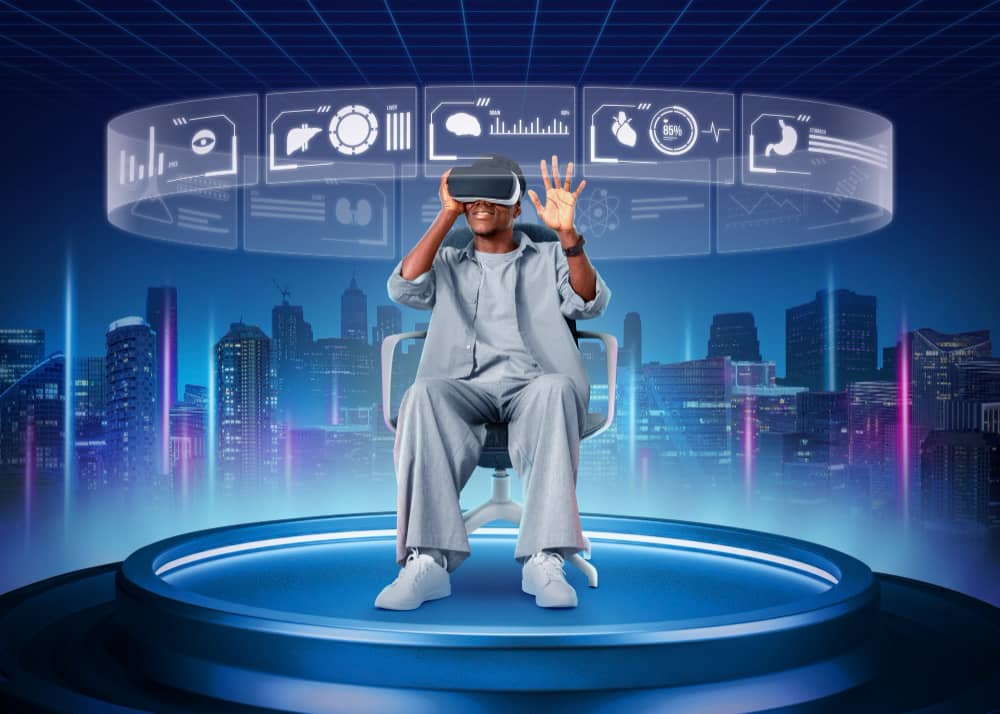
While the term “metaverse” had its hype peak earlier in the 2020s, by 2026, it will evolve into a more practical and widely adopted version—what some call Metaverse 2.0. This era will combine virtual reality (VR), augmented reality (AR), and mixed reality (MR) into a seamless digital-physical experience.
Industries like retail, real estate, and education will leverage XR to offer immersive experiences. Imagine attending a university class where students and professors interact in a lifelike virtual environment, or shopping for clothes where you try them on digitally before ordering.
Hardware advances—lighter headsets, AR glasses, and haptic technology—will make XR more comfortable and accessible. Meanwhile, businesses will invest in creating “digital twins” of factories, cities, and supply chains to simulate and optimize operations.
For professionals and organizations, preparing for 2026 means investing in XR skills and exploring how immersive technologies can enhance both customer engagement and internal processes.
3. Quantum Computing Moves Closer to Reality
Quantum computing, once a niche research area, is advancing rapidly. By 2026, we are likely to see commercially viable quantum applications begin to emerge. These super-powerful machines can solve problems that traditional computers would take centuries to handle, opening new frontiers in science, cryptography, and logistics.
For example, pharmaceutical companies could use quantum computing to accelerate drug discovery, testing millions of compounds virtually. Logistics companies may rely on quantum optimization to streamline supply chains and reduce costs.
But quantum computing also introduces risks, particularly in cybersecurity. Current encryption methods could become obsolete, pushing organizations to adopt post-quantum cryptography. Preparing for this shift now—through research, training, and partnerships—will give businesses a competitive edge in the years ahead.
4. Green Tech and Sustainable Innovation
Climate change remains one of the greatest global challenges, and technology will play a central role in addressing it. By 2026, green technology will be at the forefront of innovation. From renewable energy breakthroughs to sustainable manufacturing processes, companies and governments will be under pressure to prioritize eco-friendly solutions.
We can expect significant advancements in areas such as:
- Next-generation batteries for electric vehicles and energy storage.
- Smart grids that optimize energy usage and reduce waste.
- Carbon capture and storage (CCS) technologies.
- Biodegradable materials replacing plastics in packaging and fashion.
Consumers are also driving this change, demanding transparency and accountability from brands. Companies that adopt sustainable practices not only reduce their environmental footprint but also strengthen their reputation and appeal to eco-conscious markets.
For individuals, green technology will affect everyday life through smarter homes, cleaner transportation, and greater access to renewable energy sources.
5. Cybersecurity and Digital Trust as Top Priorities
As technology becomes more embedded in our lives, the risks of cyberattacks, data breaches, and misinformation grow exponentially. By 2026, cybersecurity will no longer be optional—it will be the backbone of trust in digital systems.
The increasing use of AI, XR, and quantum computing means that new forms of cyber threats will emerge. Deepfakes, AI-generated scams, and quantum-powered hacking are just some of the risks on the horizon. Businesses and governments will need to adopt advanced cybersecurity frameworks, focusing on zero-trust architecture, biometric security, and AI-driven defense systems.
For individuals, this trend underscores the importance of digital literacy—knowing how to protect personal data, recognize online threats, and navigate an environment where the line between real and fake content is increasingly blurred.
Trust will become a key currency in the digital economy, and organizations that can guarantee data security will gain a competitive advantage.
Preparing for the Future Now
The year 2026 may sound far away, but the technologies shaping it are already here. The difference will lie in how widely they are adopted and integrated into our daily lives. For businesses, this means proactively investing in innovation, upskilling employees, and building resilience against risks. For individuals, it means staying curious, flexible, and willing to learn new skills.
These five trends—artificial intelligence, extended reality, quantum computing, green tech, and cybersecurity—will not only reshape industries but also define the future of human interaction, work, and sustainability. Preparing now ensures that when the future arrives, we’re ready not just to adapt, but to thrive.
5 Ways to Prepare for 2026 Technology Trends
- Upskill in Emerging Tech
Take courses in AI, XR, quantum computing basics, or cybersecurity to stay competitive in a rapidly evolving job market. - Experiment Early
Businesses should pilot XR tools, AI platforms, or green technologies now, so they’re not playing catch-up in 2026. - Adopt a Cybersecurity-First Mindset
Whether at work or home, invest in stronger security tools, learn about phishing scams, and prioritize digital safety. - Invest in Sustainability
Support green technologies, shift to renewable energy, and choose eco-friendly brands—both as consumers and organizations. - Stay Curious and Adaptable
Technology evolves quickly; being open to change and continuously learning will be your greatest advantage.