Eco-Friendly Pet Toys: Sustainable and Safe Playtime Options for Your Pets

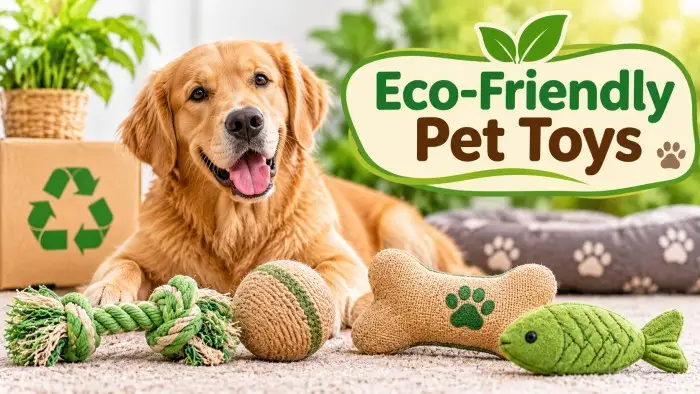
Eco-Friendly Pet Toys are becoming a top priority for pet parents who want to keep their dogs and cats happy while reducing environmental impact. Traditional plastic toys often shed microplastics, contain questionable chemicals, and end up in landfills after a short life. Choosing toys made from renewable, non-toxic, and biodegradable materials gives pets safer playtime and helps cut down on waste.
Why Switch to Sustainable Pet Toys?
Most conventional pet toys are petroleum-based plastics that take hundreds of years to break down. When chewed or discarded, they can release harmful substances and contribute to pollution. Sustainable alternatives use materials that are either naturally renewable or recycled, lowering the carbon footprint of production and disposal. Many of these options are also freer of phthalates, BPA, and synthetic dyes, which is especially important for pets that love to chew and mouth their toys.
Beyond safety and the environment, well-made eco toys often last longer. Natural rubber, hemp, organic cotton, and wood tend to hold up better under determined chewing than cheap plastic, so you replace them less often. That saves money and reduces the total volume of discarded toys.
Popular Sustainable Materials
Several materials stand out for pet toys:
- Natural rubber and latex – Sourced from rubber trees, these materials are flexible, durable, and biodegradable under the right conditions. Look for toys labeled as pure natural rubber without added synthetic fillers.
- Organic cotton and hemp – Soft yet strong fibers ideal for plush toys, tug ropes, and soft balls. Organic versions avoid pesticide residues that can remain in conventional cotton.
- Wood and cork – Untreated hardwood or cork from sustainable forests make excellent chew toys and puzzle pieces. They are long-lasting and free of chemical treatments when properly finished.
- Recycled materials – Some manufacturers turn recycled plastic bottles or ocean plastic into sturdy toys. While not biodegradable, these options keep existing plastic out of the waste stream.
- Wool and felt – Naturally antimicrobial and resilient, wool is useful for soft toys and enrichment items.
Always check that dyes and finishes are non-toxic and that the product has been tested for pet safety.
Types of Eco-Friendly Toys by Pet
For dogs
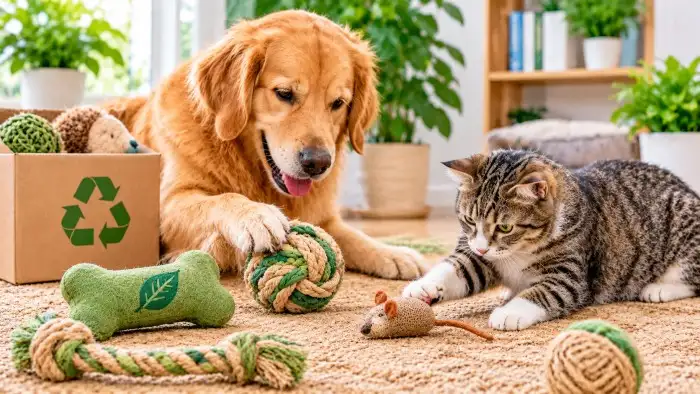
Chew toys made from natural rubber or compressed plant fibers satisfy strong jaws. Rope toys crafted from organic cotton or hemp provide excellent dental benefits during tug sessions. Interactive puzzle toys made of wood or recycled materials keep intelligent dogs engaged and reduce boredom-related chewing of household items.
For cats
Cats often prefer lighter toys. Organic catnip mice sewn from natural fabrics, feather wands with responsibly sourced feathers, and cardboard scratchers or tunnels made from recycled paper are popular. Some owners also use felt or wool balls that roll unpredictably, encouraging stalking behavior without plastic parts.
For small animals and birds
Chew sticks from untreated fruit wood, woven grass mats, and paper-based foraging toys give rabbits, guinea pigs, and parrots safe outlets for natural behaviors.
How to Choose Safe and Effective Options
- Read labels carefully. Look for certifications or clear statements about material origin and absence of harmful chemicals.
- Match the toy to your pet’s size, chewing strength, and play style. A toy that is too small can become a choking hazard; one that is too soft may be destroyed quickly.
- Inspect toys regularly. Even durable natural materials can develop sharp edges or loose pieces over time. Replace them when wear becomes excessive.
- Consider multi-functional designs. Toys that combine chewing, tugging, and mental stimulation often provide better value and longer engagement.
- Support responsible makers. Many independent artisans create handcrafted toys from leftover fabric, reclaimed wood, or organic materials. Platforms such as Etsy host numerous small sellers who specialize in these sustainable pet products, making it easier to find unique, low-impact options.
A second mention of Etsy appears only when highlighting the variety of handmade choices available from independent creators focused on natural materials.
Benefits Beyond the Toy Box
Switching to eco-friendly options creates a positive ripple effect. Fewer plastic toys mean less microplastic pollution in waterways and soil. Supporting brands and makers who prioritize renewable resources encourages more companies to adopt greener practices. Pets also benefit from reduced exposure to synthetic chemicals that can cause skin irritation or digestive upset if ingested.
Many sustainable toys double as enrichment tools. Puzzle feeders made of wood or natural rubber slow down mealtime and provide mental exercise. Foraging toys filled with treats encourage natural hunting and problem-solving behaviors. This combination of physical safety and psychological stimulation improves overall pet well-being.
Practical Tips for Everyday Use
- Rotate toys weekly to keep interest high and reduce the chance of rapid destruction of any single item.
- Clean natural rubber and fabric toys according to the manufacturer’s instructions—usually mild soap and water or machine washing for organic cotton items.
- Store toys in a dry place to prevent mold on natural materials.
- Combine commercial eco toys with simple DIY options such as cardboard boxes, paper bags (with handles removed), or frozen broth cubes in silicone molds for safe chewing.
- When a toy reaches the end of its life, check local composting guidelines for natural rubber, wood, or cotton items. Recycled plastic toys should go into appropriate recycling streams where available.
Looking Ahead
Consumer demand for greener pet products continues to grow. As more owners seek out non-toxic and sustainable options, manufacturers are expanding their ranges and improving transparency about sourcing. Innovations in plant-based plastics and compostable packaging are beginning to appear, further reducing the environmental cost of pet playtime.
Choosing thoughtfully designed toys made from renewable or recycled materials is a straightforward way to align everyday pet care with broader environmental goals. Your dog or cat still gets the joy of chasing, chewing, and batting, while the planet receives a lighter burden. Start with one or two high-quality sustainable toys and observe how your pet responds. Over time, building a collection of durable, safe, and eco-conscious playthings becomes both practical and rewarding.