What Does Renters Insurance Cover? A Complete Guide for First-Time Renters

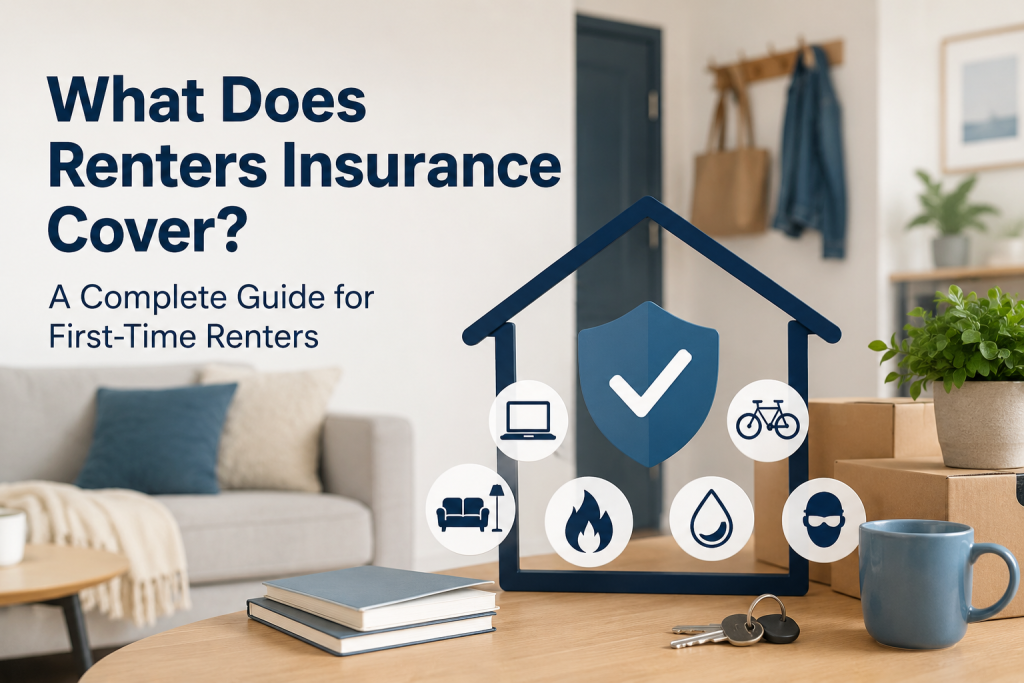
Renting your first apartment is an exciting milestone. Whether you’re moving into a cozy studio or sharing a larger space with roommates, there’s one important step many first-time renters overlook: renters insurance.
A common misconception is that a landlord’s insurance policy protects your belongings. In reality, your landlord’s policy typically covers the building itself—not your furniture, electronics, clothing, or valuables.
That’s where renters insurance comes in. This guide explains what renters insurance covers, what it doesn’t cover, and why it’s one of the smartest investments a new renter can make.
What Is Renters Insurance?
Renters insurance is a policy designed to protect tenants from financial losses related to theft, damage, and liability.
It generally includes three main types of coverage:
- Personal property coverage
- Personal liability coverage
- Additional living expenses (ALE)
For a relatively low monthly premium, renters insurance provides valuable protection and peace of mind. Companies like Lemonade have made renters insurance especially accessible for first-time renters with fast online quotes and simple digital claims.
1. Personal Property Coverage
This is the core part of renters insurance. It helps pay to repair or replace your belongings if they are damaged, destroyed, or stolen due to covered events.
Items Typically Covered
- Furniture
- Clothing
- Laptops and tablets
- TVs and gaming systems
- Kitchen appliances
- Books
- Jewelry (up to policy limits)
- Bicycles
Covered Perils
Most policies protect your belongings against:
- Fire and smoke
- Theft
- Vandalism
- Windstorms
- Certain water damage
- Lightning
- Explosions
Example
If a fire damages your apartment and destroys your sofa, clothes, and laptop, renters insurance can reimburse you for those losses, up to your policy limits.
2. Personal Liability Coverage
Liability coverage protects you if you accidentally cause injury to someone else or damage their property.
Examples of Covered Situations
- A guest slips and falls in your apartment
- You accidentally damage a neighbor’s property
- Your dog bites a visitor (depending on policy terms)
What Liability Coverage Pays For
- Medical expenses
- Legal fees
- Court judgments
- Settlement costs
This coverage can save you from substantial out-of-pocket expenses.
3. Additional Living Expenses (ALE)
If your rental becomes uninhabitable due to a covered event, ALE coverage helps pay for temporary living costs.
Covered Expenses May Include
- Hotel stays
- Restaurant meals
- Laundry services
- Temporary rentals
Example
If a kitchen fire forces you to move out for two weeks, your policy may cover the extra costs you incur during that time.
4. Medical Payments to Others
Many renters insurance policies include limited medical payments coverage. This helps pay small medical bills if a guest is injured in your apartment, regardless of who was at fault.
Examples include:
- Minor cuts
- Sprains
- Emergency room visits
This can often resolve incidents quickly without escalating to a liability claim.
What Renters Insurance Usually Does Not Cover
Understanding exclusions is just as important as understanding coverage.
- Flood Damage: Damage caused by flooding is typically excluded. Separate flood insurance may be required.
- Earthquakes: Earthquake damage usually requires additional coverage.
- Pest Infestations: Damage from bedbugs, termites, or rodents is generally not covered.
- Intentional Damage: Any damage you cause deliberately is excluded.
- Roommate Belongings: Your policy usually covers only your personal property unless your roommate is specifically listed.
Actual Cash Value vs. Replacement Cost
When selecting a policy, you’ll typically choose between two reimbursement options.
- Actual Cash Value (ACV): Pays the depreciated value of your items.
- Replacement Cost Value (RCV): Pays the cost to replace items with new equivalents.
Example
A five-year-old laptop may be worth:
- $300 under ACV
- $900 under RCV
Replacement cost coverage usually offers better protection.
How Much Coverage Do You Need?
Take a home inventory and estimate the total value of your belongings.
Quick Value Estimate
- Furniture: ₹2,00,000+
- Electronics: ₹1,50,000+
- Clothing and shoes: ₹1,00,000+
- Kitchenware: ₹50,000+
Even modest households can easily contain several lakhs worth of personal property.

How Much Does Renters Insurance Cost?
Renters insurance is often surprisingly affordable.
Costs vary based on:
- Coverage amount
- Deductible
- Location
- Claims history
- Optional endorsements
Many renters can obtain solid coverage for the equivalent of a few hundred rupees per month, depending on the insurer and market.
Optional Add-Ons Worth Considering
You may want extra coverage for higher-value items and special risks.
Common Endorsements
- Scheduled jewelry coverage
- Home office equipment
- Identity theft protection
- Water backup coverage
- Earthquake coverage
Is Renters Insurance Required?
Renters insurance is not mandated by law in most places, but many landlords require proof of coverage before move-in. Even when optional, it is a practical safeguard against unexpected losses.
Why First-Time Renters Should Get Covered
First-time renters often underestimate how expensive it would be to replace everything they own.
Consider the cost of replacing:
- Mattress and bed frame
- Laptop and smartphone
- Clothing and shoes
- Kitchen essentials
- Furniture
A single theft or fire can create a major financial setback.
Tips for Choosing the Right Policy
- Compare Coverage, Not Just Price: Review limits, deductibles, and exclusions carefully.
- Choose Replacement Cost Coverage: This offers stronger financial protection.
- Bundle Policies: Combining renters and auto insurance can reduce premiums.
- Document Your Belongings: Keep photos and receipts for valuable items.
- Read Reviews and Claims Experience: Choose an insurer known for responsive claims service.
Frequently Asked Questions
Does renters insurance cover theft outside my apartment?
Many policies cover personal belongings even when stolen from your car, hotel, or while traveling, subject to policy terms.
Does renters insurance cover my laptop?
Yes, laptops are typically covered under personal property coverage.
Are roommates covered?
Usually no, unless they are listed on the policy.
Can my landlord require renters insurance?
Yes, many lease agreements include this requirement.
Final Thoughts
Renters insurance provides essential protection for your belongings, liability, and temporary living expenses after a covered loss.
For first-time renters, it’s a simple and affordable way to protect yourself from costly surprises. Understanding what renters insurance covers helps you choose a policy with confidence and move into your new home with greater peace of mind.