Common Auto Insurance Mistakes That Could Cost Drivers Thousands After an Accident

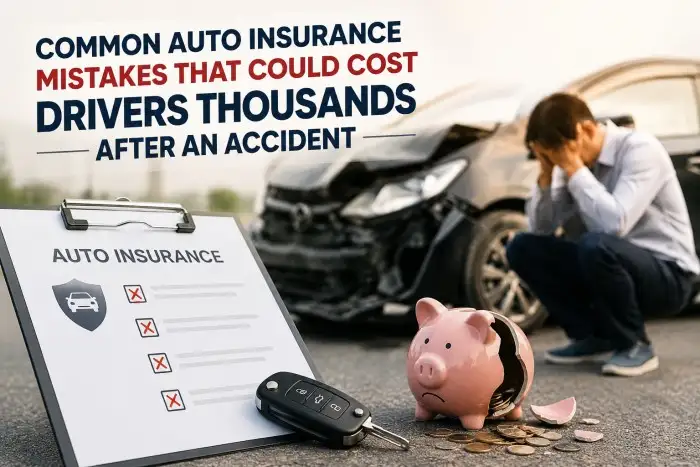
Many drivers assume their auto insurance policy will fully protect them after a crash. Unfortunately, that is not always the case. A single mistake in your insurance coverage can leave you paying thousands of dollars out of pocket for vehicle repairs, medical bills, lawsuits, or lost income.
Auto insurance is supposed to provide financial protection, but only if the policy matches your actual needs. From choosing the wrong coverage limits to ignoring policy updates, small decisions can turn into expensive problems after an accident.
According to reports and coverage insights shared by The Motley Fool Auto Insurance, many drivers underestimate how quickly accident-related costs can rise. Understanding the most common mistakes can help you avoid major financial stress in the future.
Choosing Only Minimum Coverage
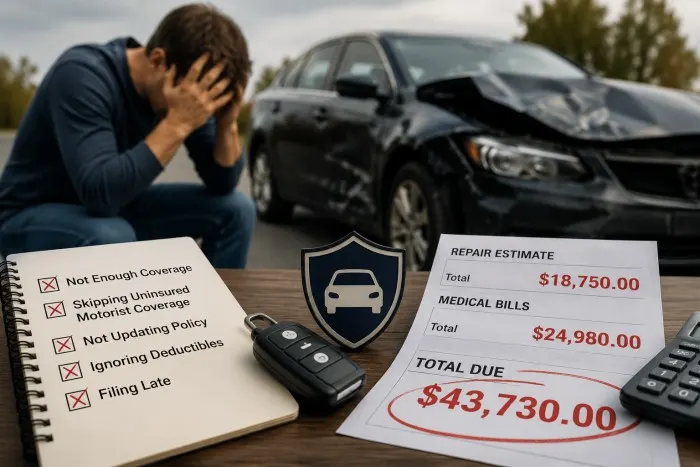
One of the biggest mistakes drivers make is buying only the minimum insurance required by law. While minimum coverage may help you legally drive, it often provides very limited financial protection.
For example, if you cause a serious accident involving multiple vehicles or injuries, minimum liability limits may not be enough to cover all damages. Once the insurance limit is exhausted, you could become personally responsible for the remaining costs.
Medical expenses, legal fees, and repair bills can quickly exceed low coverage limits. A major accident could potentially affect your savings, wages, or assets.
Ignoring Uninsured and Underinsured Motorist Coverage
Not every driver on the road carries adequate insurance. Some drivers have no insurance at all, while others carry only the legal minimum.
If one of these drivers hits your car, uninsured or underinsured motorist coverage can help pay for:
- Medical expenses
- Lost wages
- Vehicle damage
- Pain and suffering in some states
Without this protection, you may end up paying large expenses yourself even when the accident was not your fault.
Setting Deductibles Too High
A high deductible lowers monthly premiums, which may sound attractive initially. However, many drivers choose deductibles they realistically cannot afford during an emergency.
If your deductible is $2,000 and your vehicle suddenly needs repairs after an accident, you must pay that amount before insurance contributes.
Drivers sometimes discover too late that they do not have enough emergency savings to handle their deductible comfortably.
Failing to Review the Policy Regularly
Life changes, and your insurance policy should change too. Many people renew the same policy year after year without reviewing it.
This can create gaps in coverage after:
- Buying a new vehicle
- Moving to another city
- Adding teen drivers
- Starting rideshare driving
- Changing commute distance
- Installing aftermarket modifications
An outdated policy may no longer reflect your current risks or insurance needs.
Not Understanding What the Policy Actually Covers
Some drivers assume their policy covers everything automatically. In reality, many situations may require optional coverage.
For example:
- Flood damage usually requires comprehensive coverage
- Rental reimbursement is often optional
- Roadside assistance may not be included
- Custom accessories may have limited coverage
- Business use may not be covered under personal insurance
Reading only the premium amount while ignoring policy details can lead to unpleasant surprises after an accident.
Delaying Accident Reporting
After a crash, some drivers avoid contacting their insurance company immediately because they fear premium increases. Others believe minor accidents are not worth reporting.
This can become a costly mistake.
Insurance companies often require prompt reporting. Delays may:
- Complicate claim investigations
- Reduce available evidence
- Create disputes over damage timing
- Potentially affect claim approval
Even small accidents should be documented properly with photos, witness information, and official reports when necessary.
Lying or Omitting Information on Applications
Trying to lower insurance costs by providing inaccurate information is extremely risky.
Common examples include:
- Underreporting annual mileage
- Hiding teen drivers
- Using a false garaging address
- Failing to disclose rideshare use
- Misrepresenting vehicle usage
If the insurer discovers false information during a claim investigation, the company could deny coverage entirely or cancel the policy.
Skipping Comprehensive and Collision Coverage on Valuable Cars
Some drivers remove comprehensive or collision coverage to save money without considering the actual value of their vehicle.
While dropping these coverages may make sense for older low-value cars, it can be financially dangerous for:
- Newer vehicles
- Expensive SUVs or trucks
- Luxury cars
- Electric vehicles
- Financed vehicles
Repair costs for modern vehicles are significantly higher today because of advanced sensors, cameras, and electronic systems.
Not Comparing Insurance Rates
Loyalty does not always guarantee better pricing. Many drivers stick with the same insurer for years without comparing rates from competitors.
Insurance pricing changes frequently based on:
- Location
- Driving history
- Age
- Vehicle type
- Credit-based insurance scores in some states
- Claims data
Drivers who never shop around may unknowingly overpay hundreds or even thousands annually.
Forgetting Gap Insurance on Financed Vehicles
New cars depreciate quickly. If your financed car is totaled shortly after purchase, the insurance payout may be lower than the amount still owed on the loan.
Gap insurance covers the difference between:
- The vehicle’s actual cash value
- The remaining loan balance
Without gap coverage, drivers may continue making loan payments on a vehicle they no longer own.
Allowing Coverage to Lapse
Missing payments or letting your policy expire can create serious financial consequences.
A lapse in coverage may lead to:
- Higher future premiums
- License suspension in some states
- Difficulty finding affordable coverage later
- Full financial responsibility after an accident
Even a short lapse can negatively affect insurance history.
Final Thoughts
Auto insurance is more than a legal requirement — it is financial protection that can determine how well you recover after an accident. Many costly insurance mistakes happen because drivers focus only on finding the cheapest premium instead of understanding their actual risks.
Reviewing your coverage regularly, understanding policy details, and choosing realistic protection limits can help prevent major financial losses later. Spending a little more today on proper coverage may save you thousands when an unexpected accident occurs.