What Is Managed App Hosting and Why Is It Ideal for Modern Web Applications?

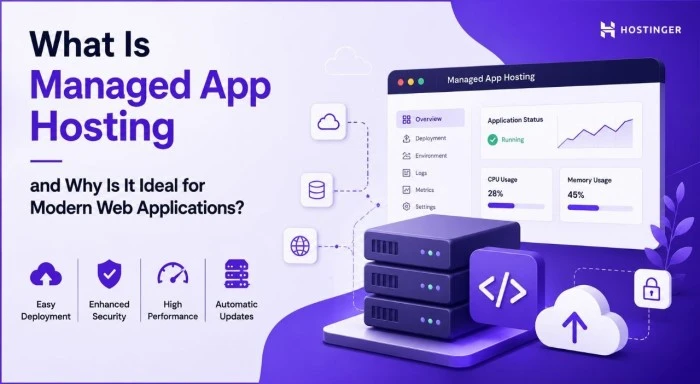
As web applications become more complex and user expectations continue to rise, businesses and developers are looking for hosting solutions that offer performance, reliability, and ease of management. Traditional hosting environments often require significant technical expertise to maintain servers, manage updates, monitor performance, and handle security concerns. This is where managed app hosting has emerged as a valuable solution.
Managed app hosting is designed to simplify the deployment and management of applications while providing the infrastructure and support necessary for modern digital experiences. Whether you’re building a startup platform, an e-commerce application, or a business management tool, managed app hosting can help reduce operational burdens and allow developers to focus on creating better products.
Understanding Managed App Hosting
Managed app hosting is a hosting service where the provider handles many of the technical aspects of running an application. Instead of managing servers, operating systems, security patches, and performance optimization yourself, these responsibilities are largely handled by the hosting provider. This approach allows developers and businesses to spend less time on infrastructure management and more time improving application functionality, user experience, and business growth.
Unlike traditional hosting, where users often have complete responsibility for server maintenance, managed app hosting offers a more hands-off experience while still delivering the resources needed to run modern applications efficiently.
Why Modern Applications Need More Than Basic Hosting
Today’s web applications are far more demanding than simple websites. Many applications process large amounts of data, support real-time interactions, integrate with third-party services, and serve users across multiple locations.
These requirements place greater pressure on hosting environments. Performance issues, downtime, or security vulnerabilities can negatively impact both users and businesses. Managed app hosting addresses these challenges by providing optimized infrastructure specifically designed to support dynamic applications and changing workloads.
Improved Performance and Reliability
Performance is one of the most important factors influencing user satisfaction. Slow-loading applications can frustrate users and increase abandonment rates. Managed app hosting providers typically optimize server configurations, caching systems, and network resources to improve speed and responsiveness. Many services also include content delivery networks (CDNs), load balancing, and automated performance monitoring.
These features help ensure applications remain responsive even during periods of high traffic. Reliability is equally important. Managed hosting environments often include redundancy and automated failover systems that minimize downtime and maintain service availability.
Enhanced Security Features
Cybersecurity remains a major concern for organizations of all sizes. Data breaches, malware attacks, and unauthorized access can result in financial losses and reputational damage.
Managed app hosting providers typically offer multiple layers of security protection, including:
- Automatic software updates
- Security patch management
- Firewall protection
- Malware scanning
- Backup and recovery systems
- SSL certificate management
These features help reduce vulnerabilities and provide stronger protection without requiring extensive security expertise from application owners.
Simplified Scalability
One of the greatest advantages of managed app hosting is scalability. As applications grow, resource requirements often change rapidly. Traditional hosting environments may require manual upgrades or complex server migrations to accommodate increased traffic. Managed hosting solutions are often designed to scale more efficiently, allowing businesses to adjust resources based on demand.
This flexibility is particularly valuable for startups, seasonal businesses, and applications experiencing rapid growth. Many developers exploring scalable hosting solutions compare providers such as hostinger when evaluating managed hosting options. Services offered by hostinger and similar providers often focus on simplifying deployment, resource management, and application scalability for growing businesses.
Automatic Maintenance and Updates
Managing software updates and server maintenance can consume significant time and resources. Neglecting these tasks may expose applications to performance issues or security risks. Managed app hosting providers handle many routine maintenance responsibilities automatically. This includes updating operating systems, applying security patches, and monitoring server health. By automating these processes, businesses can reduce administrative workloads while maintaining a stable hosting environment.

Better Support for Developers
Modern development teams often work with frameworks, APIs, containers, and deployment pipelines. Managed hosting environments are increasingly designed to support these workflows.
Many providers offer features such as:
- One-click deployments
- Git integration
- Staging environments
- Automated backups
- Monitoring dashboards
- Development-friendly tools
These capabilities streamline the development process and make it easier to deploy updates efficiently.
Cost Efficiency for Growing Businesses
While managed app hosting may appear more expensive than some basic hosting plans, the overall value often outweighs the additional cost. Organizations save time by reducing infrastructure management responsibilities and minimizing the need for dedicated server administration. Improved uptime, security, and performance can also help prevent costly disruptions. For many businesses, the combination of operational efficiency and reduced technical overhead makes managed hosting a cost-effective solution.
Conclusion
Managed app hosting has become an increasingly popular choice for businesses and developers building modern web applications. By handling critical tasks such as server management, security updates, performance optimization, and scalability, managed hosting allows teams to focus on innovation rather than infrastructure.
As web applications continue to evolve and user expectations grow, managed app hosting provides the reliability, flexibility, and support necessary to deliver exceptional digital experiences. For organizations seeking a simpler and more efficient way to run applications, managed hosting offers a practical solution that aligns with the demands of today’s technology landscape.