Essential Baking Ingredients Every Home Baker Should Keep in the Kitchen

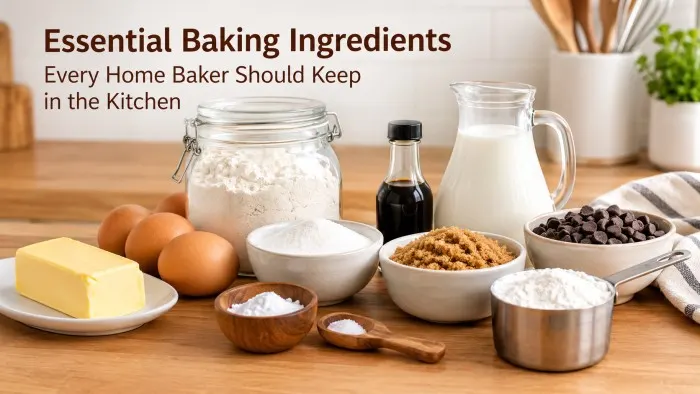
Baking at home can be a rewarding experience, whether you enjoy preparing homemade bread, soft cookies, delicious cakes, or simple pastries. Having the right baking ingredients available makes the process easier, saves time, and allows you to experiment with different recipes whenever inspiration strikes. A well-stocked kitchen does not require dozens of expensive products. Instead, keeping a selection of versatile essentials ensures you are prepared for everyday baking projects and special occasions.
Flour: The Foundation of Most Baking Recipes
Flour is one of the most important items in any baker’s kitchen. It provides structure and texture to cakes, biscuits, bread, and pastries. All-purpose flour is particularly useful because it works well in a wide variety of recipes.
Self-raising flour is another convenient option, especially for preparing cakes, muffins, and scones. Bread flour contains more protein, making it suitable for recipes that require stronger gluten development, such as yeast bread and pizza dough. Whole wheat flour can add fibre and a slightly nutty flavour to baked goods. Store flour in an airtight container in a cool, dry place to maintain freshness and protect it from moisture.
Sugar: Adding Sweetness and Texture
Sugar does more than make baked goods taste sweet. It also contributes to browning, moisture retention, and texture. Different varieties produce different results, so keeping a few options available can improve your baking flexibility.
Granulated sugar works well in everyday recipes, while caster sugar dissolves easily and is commonly used in cakes and delicate desserts. Brown sugar contains molasses, giving cookies and cakes a richer flavour and softer texture. Icing sugar is useful for preparing frosting, glazes, and decorative finishes. Choose the type recommended in your recipe because replacing one variety with another can affect the final result.
Baking Powder and Baking Soda: Essential Raising Agents
Baking powder and baking soda help many baked goods rise, creating a lighter texture. Although they serve similar purposes, they work differently and are not always interchangeable. Baking powder contains ingredients that produce carbon dioxide when activated by moisture and heat. It is commonly used in cakes, muffins, and quick breads.
Baking soda requires an acidic ingredient, such as buttermilk, yoghurt, or lemon juice, to react effectively. It is often used in cookies, pancakes, and certain cake recipes. Check expiration dates regularly because older raising agents may lose effectiveness, resulting in dense or poorly risen baked goods.
Butter and Cooking Oils for Richness
Fats play an important role in creating flavour, tenderness, and moisture. Butter is a popular choice for cakes, cookies, pastries, and shortbread because of its rich taste and ability to create desirable textures. Unsalted butter gives bakers greater control over the amount of salt in a recipe. Vegetable oil and other neutral-flavoured oils are useful for cakes and muffins that benefit from a soft, moist texture.
When shopping for everyday kitchen essentials, Ocado provides access to a variety of grocery products that can support different baking needs. Keeping suitable fats available allows you to prepare both traditional and modern recipes.
Eggs: Supporting Structure and Moisture
Eggs are frequently used in baking because they help bind ingredients, contribute moisture, and provide structure. They also support colour and texture in cakes, brownies, biscuits, and pastries. Some recipes require whole eggs, while others use separated yolks or whites. Egg yolks contribute richness, while whipped egg whites can help create airy textures in certain desserts.
Always follow the recipe’s instructions regarding egg size and temperature. For people avoiding eggs, alternatives such as mashed banana, applesauce, or commercial egg replacers may work in selected recipes, although results can vary.
Milk and Other Dairy Essentials
Milk adds moisture and contributes to flavour, texture, and browning. It is commonly used in cakes, pancakes, bread, and homemade desserts. Buttermilk is especially useful in recipes that require a tender crumb and a mild tangy flavour. Yoghurt and sour cream can also add richness and moisture to cakes and muffins. Plant-based alternatives, including oat, soy, and almond drinks, may work in many recipes. However, their different protein and fat contents can influence the final texture, so choose substitutions carefully.
Vanilla, Cocoa, and Everyday Flavourings
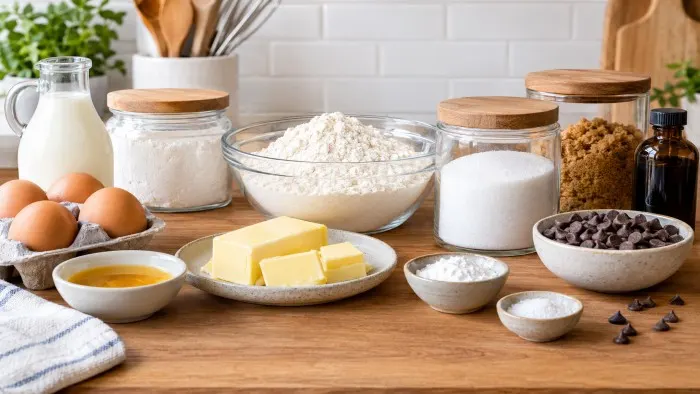
A small collection of flavouring ingredients can make homemade treats more interesting. Vanilla extract is widely used in cakes, cookies, and desserts because it complements many sweet flavours. Cocoa powder is essential for chocolate cakes, brownies, and biscuits. Cinnamon, nutmeg, and ground ginger are useful for adding warmth to seasonal recipes.
Lemon zest, orange zest, and chocolate chips can also enhance simple baked goods. Keeping a few favourite flavourings available makes it easier to create variety without purchasing special ingredients for every recipe.
Salt and Other Useful Pantry Staples
Salt is often overlooked in sweet baking, but it helps balance flavours and enhances the taste of other ingredients. Even a small amount can make a noticeable difference in cakes and cookies. Other useful pantry staples include oats, honey, golden syrup, dried fruit, nuts, and baking chocolate. These ingredients can add texture and flavour to homemade treats. Choose items that match the recipes you prepare most frequently rather than filling cupboards with products you rarely use.
Organise Your Baking Supplies for Better Results
Keeping your kitchen organised makes baking more efficient. Store dry ingredients in clearly labelled airtight containers, check expiration dates, and keep frequently used products within easy reach.
A practical baking pantry should include versatile essentials that support a wide range of recipes. By maintaining fresh supplies and choosing quality ingredients, home bakers can prepare delicious treats with greater confidence, reduce unnecessary shopping trips, and enjoy a smoother baking experience.