Peak vs Nominal Watts: What E-Bike Riders Really Need to Know


When shopping for an electric bike, motor power is one of the first numbers riders notice. Yet the way that power is advertised can be confusing. Understanding Peak vs Nominal Watts helps you compare bikes more accurately and choose a model that matches your real-world needs instead of being swayed by the biggest headline figure.
What Nominal Watts Mean
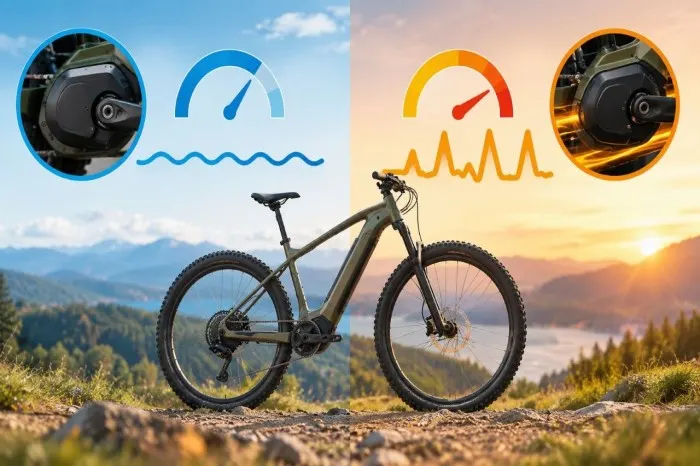
Nominal watts, also called continuous or rated power, describe the motor’s sustainable output. This is the level of power the motor can deliver for extended periods without overheating or reducing performance. In many regions, legal e-bike classifications are based on nominal power—commonly 250W, 500W, or 750W depending on local rules.
Nominal power gives a realistic picture of how the bike will perform on longer rides, steady climbs, and daily commuting. A motor with a higher nominal rating can generally maintain assistance more consistently under load.
What Peak Watts Mean
Peak watts refer to the maximum power the motor can produce in short bursts. This extra output is useful for quick acceleration from a stop, short steep hills, or sudden needs for more torque. Peak figures are often significantly higher than nominal ratings—sometimes two or three times as much.
Manufacturers highlight peak watts because the number looks impressive. While peak power has real benefits in specific moments, it is not the power level the motor can sustain indefinitely. Relying only on the peak number can lead riders to overestimate everyday performance.
Why the Difference Matters on the Road
On flat ground or gentle rolling terrain, the gap between peak and nominal power may feel minor. The distinction becomes clearer on hills, with cargo, or into headwinds. A bike that advertises high peak watts but has a modest nominal rating may feel strong for a few seconds and then settle into noticeably lower assistance as the motor protects itself from overheating.
Conversely, a motor with solid nominal power and a reasonable peak rating often feels more predictable. It delivers steady help when you need it for minutes at a time rather than only in brief spikes. For commuting, touring, or riders who face regular inclines, sustained power usually matters more than the highest possible burst.
Legal and Practical Considerations
Regulations in many places limit e-bikes according to continuous power and top assisted speed. A bike marketed with very high peak watts may still be legal if its nominal output stays within the allowed threshold. Always check the nominal (continuous) rating when evaluating compliance in your area.
Battery life and motor longevity are also affected. Frequent use of peak power draws more current and generates more heat. Quality systems manage this with thermal protection, but consistent heavy demand on peak output can reduce range and, over time, stress components more than riding primarily within the nominal range.
How to Compare Bikes More Effectively
Look past the single biggest number on the spec sheet. Useful questions include:
- What is the continuous or nominal power rating?
- How long can the motor sustain near-peak output before tapering?
- What torque figure is listed (torque often correlates better with climbing feel than watts alone)?
- How do real riders describe hill performance and heat management?
Torque, measured in Newton-meters (Nm), is especially informative. Two motors with similar watt ratings can feel very different if one produces substantially more torque. Actbestbike designs e-bikes with clear attention to usable power delivery, helping riders focus on practical performance rather than inflated peak numbers alone.
Matching Power to Your Riding Style
Casual neighborhood riders and flat-terrain commuters may be well served by moderate nominal power and modest peak assistance. Riders who climb regularly, carry loads, or want stronger acceleration will benefit from higher continuous ratings and robust thermal design. In every case, the combination of nominal power, torque, battery capacity, and overall bike weight determines how the bike actually feels.
Test rides remain the best way to evaluate the difference. Pay attention to how the motor responds when you first push hard and how it behaves after several minutes of sustained effort. That experience often reveals more than any single wattage claim.
Final Thoughts
Peak watts describe short-term capability; nominal watts describe what the motor can deliver reliably over time. Both numbers have value, but nominal power generally offers the clearer guide to everyday riding performance. By understanding the distinction, e-bike buyers can avoid marketing exaggeration and select a motor that matches their routes, cargo needs, and expectations for consistent assistance. The result is a more satisfying bike that feels strong when it counts—and stays strong for the whole ride.