Kids’ Eyeglasses for Every Age: Finding the Right Frames for Toddlers, Children, and Tweens

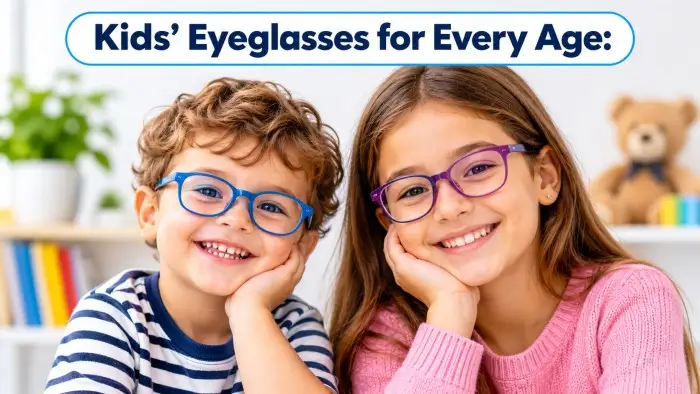
Choosing Kids’ Eyeglasses involves more than picking a colourful frame or a design your child likes. The right pair should fit comfortably, support clear vision, and withstand the demands of everyday activities. Toddlers need secure frames that stay in place, school-age children benefit from durable designs, and tweens often want styles that reflect their growing independence. Understanding how children’s needs change with age can make the selection process easier for parents.
Choosing Eyeglasses for Toddlers
Toddlers are naturally active, curious, and constantly exploring their surroundings. Their glasses need to be comfortable, flexible, and secure enough to stay in place during play. Frames that are too heavy, loose, or poorly fitted may slide down the nose or create pressure behind the ears. Lightweight materials such as flexible plastic and certain rubber-based designs can be practical options.
Soft, adjustable nose bridges and flexible temples may also help improve comfort. Some toddler frames include wraparound designs or head straps to provide additional stability. Parents should prioritise fit over appearance. The frames should sit securely without pinching the nose, pressing against the temples, or touching the cheeks when the child smiles. A proper fit from an optician is especially important because toddlers’ facial features are still developing.
Finding the Right Frames for Preschool and Young Children
Children between preschool and early primary-school ages often become more independent. They may begin putting on and removing their glasses themselves, so choosing a manageable design is important. Durable plastic frames are popular because they are generally lightweight and available in many colours and shapes. Flexible hinges can be useful for children who frequently handle their glasses, although no frame is completely damage-proof.
Parents can involve children in choosing colours or patterns while keeping practical requirements in mind. Bright colours, favourite shapes, or simple patterns can make glasses feel more exciting. However, the frames should not be so large that they slide down or interfere with the child’s vision.
Selecting Eyeglasses for Primary-School Children
School-age children use their glasses in several environments, including classrooms, playgrounds, sports activities, and family outings. Their frames should be comfortable enough for extended wear and sturdy enough for everyday movement.
A well-fitted frame should remain stable when a child looks down to read, turns their head, or participates in classroom activities. Lightweight materials can reduce pressure during long school days, while spring or flexible hinges may help frames tolerate regular handling.
Parents should also consider lens requirements. Children who spend time outdoors may benefit from lenses with appropriate UV protection, while those involved in sports may need specialist protective eyewear. Ordinary prescription glasses should not be assumed to provide adequate protection during contact sports.
Helping Tweens Choose Frames That Reflect Their Style
Tweens often want greater control over their appearance. They may prefer frames that look similar to those worn by older siblings, friends, or adults. Giving them a say in the selection process can make them more comfortable and confident about wearing glasses.
Classic rectangular frames, rounded styles, subtle transparent designs, and colourful options can all work well, depending on face shape and personal preference. The most important consideration is that the frame fits properly and remains comfortable throughout the day.
At this age, children may also become more responsible for caring for their glasses. Parents can encourage simple habits such as using a protective case, cleaning lenses with a suitable cloth, and avoiding placing glasses face down on hard surfaces.
Choosing the Right Frame Material
Frame material affects comfort, flexibility, weight, and durability. Different materials suit different needs, so parents should compare options rather than choosing based on appearance alone.
- Flexible plastic: Often lightweight and available in child-friendly colours and shapes.
- TR-90 or similar flexible materials: Designed to offer flexibility and reduced weight, depending on the specific frame.
- Metal frames: Can provide a slim appearance, but adjustable nose pads and proper sizing are important for children’s comfort.
- Rubberised materials: May offer a soft feel and useful grip for younger children.
No material is indestructible. Children should still be taught to remove glasses with both hands and store them safely when not in use.
Make Sure the Frames Fit Properly
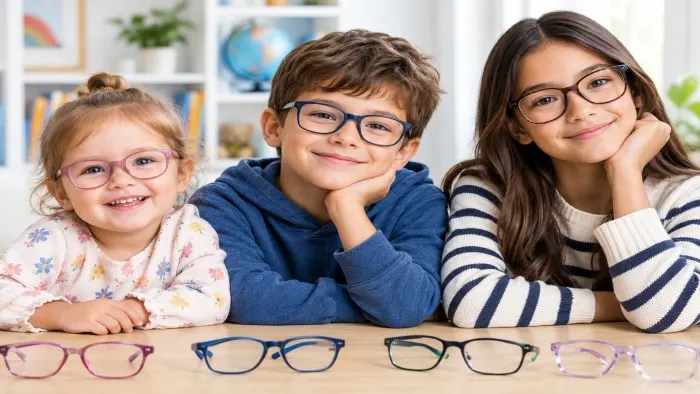
A good fit is essential for both comfort and effective vision correction. Frames should align appropriately with the child’s eyes, sit securely on the nose, and avoid unnecessary pressure around the ears.
The lenses should be positioned correctly in front of the eyes according to the prescription and fitting measurements. Frames that are too wide may slip, while narrow frames can feel uncomfortable. Parents should avoid buying oversized glasses simply because a child is expected to grow into them.
Retailers such as Zennioptical offer a variety of children’s frame styles and sizes, but parents should still check measurements carefully and follow the eye-care professional’s recommendations.
Consider Lens Safety and Everyday Care
Children’s lenses need to suit their prescription, daily activities, and individual vision requirements. Polycarbonate or other impact-resistant lens materials may be recommended for children because they offer useful impact protection and are generally lightweight.
Scratch-resistant coatings can help reduce everyday surface marks, while anti-reflective coatings may improve visual comfort in certain situations. An eye-care professional can explain which options are appropriate. Regular cleaning is also important. Use a lens-safe cleaning solution and a microfibre cloth rather than clothing or paper towels, which may scratch lenses. Keep glasses in a protective case when they are not being worn.
Finding Frames That Grow with Confidence
The best eyeglasses for children combine a secure fit, comfortable materials, suitable lenses, and a style they enjoy wearing. Toddlers need extra stability, younger children benefit from practical and durable designs, and tweens may appreciate more opportunities to express their personalities. By considering age, activity level, prescription needs, and professional fitting advice, parents can help children feel comfortable and confident in their glasses.