Fat Tire vs Regular Electric Bikes: Which One Should You Choose?

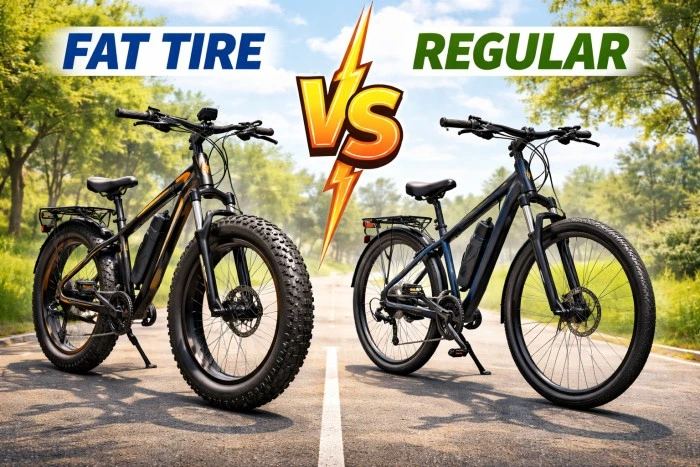
Electric bikes are everywhere in 2026—from California commuters dodging traffic to Colorado trail riders chasing mountain views. But one big question keeps coming up: fat tire or regular tire? Fat tire e-bikes feature wide, chunky tires (3–5 inches), while regular e-bikes use standard narrower tires (1.5–2.5 inches). Both give you pedal-assist power, but they shine in totally different situations. If you ride city streets, snowy Midwest winters, sandy Florida beaches, or rocky national park trails, the right choice saves money and frustration. Let’s break it down so you can pick the perfect ride for your American lifestyle—no hype, just facts.
Fat Tire E-Bikes: Built for Tough Terrain and All-Weather Adventures
Fat tires spread your weight over a bigger surface, giving incredible traction on sand, snow, mud, or loose gravel. You feel stable even at low speeds, which is why they dominate beach rides in Miami or winter paths in Minnesota. The extra cushion absorbs bumps, making rough trails feel smoother than a regular bike. Top speed is usually 20–28 mph with 750W–1500W motors, and the big tires add extra stability when carrying gear or passengers. Downside? They’re heavier (60–80 lbs) and roll slower on smooth pavement, so you use more battery on city streets. Perfect for off-road enthusiasts who want one bike that handles everything Mother Nature throws at them.
Regular Tire E-Bikes: Lightweight, Fast, and City-Friendly
Regular tire e-bikes are lighter (40–60 lbs) and roll faster on pavement, bike lanes, and smooth trails. Their narrower tires cut through the air with less drag, giving you better range (up to 75 miles per charge) and quicker acceleration for commuting in New York or Chicago. They’re easier to store in small apartments or lift onto car racks. The trade-off? Less grip on loose surfaces—snow, sand, or wet mud can feel slippery. If most of your riding is on paved roads or groomed paths, a regular tire model keeps you moving efficiently without extra weight or drag.
Traction and Stability: Fat Tires Win in Rough Conditions
On sand or snow, fat tires float instead of sink, letting you ride where regular tires would spin out. In rocky Colorado trails or muddy Appalachian paths, the wide contact patch keeps you upright and confident. Regular tires excel on asphalt and concrete, offering nimble handling for tight turns in urban traffic. If you mix pavement and off-road, fat tires give more forgiveness; pure commuters love the agility of regular tires.
Speed, Range, and Battery Life
Regular tire e-bikes usually go farther on a single charge because they face less rolling resistance. Fat tire models burn more battery on pavement but shine when you need low-speed torque for hills or sand. Both types hit the same legal 20 mph Class 1/2 limits, but fat tires feel more planted at speed on uneven ground. For long-distance road rides across Texas or Florida, regular tires save you recharging stops.
Weight, Portability, and Everyday Practicality
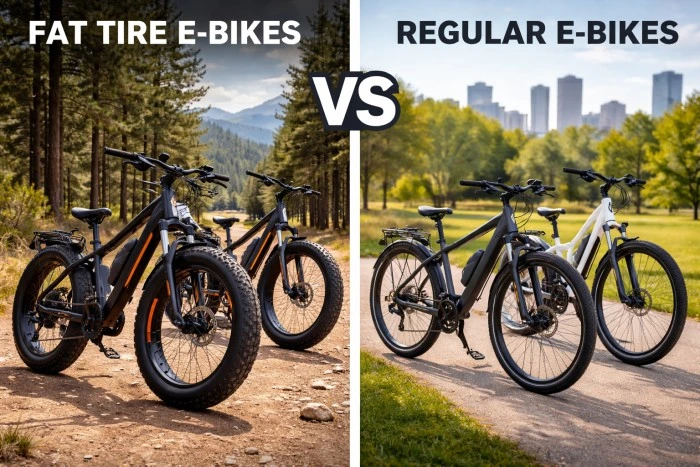
Regular e-bikes are easier to carry upstairs, fit in smaller cars, and maneuver in crowded bike racks. Fat tire bikes feel tank-like but handle heavy loads better—great for grocery runs or camping gear in the Pacific Northwest. If you live in a walk-up apartment or travel often, regular tires win for portability.
Price and Maintenance
Fat tire e-bikes cost $100–$300 more due to bigger components, but they need less maintenance on rough terrain because the tires absorb shocks. Regular tires wear faster on pavement but are cheaper to replace. Both require basic chain cleaning and battery care.
Who Should Choose Fat Tires?
Pick fat tires if you ride beaches, snow, dirt trails, or want maximum stability. Outdoor adventurers in Utah, beach riders in California, or winter commuters in the Northeast will love the grip. Actbestbike offers solid full-suspension fat tire models that handle these conditions without breaking the bank.
Who Should Choose Regular Tires?
Go regular if your rides are mostly paved roads, bike paths, or daily commutes. City dwellers in Boston, Atlanta, or Seattle save weight, money, and battery life.
Final Verdict: Match the Bike to Your Life
There’s no universal winner—only the right bike for your terrain and habits. Test ride both at local shops or rental spots. Most riders keep one of each for different seasons. Whichever you choose, an e-bike gets you outside more and cuts gas costs. Ride smart, stay safe, and enjoy the journey.