From Hairballs to Digestion: Understanding Different Types of Cat Health Supplements


Cats are generally good at maintaining their own grooming and hygiene, but certain health concerns may benefit from additional nutritional support. Cat health supplements are available in many forms and are designed to support areas such as digestion, hairball management, joints, skin, coat condition, and overall wellbeing.
Understanding the different types of supplements can help cat owners identify what may be suitable for their pet while avoiding unnecessary products.
Hairball Supplements
Hairballs are a common concern, particularly among cats that spend considerable time grooming themselves. During grooming, loose hair can be swallowed and may accumulate in the digestive tract.
Hairball supplements are often formulated to help swallowed hair pass more easily through the digestive system. Some contain ingredients that support digestive movement or provide additional fibre. These products may be available as pastes, chews, powders, or treats.
Regular grooming can also help reduce the amount of loose hair a cat swallows, making it an important part of hairball management.
Digestive Health Supplements
A healthy digestive system plays an important role in a cat’s overall wellbeing. Digestive supplements may contain ingredients such as prebiotics, probiotics, fibre, or other nutritional components intended to support normal digestion.
Probiotics are live microorganisms that can help maintain a balanced intestinal environment. Fibre-based products may support normal bowel movements, while other formulations can be designed for cats with occasional digestive sensitivity.
If a cat experiences persistent vomiting, diarrhoea, constipation, weight loss, or changes in appetite, supplements should not replace veterinary advice.
Joint and Mobility Supplements
Joint supplements are commonly considered for older cats or cats showing changes in mobility. Ingredients such as glucosamine and chondroitin are frequently found in products intended to support normal joint function.
Some formulations also contain omega-3 fatty acids or other nutritional ingredients. However, the suitability of a joint supplement can depend on a cat’s age, diet, weight, and existing health conditions.
Skin and Coat Supplements
A cat’s skin and coat can provide visible signs of overall nutritional wellbeing. Supplements designed for skin and coat support may contain omega-3 and omega-6 fatty acids, vitamins, or other nutrients.
These products may be considered when a cat has a dull-looking coat or requires additional nutritional support. However, persistent itching, excessive shedding, bald patches, redness, or skin irritation should be discussed with a veterinarian because these symptoms can have many causes.
Calming Supplements
Some cats can become unsettled by changes in their surroundings, travel, visitors, loud noises, or changes to household routines. Calming supplements may contain ingredients intended to support relaxation without being used as a substitute for appropriate behavioural care.
Before choosing one, it is useful to understand what is causing the stress. Providing hiding spaces, maintaining familiar routines, and creating a quiet environment can also help cats feel more secure.
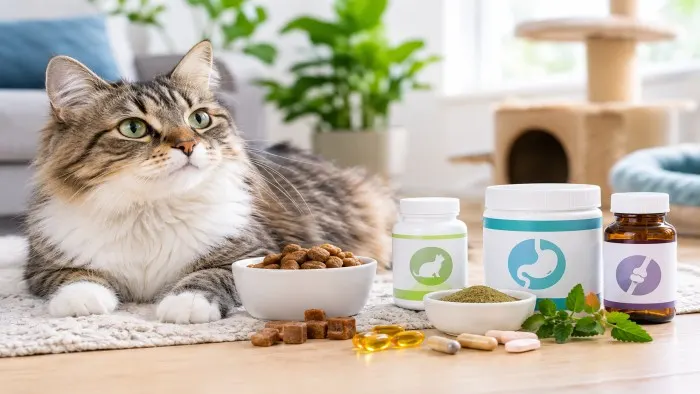
Multivitamins and General Supplements
Some products are designed to provide additional vitamins and minerals as part of a cat’s diet. However, a complete and balanced commercial cat food will usually provide the essential nutrients a healthy cat needs.
For this reason, adding multiple supplements without a specific reason may not be beneficial. Products available through retailers such as Ocado can vary considerably in their ingredients, format, and intended purpose, so checking the product information is important.
How to Choose a Cat Supplement
The right supplement depends on the individual cat and the reason for considering supplementation. Before purchasing a product, check its intended use, ingredients, feeding instructions, age recommendations, and storage requirements.
It is also important to consider the cat’s existing diet. Combining several products can sometimes result in unnecessary duplication of certain nutrients.
For cats with an existing medical condition, those taking medication, kittens, pregnant cats, or elderly pets, veterinary guidance can be particularly valuable before introducing a new supplement.
Supplements Should Complement Good Everyday Care
Cat supplements can provide targeted nutritional support for concerns such as hairballs, digestion, joints, skin, coat condition, or occasional stress. However, they work best as part of broader everyday care that includes appropriate nutrition, fresh water, grooming, exercise, regular health checks, and a suitable home environment.
Choosing a supplement based on a specific need rather than simply adding products to a cat’s routine can help keep supplementation practical and appropriate.