How to Choose the Best Sunglasses for Hiking and Mountain Trails


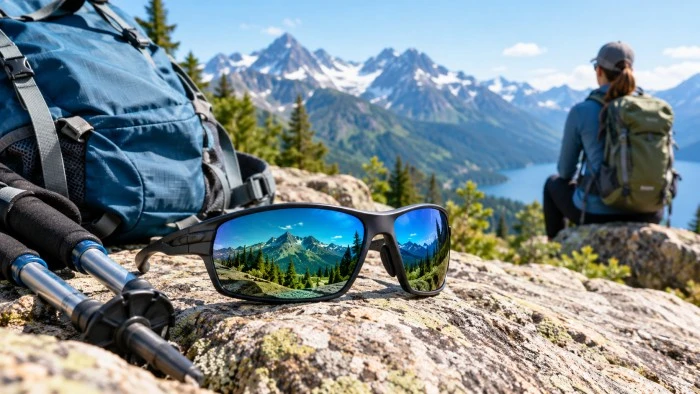
Choosing the right sunglasses for hiking and mountain adventures is about more than finding a stylish pair. Hiking trails can expose your eyes to intense sunlight, glare, wind, dust, and changing weather conditions. The right sunglasses should provide reliable UV protection, comfortable coverage, and a secure fit so you can focus on the trail instead of adjusting your eyewear.
Look for Strong UV Protection
UV protection should be your first consideration when selecting sunglasses for outdoor activities. At higher elevations, sunlight can feel particularly intense, and prolonged exposure to ultraviolet rays can be harmful to your eyes.
Choose sunglasses that offer 100% UVA and UVB protection. Look for labels indicating UV400 protection, which means the lenses block ultraviolet wavelengths up to 400 nanometers. This feature is important whether you are hiking on a sunny summer trail, exploring rocky mountain paths, or spending a long day outdoors.
Choose Lenses That Match Your Environment
Different hiking environments can create different visual challenges. Lens color and technology can influence how clearly you see changes in terrain, shadows, and bright surfaces. Gray lenses are a versatile option because they reduce overall brightness while maintaining relatively natural color perception. Brown or amber lenses can improve contrast, making them useful when hiking through areas with changing light conditions.
For snowy mountain trails, polarized lenses can be especially helpful. They reduce reflected glare from surfaces such as snow, water, and wet rocks. This can make the surroundings more comfortable to view and may help reduce eye strain during long hikes.
Consider Polarized Lenses
Glare can become a major problem on mountain trails, especially around lakes, snowfields, and exposed rocky areas. Polarized lenses are designed to reduce certain types of reflected light, helping create a clearer and more comfortable view.
However, polarization is not the only feature to consider. If you regularly use digital devices or rely on certain displays while navigating, remember that some screens can be harder to view through polarized lenses. Think about your typical hiking environment before making your choice.
Prioritize a Secure and Comfortable Fit
A pair of sunglasses that constantly slides down your nose is not practical on a challenging trail. Hiking often involves walking uphill, bending, climbing, and moving over uneven terrain, so your eyewear should remain comfortably in place.
Look for lightweight frames with well-designed nose pads and temples that fit securely without creating excessive pressure. Wraparound or slightly curved frames can provide additional coverage and help reduce light entering from the sides. Your sunglasses should feel secure but not painfully tight. A comfortable fit becomes especially important when you plan to wear them for several hours.
Choose Durable Frame Materials
Mountain trails can be demanding on outdoor gear. Sunglasses may be dropped on rocks, placed inside a backpack, or exposed to dust and changing temperatures. Durable frame materials can help your eyewear handle regular outdoor use.
Lightweight materials such as nylon-based plastics or flexible polymers can offer a useful combination of comfort and durability. If you frequently hike challenging trails, consider frames designed to withstand active use rather than choosing a pair based solely on appearance.
Think About Lens Coverage
Large lenses can provide better protection from wind, dust, and peripheral sunlight. This can be particularly useful when hiking in exposed mountain areas where there is little natural shelter. Wraparound designs can offer additional side coverage, while larger rectangular or rounded lenses can provide a broader field of protection without completely enclosing the face. Your choice should balance coverage, comfort, and personal style.
Check Visibility in Changing Weather
Mountain weather can change quickly. Bright sunshine may be followed by cloud cover, fog, or light rain. Very dark lenses may not always be suitable when visibility drops. If you frequently hike in areas with changing conditions, consider lenses that provide good clarity without becoming excessively dark. Photochromic lenses can also be useful for people who move between different light environments because they adjust their tint according to available light.
When browsing outdoor eyewear options, Zennioptical can be one source to explore different frame shapes, lens options, and features that suit active lifestyles. Comparing several designs can make it easier to find a pair that balances protection with everyday comfort.
Consider Your Hiking Routine
The best sunglasses depend on how and where you hike. A casual trail walker may prioritize lightweight frames and everyday UV protection, while someone who regularly hikes at high elevations may want polarized lenses, greater side coverage, and more durable construction.
Think about the terrain, typical weather, hiking duration, and amount of direct sunlight you encounter. If you wear prescription glasses, prescription-compatible sunglasses can also eliminate the need to switch between regular eyewear and sun protection.
Keep Your Sunglasses Protected
Even durable sunglasses need proper care. Carry them in a protective case when they are not being worn, particularly when traveling to and from the trail. Avoid placing lenses directly against rough surfaces, as small scratches can affect visibility. Clean lenses with a microfiber cloth and appropriate lens cleaner rather than using clothing or tissues. Keeping your sunglasses clean and protected can help preserve their performance for many hiking trips.
The ideal hiking sunglasses combine UV protection, comfortable fit, durable construction, suitable lenses, and sufficient coverage. By considering your trail conditions and personal needs before buying, you can choose eyewear that keeps your eyes protected and your vision comfortable throughout your mountain adventures.