Moped-Style E-Bikes vs Traditional Electric Bikes: Which One Is Right for You?


Pedal into the Future of American Commuting
Hey, road rebels! In 2026, with gas prices hovering at $4.50/gallon and urban traffic snarling cities like LA and NYC, e-bikes are exploding—over 1 million sold yearly in the US (per Statista). But which type fits your vibe: the moped-style e-bike with its throttle-twist thrill, or the classic pedal-assist traditional? Actbestbike.com offers killer options in both, blending affordability (under $800) with US-road-ready durability.
Whether you’re dodging potholes in Chicago or cruising suburbs in Atlanta, this showdown breaks down designs, perks, and pitfalls to help you pick the pedal partner that powers your lifestyle. Let’s rev up and compare!
Moped-Style E-Bikes: The Throttle-Driven Urban Cruiser
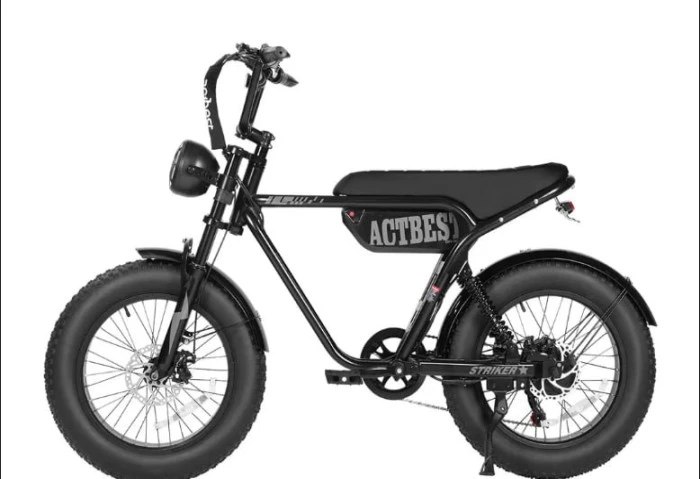
Picture a Vespa’s sleek lines on two fat tires—moped-style e-bikes mimic scooters with upright handlebars, enclosed chains, and pedal-less throttle control for effortless zips up to 28mph. Brands like Actbest emphasize foldable frames for apartment dwellers, with 750W motors tackling hills in San Francisco.
Range hits 40-60 miles on a single charge, ideal for quick errands or beach runs in Miami. In 2026, Class 2/3 models comply with US e-bike laws (no license needed under 750W), but their moped flair turns heads—think integrated lights and cargo racks for grocery hauls. They’re not just bikes; they’re stylish escapes from gridlock, perfect for city slickers craving speed without sweat.
Traditional Electric Bikes: The Pedal-Assist Classic for All-Day Exploration
Traditional e-bikes feel like your trusty mountain bike on steroids—slim frames, drop or flat bars, and pedal-assist modes that kick in up to 20mph (Class 1/2 limits). With 250-500W motors, they encourage exercise while extending range to 50-80 miles, suiting long hauls like cross-country tours from Seattle to Portland.
Suspension forks absorb bumps on gravel paths in Colorado, and lightweight alloys (under 50lbs) make them nimble for trails or commutes. In 2026, smart integrations like app connectivity track rides via Strava, appealing to fitness-focused Americans. These workhorses blend utility with adventure, from daily office pedals in Boston to weekend escapes in the Smokies.
Key Differences: Design, Power, and Practicality Breakdown
Design-wise, moped-styles boast scooter ergonomics—higher seats for traffic visibility, enclosed drivetrains for low maintenance—while traditionals mimic road/mountain bikes with adjustable fits for varied riders. Power favors moped’s throttle for instant torque (great for stop-go urban chaos), versus traditional’s five-level assist that rewards pedaling for calorie burn. Speed? Moped hits 28mph for quicker jaunts; traditional caps at 20mph for eco-friendly cruising.
Range and battery? Similar (40-80 miles), but moped’s larger packs suit short bursts, while traditional’s efficiency shines on marathons. Price tags: Moped $600-1,000; traditional $500-900. In the US, moped’s Class 3 status requires helmets in some states, but both dodge car lanes. Choose based on your terrain—moped for concrete jungles, traditional for open roads.
Pros and Cons: Weighing the Trade-Offs for Your Ride
Moped pros: Zero-effort throttle for bad-weather commutes, eye-catching style for Instagram flexes, and cargo-ready for Amazon deliveries. Cons: Heavier (60lbs+), less agile on singletrack, and higher theft risk in bike racks. Traditional pros: Lighter, healthier pedal integration (burn 300 calories/hour), and trail versatility for national park jaunts.
Cons: Assist-only means more legwork uphill, and exposed chains need cleaning. For US families, moped’s stability suits kid-hauling; for solo adventurers, traditional’s agility wins. Battery life? Both last 500 cycles, but moped’s drain faster at max speed. Safety note: Both need bells and reflectors per DOT rules. Ultimately, moped screams “city slick,” traditional “explore more.”
Who Should Choose Moped-Style? Urbanites and Beginners
If you’re a newbie dodging NYC taxis or a parent ferrying kids in Phoenix suburbs, moped-style shines. Its throttle eases learning curves—no balance worries like on pedal-heavy traditionals. For short US commutes (under 10 miles), it saves time without sweat, aligning with 2026’s e-mobility push (Biden’s $7B infrastructure bill). Eco-bonus: Zero emissions cut your carbon footprint. Drawback? Less workout, so pair with gym sessions. Actbest’s moped models, with 20″ wheels and disc brakes, handle potholes like pros—ideal for flatland flyers.
Who Should Choose Traditional? Fitness Fans and Long-Haulers
Trail blazers and daily pedalers, this is your jam. If you’re mapping 20-mile routes through Virginia wine country or joining Seattle’s bike-to-work days, traditional’s assist rewards effort, building endurance without burnout. In 2026, with e-bike rebates in 40 states (up to $1,500 via IRA), it’s a steal for eco-commuters. Cons: Steeper learning for throttle-less newbies. Go traditional if health goals trump convenience—it’s the sustainable choice for America’s growing cycling culture.
Pedal Your Way to the Perfect E-Bike Match
Moped-style e-bikes thrill with throttle ease for urban dashes, while traditional ones empower pedal passions for epic explorations—both revolutionizing US mobility in 2026. Assess your routes, fitness level, and style: City speed demon? Moped. Adventure seeker? Traditional. Test rides at local shops seal the deal. Whichever you choose, e-bikes mean freedom, fitness, and fun—ditch the gas guzzler and hit the road. What’s your ride? Share below!