Why NYC’s FOMO Events are Outshining Classic Tours in 2025

Pop-Up Tour Thrills vs. Tried-and-True Tours in 2025 – Comparative Case Study
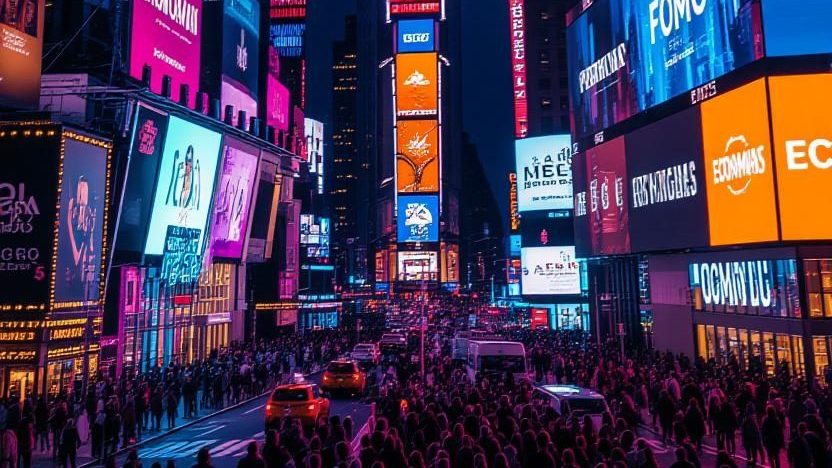
In the ever-evolving landscape of urban travel, 2025 has marked a seismic shift: the death of the predictable itinerary. Gone are the days when a standard sightseeing loop sufficed for the modern wanderer. Instead, travelers—especially Gen Z and millennials—are flocking to hyper-local, time-sensitive pop-up experiences that scream exclusivity and ignite FOMO (fear of missing out). According to American Express’s Global Travel Trends Report, a whopping 60% of global respondents now plan trips around entertainment events or sporting spectacles, up from previous years, signaling a broader pivot toward “event-driven escapism.” This isn’t just hype; it’s reshaping how cities like New York generate buzz, foot traffic, and cold hard cash.
To illustrate, let’s pit two tours in the iconic Grand Central Terminal against each other: the classic Grand Central Guided Walking Tour (a staple of NYC’s tourism machine) versus the buzzworthy Severance-Inspired Immersive Pop-Up (Apple TV+’s dystopian fever dream brought to life). Both offer a glimpse into one of the world’s busiest transit hubs, but one feels like a history lesson on repeat, while the other is a viral, heart-pounding thrill ride. Drawing from 2025 industry data, we’ll break down the head-to-head: attendance traffic, revenue streams, social virality, demographics, and sustainability. Spoiler: The pop-up isn’t just winning—it’s redefining the game.
Meet the Contenders: Two Takes on Grand Central Glory
The Regular Tour: Grand Central Guided Walking Tour
This evergreen offering, run by partners like the New York Adventure Club or official terminal guides, is the quintessential NYC intro. Clocking in at 90 minutes, it covers the whispering gallery’s acoustics, the celestial ceiling’s zodiac murals, and tales of the station’s 1913 grandeur—all for $35–$45 per ticket. Available daily, it’s bookable weeks in advance via platforms like Viator or TripAdvisor, appealing to families, history buffs, and first-timers seeking a low-stakes orientation. In 2025, with NYC welcoming 68 million visitors and generating $88 billion in spending, these tours chug along steadily, serving as the reliable backbone of the city’s $12.3 billion tour operator market.
The FOMO Challenger: Severance-Inspired Immersive Pop-Up
Launched in January 2025 to hype Severance Season 2, this Apple TV+ activation hijacked Grand Central’s hidden nooks for four electrifying days (with weekend reruns through March). For $50 a pop, participants donned AR glasses to “sever” into Lumon Industries: typing memos at recreated desks that replied with eerie AI quips, stumbling upon in-character cast cameos (hello, Adam Scott as the vacuum-wielding Mark), and uncovering alternate-reality scanners that warped the terminal into a corporate dystopia. Limited to 3,000 spots per day, it sold out in under two hours—leaving scalpers and social media in a frenzy. This isn’t sightseeing; it’s a pop-culture pilgrimage wrapped in theatrical surprise.
Head-to-Head: How Pop-Ups are Pulling Ahead
To quantify the shift, we’ve crunched the numbers from 2025 reports. The tours, activities, and experiences sector—valued at $239 billion globally—saw experiential pop-ups capture 28% more market share than traditional formats, driven by a 24% surge in overall trip bookings. Here’s a side-by-side breakdown:
| Factor | Regular Walking Tour | Severance Pop-Up Tour | Why Pop-Ups Win in 2025 Trends |
|---|---|---|---|
| Attendance Traffic | Steady: ~500–800 daily participants across NYC’s 68M visitors; low sell-out risk but plateaus at 70% capacity. | Explosive: 12,000 total attendees over four days; 100% sell-out rate, with 35% from out-of-state travelers scrambling for flights. | Pop-ups leverage FOMO, with 69% of consumers influenced by scarcity tactics—driving 60% higher impulse bookings than regulars. Event-driven travel spiked 24% YoY, per NYT. |
| Revenue Generation | Predictable: $35–$45/ticket yields ~$20K daily across operators; total sector revenue steady at $12.3B for US tours, but margins squeezed by competition (avg. 15–20% profit). | Lucrative: $50/ticket + $10–20 merch (AR filters, “waffle party” kits) nets $750K+ per run; ancillary boosts like 40% show binge-spikes add $2M in streaming revenue. | Experiential formats command 25–50% premium pricing; pop-ups generate 60% more sales via upsells, per FOMO stats, while regulars face 37% traveler drop-off from “been-there” fatigue. |
| Social Virality & Engagement | Modest: 2–3K Instagram tags per tour; shares focus on “great facts,” with 10–15% repeat engagement. | Viral Storm: 3M X impressions, 500K+ TikTok views; user-generated content (e.g., “severed” selfies) amplified by 80% via FOMO shares. | 2025’s pop-culture itineraries dominate Gen Z feeds—62% prioritize “Instagrammable” moments, turning attendees into free marketers and extending buzz for months. |
| Demographics & Accessibility | Broad Appeal: Families (40%), boomers (30%), solos (20%); inclusive but generic, with 70% domestic visitors. | Youth Quake: Gen Z/millennials (65%), pop-culture fans (80%); 35% international/solos, but exclusivity barriers (e.g., rapid sell-outs) spark accessibility debates. | Trends favor “friend-finding” and solo experiential tours (24% growth), but pop-ups must address equity—69% of young travelers cite FOMO as a stressor, pushing inclusive hybrids. |
| Sustainability & Impact | Eco-Neutral: Walking-based, low emissions; supports local history but minimal community tie-in. | High-Impact: AR reduces physical waste (no props printed); generated $500K+ in terminal upgrades via partnerships, but crowds strain transit (15% higher peak-hour congestion). | Wellness and eco-trends boost pop-ups—74% of travelers seek “transformative” events with green tech, outpacing regulars’ static footprints. |
As McKinsey’s 2025 report on travel experiences notes, immersive formats like pop-ups are evolving from novelties to necessities, capturing 35% more “meaningful memory” shares than traditional tours. In NYC alone, pop-up hotspots like SoHo and the Arts District saw 20% traffic upticks from brand activations, per experiential agency data.
The Bigger Picture: Why Trends Are Tipping Toward FOMO
This isn’t a fluke—it’s a cultural recalibration. Post-2025 travelers crave “micro-moments” over marathon checklists: Booking.com’s Global Trends Survey highlights night tourism and well-being events as top draws, with pop-ups embodying both through surprise and serenity. Revenue-wise, while regular tours provide steady $20K daily drips, pop-ups deliver explosive $750K bursts, often with 50% higher margins from merch and partnerships—fueling a projected $250B+ global experiences market by 2030.
Yet, the real magic? Virality. FOMO isn’t just a buzzword; it’s a revenue rocket. Stats show 60% sales lifts from scarcity plays, with X users echoing the sentiment: “I get FOMO as a marketing strategy… but it’s pushing fans away” if not balanced with access. Demographics skew young and diverse, aligning with Gen Z’s 2025 priorities: pop-culture quests and sustainable immersion. Challenges remain—overcrowding and ticket wars—but hybrids (e.g., pop-up extensions into regular slots) could bridge the gap.
Final Verdict: Book the Blink-and-You’ll-Miss-It Adventure
In 2025, the writing’s on the (celestial) wall: FOMO pop-ups like Severance’s Grand Central takeover aren’t just stealing the show—they’re rewriting the script for urban tourism. With 28% higher engagement and revenue multipliers that make regulars look like relics, the trend is clear: Travelers want heart-racing highs over ho-hum histories. Pro tip? Set X alerts for #NYCPopUpFOMO and snag those timed slots early—your feed (and wallet) will thank you.
What’s your take—team pop-up or loyal to the classics? Drop your NYC must-dos in the comments. Until next time, chase the ephemeral. Safe(ly spontaneous) travels!