Top Feeding Mistakes Fish and Small Animal Owners Should Avoid

Feeding pets seems straightforward, but many well-intentioned owners unknowingly make mistakes that can harm their fish, hamsters, guinea pigs, rabbits, or other small animals. In 2026, with more people keeping aquariums and small pets, understanding proper nutrition is more important than ever. Avoiding these common errors can significantly improve your pet’s health, longevity, and quality of life.
Overfeeding and Portion Control Issues
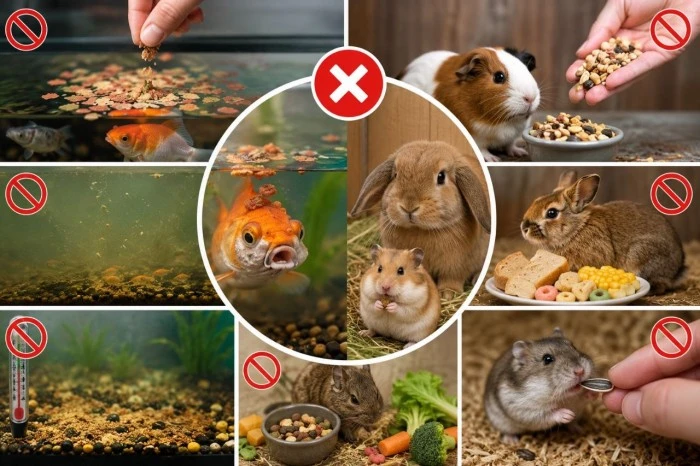
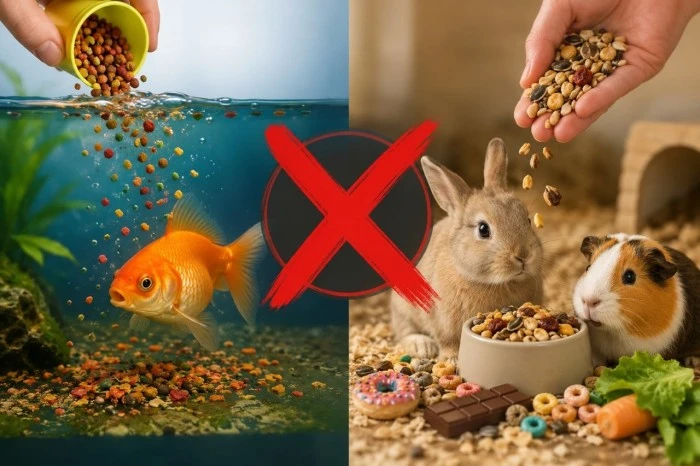
One of the most frequent mistakes is overfeeding. Fish only need an amount they can eat in 2–3 minutes, yet many owners sprinkle food generously multiple times a day. Excess food pollutes the water, leading to ammonia spikes, algae blooms, and stressed fish. For small mammals like hamsters and guinea pigs, constant access to food can cause obesity and digestive problems. Measure portions carefully and stick to scheduled feeding times.
Feeding the Wrong Type of Food
Not all pet foods are created equal. Using goldfish flakes for tropical fish or rabbit pellets as the main diet for guinea pigs can lead to nutritional deficiencies. Each species has specific needs — high-protein diets for growing animals, lower-calorie options for seniors, and specialized formulas for herbivores versus omnivores. Always choose species-appropriate, high-quality food and supplement with safe fresh foods where suitable.
Inconsistent Feeding Schedules
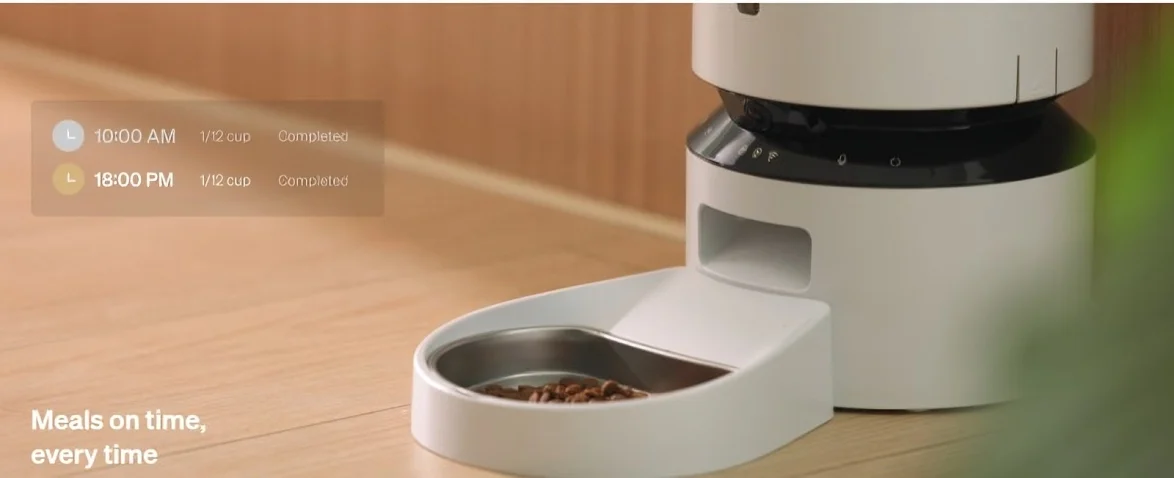
Pets thrive on routine. Irregular meal times can cause stress, digestive upset, and behavioral issues. Fish, in particular, become more active and visible when fed at consistent times. Small mammals also benefit from predictable feeding windows. Set a daily schedule and try to maintain it, even on weekends or holidays.
Poor Food Storage and Expired Products
Storing dry food in original bags or warm, humid places allows moisture and pests to ruin nutritional value. Always transfer food to airtight containers and store in a cool, dry location. Check expiration dates regularly — rancid fats in seed mixes or degraded vitamins can cause serious health problems over time.
Ocado provides fresh, high-quality pet foods with clear labeling and reliable delivery, helping owners maintain proper stock without waste.
Ignoring Water Quality When Feeding Fish
Feeding directly impacts aquarium health. Leftover food decomposes quickly, raising toxin levels. Remove uneaten food promptly and perform regular water changes. Overfeeding is one of the leading causes of “new tank syndrome” and fish deaths in beginners’ setups.
Relying Too Much on Treats
Treats should be occasional rewards, not dietary staples. Many commercial treats are high in sugar, salt, or fat, leading to obesity, dental disease, and shortened lifespans. Limit treats to less than 10% of daily intake and choose healthier options like fresh vegetables for rabbits and guinea pigs or freeze-dried insects for fish.
Not Adjusting for Life Stage or Activity Level
A young, active rabbit needs more calories than a senior one. Fish in heated tanks may have different metabolic needs than those in cooler water. Many owners feed the same amount year-round, ignoring seasonal changes or life stages. Adjust portions based on age, weight, activity, and veterinary advice.
Introducing New Foods Too Quickly
Sudden diet changes can cause gastrointestinal upset. When switching foods or introducing fresh produce, do so gradually over 7–10 days. This is especially important for sensitive animals like guinea pigs and certain fish species.
Neglecting Hydration
While focused on food, many owners forget about fresh water. Small animals need constant access to clean water, and fish require stable water parameters. Automatic water fountains and regular changes make this easier to maintain.
Final Advice for Better Pet Feeding
- Research your specific pet species thoroughly
- Invest in quality food rather than the cheapest option
- Monitor weight and behavior regularly
- Consult a vet for personalized dietary advice
- Keep feeding simple but consistent
Proper feeding is one of the most important responsibilities of pet ownership. By avoiding these common mistakes, you can help your fish and small animals live longer, healthier, and happier lives. A little knowledge and attention to detail goes a long way toward responsible and rewarding pet care.