Frozen Rice vs. Freshly Cooked Rice: Which Is Better for Everyday Meals?

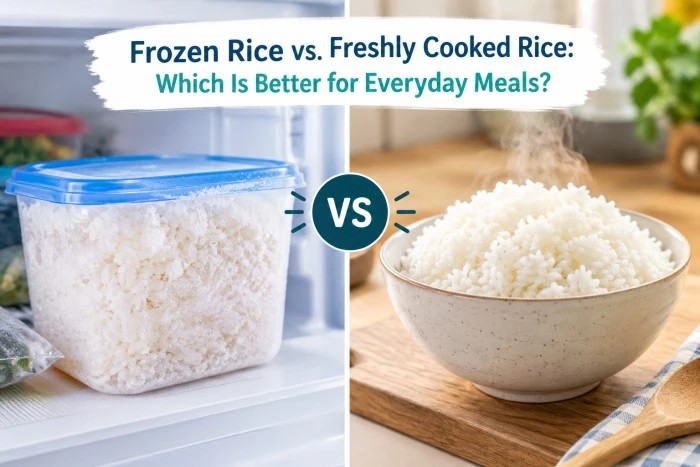
Rice is a staple in many households because it is affordable, versatile, and easy to pair with vegetables, meat, fish, and sauces. However, choosing between frozen rice and freshly cooked rice can influence how quickly you prepare meals, how much food you waste, and how you manage your weekly routine. Both options have advantages, and the better choice depends on your schedule, taste preferences, storage habits, and nutritional needs.
Understanding Frozen and Freshly Cooked Rice
Freshly cooked rice is prepared shortly before serving, using a pot, rice cooker, or another cooking method. It offers a soft texture, warm aroma, and flexibility to adjust the seasoning and consistency to suit a particular dish. Frozen rice is usually cooked in advance, cooled, portioned, and frozen for later use. It can be reheated when needed, making it a convenient option for busy households.
Some supermarkets also sell ready-to-heat rice products that require minimal preparation. Both options can fit into a balanced diet. The main differences involve preparation time, texture, storage, and how carefully the rice is handled before eating.
Convenience and Preparation Time
One of the biggest advantages of frozen rice is convenience. Cooking rice from scratch requires measuring, rinsing if appropriate, adding water, and allowing enough time for cooking and resting. Although these steps are relatively simple, they can become inconvenient on busy evenings.
Frozen rice can reduce preparation time significantly because it has already been cooked. Depending on the product, it may be reheated in a microwave or on the stovetop within minutes. This makes it useful for quick lunches, packed meals, and last-minute dinners.
Freshly cooked rice is a good choice when you have time to prepare a meal and want complete control over the cooking process. It is also helpful when preparing large quantities for a family gathering or a recipe that depends on a particular texture.
Taste and Texture Differences
Freshly cooked rice often has a pleasant aroma and a soft, fluffy texture when prepared correctly. It can be particularly satisfying when served immediately with curries, stir-fries, or grilled dishes. Frozen rice can also retain good quality when it is cooled, frozen, and reheated properly. However, the result depends on the rice variety, freezing method, packaging, and reheating technique.
Some rice may become dry or clump together, while other varieties retain a fluffy consistency. To improve the texture of frozen rice, follow the package instructions and add a small amount of water if appropriate. Covering the rice during reheating can help retain moisture. Avoid overheating it, as this may cause dryness or uneven warming.
Nutritional Value and Meal Planning
Neither frozen nor freshly cooked rice is automatically more nutritious. The nutritional value depends largely on the rice variety, portion size, cooking method, and any added ingredients. White rice provides carbohydrates for energy, while brown rice generally contains more fibre because it retains more of the grain’s outer layers. Both can be included in balanced meals alongside vegetables, protein sources, and healthy fats.
Cooked rice that is cooled and later reheated may contain more resistant starch than rice eaten immediately after cooking. Resistant starch is not digested in the same way as ordinary starch, although the amount varies according to the rice variety and preparation method. This does not mean frozen rice is universally healthier, but it can be one factor to consider when planning meals. Check packaged products for added salt, oils, sauces, or flavourings, especially when choosing ready-to-heat varieties.

Food Safety and Storage
Food safety is particularly important with cooked rice because Bacillus cereus, a bacterium that can cause food poisoning, may survive the cooking process as spores. Rice left at room temperature for too long can allow bacteria to multiply and produce toxins. For freshly cooked rice, serve it promptly or cool leftovers quickly and refrigerate them within one to two hours. Divide large quantities into shallow containers so they cool faster.
If freezing rice, portion it and place it in the freezer promptly after rapid cooling. When reheating rice, make sure it is steaming hot throughout. Avoid reheating the same portion repeatedly, and follow any storage guidance on packaged products. Freezing does not make rice safe if it was handled improperly before freezing.
Cost and Reducing Food Waste
Cooking rice at home is often economical, especially when buying larger bags of dry rice. It allows you to prepare exactly the quantity needed and adjust portions to suit your household. Frozen or ready-to-heat rice may cost more per serving, but it can save time and help prevent waste when you need only a small portion.
Buying ingredients and convenient meal options from retailers such as Ocado can make it easier to plan a mixture of home-cooked meals and quick alternatives. For better value, cook an appropriate quantity, freeze extra portions safely, and label containers with the date. This approach combines the affordability of dry rice with the convenience of ready-to-reheat meals.
Which Option Is Best for Everyday Meals?
Freshly cooked rice is ideal when you value immediate serving, control over texture, and low ingredient costs. Frozen rice is useful when convenience, portion control, and faster meal preparation matter most. You do not need to choose only one. Preparing fresh rice when you have time and freezing suitable portions for future meals can provide a practical balance. By considering taste, nutrition, cost, and food safety, you can make the choice that best supports your everyday routine.