How to Choose the Best Sunglasses for Water Sports: Features to Look For

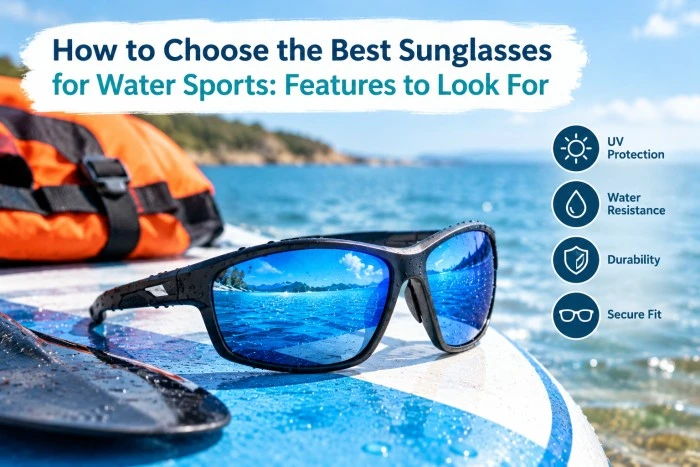
Choosing the right sunglasses for water sports can make a significant difference to your comfort, visibility, and eye protection during activities such as kayaking, sailing, surfing, fishing, and paddleboarding. Water reflects sunlight, creating glare that can make it difficult to see clearly and may cause eye strain. The best pair should combine reliable UV protection, glare reduction, a secure fit, and durable materials to help you enjoy your favourite water activities with confidence.
Look for 100% UV Protection
UV protection should be your first priority when choosing sunglasses for outdoor water activities. Prolonged exposure to ultraviolet rays can damage your eyes, and sunlight reflected from water can increase your exposure.
Choose sunglasses labelled as providing 100% UVA and UVB protection or UV400 protection. These lenses help block harmful ultraviolet radiation, whether you are spending a sunny afternoon fishing or paddling across an open lake.
Remember that darker lenses do not automatically provide better UV protection. Always check the product specifications rather than relying on lens colour alone. For extended periods outdoors, consider frames that offer good coverage around the eyes to reduce sunlight entering from the sides.
Choose Polarized Lenses to Reduce Glare
Glare is a common challenge during water sports because sunlight reflects off the water’s surface. Polarized lenses contain a special filter designed to reduce this reflected glare, making bright conditions more comfortable to manage.
They can be particularly useful for fishing, kayaking, sailing, and paddleboarding, where reflections may interfere with your view of the water. Reduced glare can also help you distinguish surface details more comfortably. However, polarized sunglasses are not essential for every activity. Some digital displays can be harder to see through polarized lenses, so consider your equipment and needs before buying. Polarization also does not replace UV protection; look for both features when comparing options.
Select the Right Lens Colour
Lens colour can affect contrast and how your surroundings appear. Choosing the right tint depends on the water activity, lighting conditions, and personal preference. Gray lenses are versatile for bright conditions because they reduce overall brightness while preserving relatively natural colour perception. Brown and amber lenses can enhance contrast, helping you distinguish details in changing light. Copper lenses may also improve contrast in some environments.
For general boating and water recreation, prioritize clear vision and adequate UV protection over appearance alone. If you frequently move between bright sunlight and shaded areas, choose a tint that suits those changes without making your surroundings unnecessarily dark.
Prioritize a Secure and Comfortable Fit
Water sports involve movement, splashes, and sometimes sudden changes in direction. Sunglasses that slide down your nose or fall off easily can become frustrating and may be lost in the water. Look for lightweight frames with non-slip nose pads and rubberized temple tips. A wraparound design can provide a more secure fit and help reduce light entering from the sides.
For surfing, kayaking, or other activities where glasses may come loose, consider a compatible floating retainer or strap. Floating accessories can help keep sunglasses near the surface if they fall into the water, although not every pair of sunglasses will float on its own. Try the frames on before purchasing whenever possible. They should fit snugly without pinching your nose or creating pressure behind your ears.
Choose Durable, Water-Resistant Materials
Saltwater, freshwater, sunscreen, and repeated handling can affect eyewear over time. Choose frames made from durable, lightweight materials that are suitable for active use. Flexible plastics and certain nylon-based materials can offer a practical combination of comfort and resilience. Lens materials such as polycarbonate are lightweight and impact-resistant, making them worth considering for activities where accidental knocks are possible.
Check whether the manufacturer provides care instructions for saltwater exposure. Even sunglasses designed for outdoor use should be rinsed with fresh water after contact with seawater and dried with a clean microfiber cloth. This helps remove salt and residue that may affect the frames or coatings.

Consider Lens Coverage and Prescription Options
Larger lenses and wraparound frames can provide broader coverage, helping protect your eyes from sunlight, wind, and splashing water. The ideal design should balance protection with a clear, unobstructed field of vision.
If you wear prescription glasses, you do not have to compromise on vision correction to enjoy water sports. Prescription sunglasses or compatible sports eyewear may offer the features you need. Make sure the selected design fits securely and suits your particular activity.
When browsing different eyewear styles, Zennioptical offers a range of frame and lens options to compare. Review product specifications carefully to confirm UV protection, lens type, fit, and suitability for your intended use.
Match Your Sunglasses to Your Activity
Different water sports have different requirements. Fishing enthusiasts may benefit from polarized lenses that reduce surface glare, while sailors may prioritize secure frames and broad coverage. Kayakers and paddleboarders should consider lightweight designs and retainers to help prevent loss.
For high-impact activities, look for eyewear specifically designed for the relevant sport rather than assuming ordinary fashion sunglasses provide adequate protection. Follow safety guidance for your activity and use any additional protective equipment recommended by the manufacturer.
Keep Your Sunglasses in Good Condition
Proper care can help extend the life of your sunglasses. Rinse away salt and sand before wiping the lenses, use a microfiber cloth, and store the pair in a protective case when not in use. Avoid leaving them in a hot vehicle, as excessive heat can damage some lens coatings and frame materials.
The best water sports sunglasses combine dependable UV protection, effective glare control, a secure fit, and durable construction. By considering your activity, lens preferences, and comfort needs, you can choose eyewear that supports clearer vision and a more enjoyable time on the water.