How Stock Splits Affect Shareholders: Benefits, Risks, and Common Misconceptions

Stock splits frequently make headlines, sparking excitement among investors. From Apple to Nvidia, major companies have executed splits to adjust share prices. But what do they truly mean for individual shareholders? This article explores the mechanics, advantages, drawbacks, and widespread misunderstandings surrounding stock splits.
Understanding the Mechanics of a Stock Split
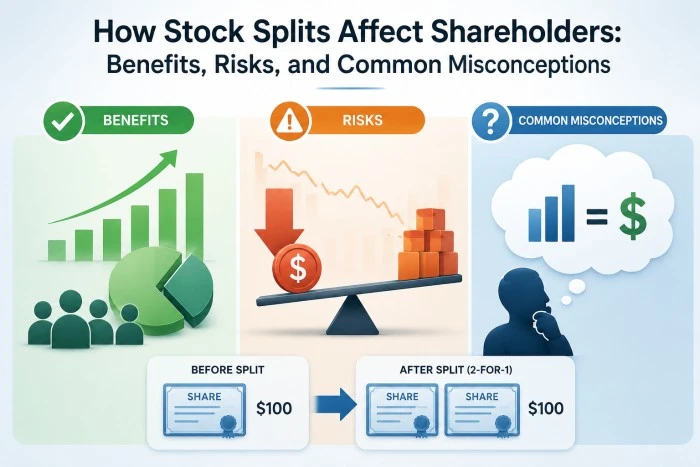
A stock split increases the number of outstanding shares while proportionally reducing the price per share. In a 2-for-1 split, for example, an investor holding 100 shares at $200 each would own 200 shares at $100 each. The total value of the investment remains unchanged immediately after the split.
Companies typically split shares when the price has risen significantly, aiming to make them more affordable for retail investors. Reverse splits, which consolidate shares and raise the price, are less common and often signal distress. The corporate action requires board approval and regulatory filings but does not alter the company’s underlying fundamentals or market capitalization.
Key Benefits for Shareholders
One primary advantage is enhanced liquidity. Lower share prices attract more buyers, increasing trading volume. This can lead to tighter bid-ask spreads and easier entry or exit for investors. Psychological accessibility also plays a role. Many retail investors prefer stocks trading in a “reasonable” range—say $20 to $200—rather than hundreds or thousands per share. A split can democratize ownership, encouraging broader participation and potentially boosting demand over time.
Historically, splits have often been followed by positive momentum. Companies that split tend to be growing and confident in future performance. Some investors interpret a split announcement as a bullish signal, which can drive short-term price appreciation. For long-term holders, splits facilitate easier portfolio management, such as gifting shares to family members or using them in dividend reinvestment plans without high per-share costs.
Potential Risks and Considerations
While stock splits themselves are neutral events, they are not without indirect risks. Increased retail interest can lead to higher volatility, especially in hot sectors like technology. Post-split hype may inflate valuations temporarily before a correction occurs.
There is also the risk of over-optimism. Some shareholders mistakenly view a split as a catalyst for fundamental improvement, leading to poor timing decisions. Additionally, transaction costs—though minimal with modern brokers—can add up for frequent traders executing small-lot orders after a split.
Reverse splits carry more serious risks. They are often associated with struggling companies trying to meet exchange listing requirements. These can signal underlying problems and frequently result in further price declines as investor confidence wanes.
Common Misconceptions Debunked
A prevalent myth is that stock splits make investors richer. In reality, they are cosmetic adjustments. Your proportional ownership and the company’s total value stay the same. The perception of “more shares” can create a false sense of gain if not understood properly.
Another misconception is that splits automatically improve company performance. While splits often coincide with strong growth periods, the split itself does not create value. Fool.com analysis frequently highlights how fundamentals like earnings growth and competitive advantages drive long-term returns far more than share structure changes.
Many also believe all splits guarantee price increases afterward. Data shows mixed results—some stocks rally, while others underperform benchmarks. Context matters: the company’s reasons for splitting, overall market conditions, and execution quality all influence outcomes.
Finally, some fear dilution from splits. Unlike issuing new shares for fundraising, true stock splits do not dilute ownership. The pie is simply cut into more slices of equal size.

Real-World Examples and Strategic Implications
Major tech firms have used splits effectively. A well-timed split can sustain momentum by broadening the investor base. However, shareholders should evaluate the company’s financial health, growth prospects, and valuation metrics before reacting.
For diversified investors, stock splits rarely warrant portfolio changes. They serve as reminders to review holdings periodically. Consider tax implications in taxable accounts, though splits themselves are not taxable events.
How to Approach Stock Splits as a Shareholder
Stay informed but avoid emotional decisions. Use splits as opportunities to reassess your investment thesis rather than chasing momentum. Focus on quality companies with strong moats, consistent earnings, and prudent capital allocation.
If considering buying before or after a split, analyze whether the lower price improves your dollar-cost averaging strategy or simply reflects market enthusiasm. Long-term investors benefit most by ignoring short-term noise and concentrating on business performance.
The Bottom Line: Splits Are Tools, Not Magic
Stock splits influence shareholder experience more through perception and accessibility than through fundamental value creation. They offer benefits in liquidity and appeal while carrying risks of volatility and misinterpretation. By understanding the realities behind the headlines, investors can navigate these events with confidence.
Ultimately, successful investing depends on thorough research, patience, and a focus on intrinsic value rather than share price mechanics. Whether a company announces a split or not, prioritize businesses with solid fundamentals for sustainable returns.