Pet Insurance vs. Paying Vet Bills Out of Pocket: Which Saves More Money?

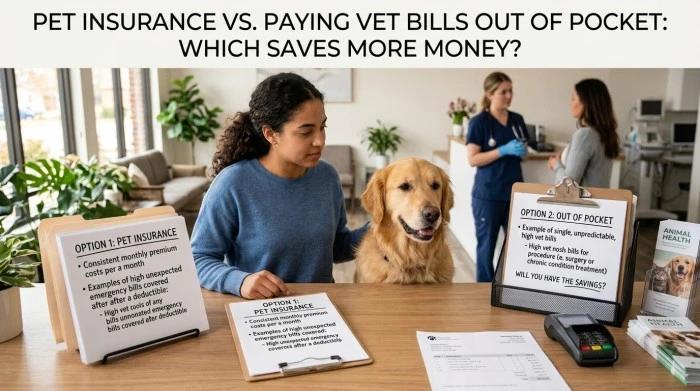
For many pet owners, dogs and cats are more than just animals—they are beloved members of the family. Just like humans, pets can experience accidents, illnesses, and unexpected health issues that require medical attention. While routine checkups and vaccinations are generally manageable expenses, emergency treatments and surgeries can quickly become costly. This raises an important question for pet owners: Is it more affordable to purchase pet insurance or simply pay veterinary bills out of pocket?
The answer depends on several factors, including your pet’s age, breed, health history, and financial situation. Understanding the advantages and limitations of both options can help you make a more informed decision and potentially save money in the long run.
Understanding Pet Insurance
Pet insurance works similarly to health insurance for humans. Owners pay a monthly or annual premium, and in return, the insurance provider helps cover eligible veterinary expenses. Depending on the policy, coverage may include accidents, illnesses, surgeries, diagnostic tests, medications, and even some preventive care services.
Most plans operate on a reimbursement model, meaning pet owners pay the veterinary bill upfront and then submit a claim to receive reimbursement for covered costs. The main appeal of pet insurance is financial protection against unexpected and expensive medical emergencies that could otherwise create a significant financial burden.
The Reality of Out-of-Pocket Veterinary Costs
Paying veterinary expenses out of pocket means covering all medical costs directly without insurance assistance. Some pet owners prefer this approach because it avoids monthly premiums and allows them to maintain complete control over their spending.
For healthy pets that rarely require medical care, paying out of pocket can sometimes be less expensive than paying insurance premiums for years without filing a claim. Routine expenses such as annual checkups, vaccinations, and minor treatments are often manageable for many households.
However, the challenge arises when unexpected health issues occur. Emergency surgeries, cancer treatments, advanced diagnostics, and hospitalization can cost hundreds or even thousands of dollars. In these situations, out-of-pocket expenses can become difficult to manage.
When Pet Insurance Can Save Money
Pet insurance often provides the greatest financial benefit when a pet experiences serious health problems or accidents. Conditions such as broken bones, chronic illnesses, surgeries, or emergency treatments can result in substantial veterinary bills.
In these cases, insurance can help reduce the overall financial impact by reimbursing a significant portion of eligible expenses. For owners who prefer predictable monthly costs rather than the risk of large unexpected bills, insurance offers valuable peace of mind.
Pet insurance may be particularly beneficial for:
- Young pets with many years of coverage ahead
- Breeds prone to hereditary conditions
- Active pets with higher injury risks
- Owners seeking financial protection from emergencies
The earlier a pet is enrolled, the more likely it is that future conditions will be covered without exclusions related to pre-existing health issues.
When Paying Out of Pocket May Be More Affordable
Not every pet owner will save money through insurance. If a pet remains healthy throughout its life and requires only routine care, the total amount spent on premiums may exceed the cost of veterinary services received.
Some owners prefer to set aside money in a dedicated savings account instead of paying insurance premiums. This approach creates a personal emergency fund that can be used for veterinary expenses when needed. However, building a sufficient emergency fund takes time, and major medical events can occur unexpectedly before adequate savings have accumulated.
Many pet owners researching coverage options compare providers such as lemonade when evaluating whether insurance fits their financial goals. As the pet insurance market continues to grow, companies like lemonade have made coverage more accessible to owners looking for protection against unpredictable veterinary expenses.
Factors That Influence the Decision
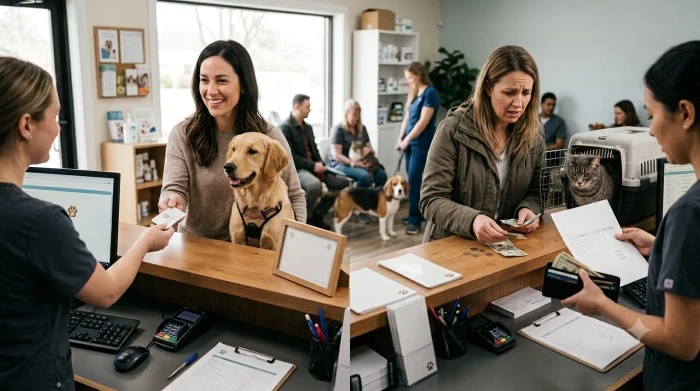
Several important factors should be considered when choosing between pet insurance and paying out of pocket. The pet’s age is a major consideration. Younger pets often qualify for lower premiums and may benefit from long-term coverage. Older pets may face higher premiums and more coverage limitations.
Breed-specific health risks can also influence the decision. Some breeds are known to develop certain medical conditions, making insurance potentially more valuable. Financial flexibility is another important factor. Households with substantial emergency savings may feel comfortable handling unexpected costs independently, while others may prefer the predictability of insurance payments.
The Importance of Reading Policy Details
For those considering pet insurance, understanding policy terms is essential. Coverage limits, deductibles, reimbursement rates, waiting periods, and exclusions can all affect the value of a policy. Not all plans cover the same conditions or treatments. Comparing policies carefully helps ensure that coverage aligns with both the pet’s needs and the owner’s expectations. A lower premium may seem attractive initially, but it could come with higher deductibles or reduced coverage.
Conclusion
The question of whether pet insurance or paying vet bills out of pocket saves more money does not have a one-size-fits-all answer. Pet insurance can provide significant financial protection against unexpected emergencies and major health issues, while paying out of pocket may be more economical for healthy pets with minimal medical needs. Ultimately, the best choice depends on your pet’s health risks, your financial situation, and your comfort level with unexpected expenses. By carefully evaluating both options, pet owners can make a decision that supports both their budget and their pet’s long-term well-being.