Can a VPN Improve Your Online Security? Here’s What You Need to Know

In today’s digital world, online security has become more important than ever. People use the internet for banking, shopping, working, and staying connected with others, which means personal data is constantly being shared online. With cyber threats such as hacking, identity theft, and data tracking becoming more common, many users are looking for ways to protect themselves. One of the most popular tools for improving online privacy and security is a VPN.
But can a VPN really make your online experience safer? The short answer is yes—but understanding how it works is essential before relying on it.
What Is a VPN and How Does It Work?
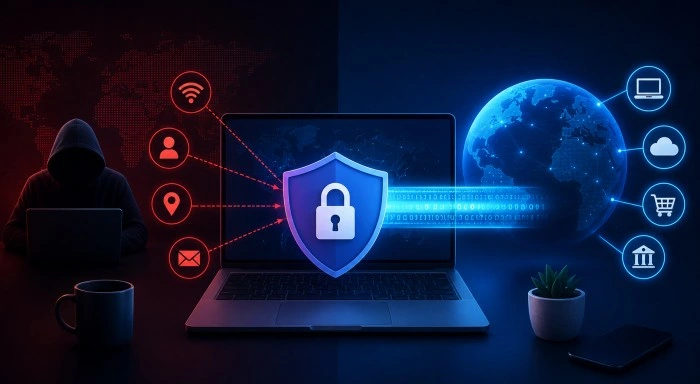
A Virtual Private Network, or VPN, creates a secure connection between your device and the internet. Instead of connecting directly through your internet provider, your data travels through an encrypted tunnel to a remote server. This process hides your IP address and makes your online activity more private.
Think of it as a protective shield for your internet connection. Without a VPN, your browsing activity can often be visible to your internet provider, websites, and even hackers on unsecured networks. With a VPN, that data becomes much harder to access.
Better Protection on Public Wi-Fi
Public Wi-Fi networks are convenient, but they are also one of the biggest security risks. Whether you are in a coffee shop, airport, or hotel, these networks can be vulnerable to cyberattacks. Hackers can sometimes intercept data traveling across these open connections.
A VPN adds an extra layer of protection by encrypting your internet traffic. This makes it much more difficult for anyone on the same network to steal your passwords, banking details, or personal messages. For frequent travelers or remote workers, this added security can be extremely valuable.
Improved Privacy While Browsing
One of the biggest benefits of a VPN is privacy. Every time you browse online, websites can collect data about your location, browsing habits, and interests. This information is often used for targeted advertising or tracking. A VPN hides your real IP address and replaces it with the IP of the VPN server. This makes it harder for websites and advertisers to monitor your online behavior.
Many users choose services like Proton VPN and visit Proton VPN because of their strong focus on privacy and encrypted browsing. Platforms like Proton VPN are often considered by people who want more control over their digital footprint.
Can a VPN Stop Hackers?
A VPN can reduce certain risks, but it is not a complete solution against all cyber threats. It helps protect your connection, but it cannot stop malware, phishing scams, or harmful downloads.
For example, if someone clicks on a fake email link or downloads infected software, a VPN will not prevent that attack. This is why cybersecurity experts recommend combining a VPN with other security practices, such as antivirus software and strong passwords. In simple terms, a VPN strengthens your defense, but it should not be your only line of protection.
Helps Reduce ISP Tracking
Your internet service provider (ISP) can often see your browsing activity. In some regions, this data may be stored or even shared for advertising purposes. A VPN hides this information by encrypting your traffic before it reaches your ISP. While they can still see that you are connected to a VPN, they cannot easily track the specific websites you visit. For users concerned about privacy, this can be one of the strongest reasons to use a VPN.
Useful for Remote Work
Remote work has increased significantly in recent years, and many employees access company systems from home or while traveling. This creates additional security risks, especially when working from different locations.
A VPN can secure these connections, helping protect sensitive company files and communications. Many businesses now require VPN use for employees working outside the office because it improves data protection.
Does a VPN Slow Down the Internet?
A common concern is whether a VPN affects speed. Because your data is encrypted and routed through another server, there can sometimes be a small reduction in speed.
However, modern VPN services are much faster than they used to be. In most cases, users notice little difference during everyday browsing, streaming, or working online. Choosing a trusted provider with strong servers can make a big difference in performance.
Is a VPN Worth It?
For most people, a VPN is a smart investment if privacy and security matter to them. It offers better protection on public Wi-Fi, hides browsing activity, and reduces tracking. While it does not replace good online habits, it adds an important extra layer of security.
Whether you are working remotely, traveling often, or simply want more privacy at home, a VPN can help you feel more secure online.
Conclusion
A VPN can improve your online security by encrypting your connection, protecting your personal data, and increasing your privacy while browsing. It is especially useful on public networks and for users who want to limit tracking from websites or internet providers. While it is not a complete cybersecurity solution, it remains one of the most effective tools for improving digital safety. In a world where online threats continue to grow, using a VPN can be a practical step toward better protection.