Fit-Over Goggles vs. Safety Glasses: Which Eye Protection Is Right for You?

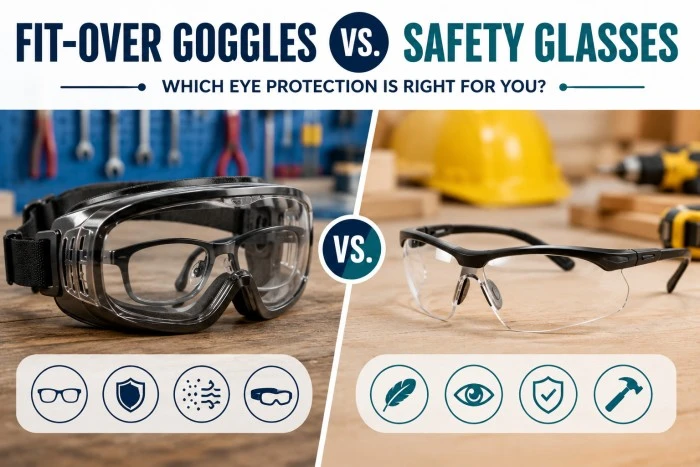
Protecting your eyes is essential, whether you’re working in a hazardous environment, tackling DIY projects, or participating in recreational activities. The right eye protection can prevent injuries caused by flying debris, dust, chemicals, or harmful UV rays. Among the most popular options are fit-over goggles and safety glasses, each designed for different needs and situations.
While both provide valuable protection, understanding their differences can help you make the right choice for your lifestyle and workplace. This guide explores the key features, benefits, and ideal applications of fit-over goggles and safety glasses to help you decide which option best suits your needs.
What Are Fit-Over Goggles?
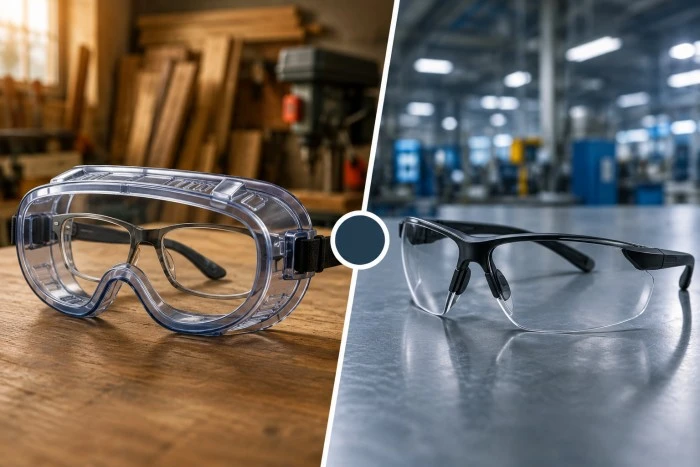
Fit-over goggles are protective eyewear specifically designed to be worn over prescription glasses. They provide an extra layer of protection without requiring users to remove their corrective eyewear. These goggles feature a larger frame that comfortably accommodates most prescription glasses while creating a protective barrier around the eyes. Many models also include side shields and wraparound coverage, offering greater defense against airborne particles, splashes, and dust. Fit-over goggles are commonly used in laboratories, workshops, construction sites, healthcare settings, and industrial environments where comprehensive eye protection is required.
What Are Safety Glasses?
Safety glasses are lightweight protective eyewear designed to shield the eyes from impact, debris, and certain environmental hazards. Unlike fit-over goggles, they fit directly on the face and are available in prescription and non-prescription versions. Modern safety glasses often include impact-resistant polycarbonate lenses, anti-fog coatings, scratch resistance, and UV protection. Their sleek design makes them comfortable for extended wear, making them a popular choice for professionals and hobbyists alike. Safety glasses are widely used in manufacturing, woodworking, landscaping, cycling, and home improvement projects.
Key Differences Between Fit-Over Goggles and Safety Glasses
1. Compatibility with Prescription Glasses
The biggest advantage of fit-over goggles is their ability to accommodate prescription eyewear. Instead of purchasing prescription safety glasses, users can simply wear their existing glasses underneath. Standard safety glasses generally require either non-prescription use or specially made prescription safety lenses for clear vision.
2. Level of Protection
Fit-over goggles provide superior overall coverage. Their enclosed design helps protect the eyes from dust, chemical splashes, airborne particles, and debris entering from the sides. Safety glasses primarily protect against frontal impacts and flying particles. Although many feature side shields, they don’t provide the same sealed protection as goggles.
3. Comfort During Extended Wear
Safety glasses are typically lighter and less bulky, making them ideal for long periods of continuous use. Fit-over goggles, while highly protective, may feel heavier because they sit over prescription glasses. However, modern designs have improved ventilation and lightweight construction to enhance comfort.
4. Ventilation and Fog Resistance
Safety glasses generally offer better airflow, reducing the chance of lens fogging. Fit-over goggles may trap heat and moisture due to their enclosed design. Fortunately, many premium models now include indirect ventilation systems and anti-fog coatings to improve visibility.
5. Best Use Cases
Fit-over goggles are ideal for:
- Laboratory work
- Chemical handling
- Construction sites
- Woodworking with heavy dust
- Medical and healthcare settings
Safety glasses are better suited for:
- General workshop tasks
- Outdoor projects
- Cycling
- Landscaping
- Manufacturing
- Everyday protective use
Which Option Offers Better Value?
The answer depends entirely on your specific needs. If you wear prescription glasses and require occasional or workplace eye protection, fit-over goggles provide excellent value because they eliminate the need for custom prescription safety eyewear. On the other hand, if you don’t wear prescription lenses—or you’re willing to invest in prescription safety glasses—traditional safety glasses offer superior comfort, lightweight performance, and greater versatility for everyday use.
Important Features to Consider
Regardless of which style you choose, look for these essential features:
- ANSI-certified impact resistance
- Polycarbonate lenses
- UV protection
- Scratch-resistant coating
- Anti-fog technology
- Comfortable adjustable fit
- Side protection
- Lightweight construction
Choosing certified protective eyewear ensures reliable performance in demanding environments while improving long-term durability.
Finding Quality Protective Eyewear
Today’s eyewear manufacturers offer a wide range of protective solutions designed for both professionals and everyday users. Companies such as zennioptical have expanded their eyewear collections to include stylish prescription options that prioritize comfort and visual clarity. Whether you need prescription-compatible eyewear or durable protective glasses, zennioptical demonstrates how modern eyewear can combine functionality with everyday wearability.
Final Thoughts
Both fit-over goggles and safety glasses play an important role in protecting your vision, but each serves a different purpose. Fit-over goggles provide maximum coverage and are especially beneficial for individuals who wear prescription glasses or work in environments with dust, chemicals, or splash hazards. Safety glasses, meanwhile, offer lightweight comfort and dependable impact protection for general work, sports, and daily activities.
The best choice comes down to your work environment, comfort preferences, and vision requirements. By understanding the strengths of each option, you can confidently select eye protection that keeps your vision safe while supporting your everyday tasks.