Mastering Lemonade Renters Insurance: Essential Do’s and Don’ts for Renters

Renting an apartment comes with its own mix of freedom and responsibility. Your landlord’s insurance policy protects the building itself, but it won’t cover a single piece of your furniture, your electronics, or your personal liability if something goes wrong inside your unit. That gap is exactly what renters insurance is designed to close, and understanding how it actually works makes the difference between a smooth claims process and a frustrating one.
Digital-first insurers like Lemonade have changed how people think about signing up for coverage, replacing paper-heavy applications with app-based onboarding. But regardless of which provider you go with, there are a handful of habits worth building early, and a few common mistakes worth avoiding.
Here’s a practical breakdown of what to keep in mind.

The Do’s: Getting the Most Out of Your Policy
1. Understand What Counts as a High-Value Item
Most standard renters policies place caps on how much they’ll pay out for specific categories like jewelry, cameras, fine art, bikes, and musical instruments, even if your overall coverage limit is much higher. If you own anything that would be expensive to replace outright, it’s worth checking your policy’s fine print to see whether those categories carry lower payout limits than the rest of your belongings.
The smart move: Before you assume something is fully covered, look specifically at the sub-limits section of your policy documents rather than just the total coverage amount.
2. Document Everything When Filing a Claim
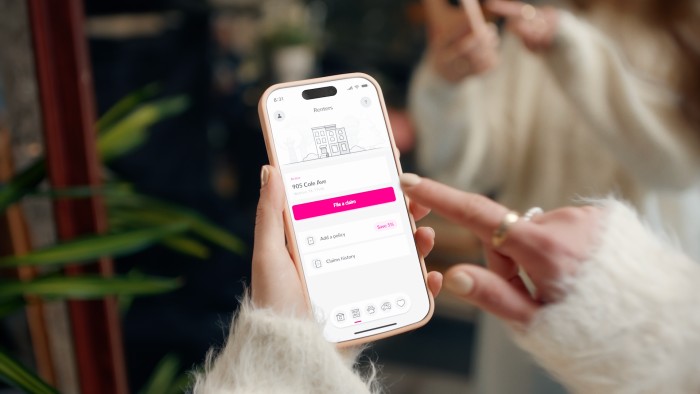
However a claim gets submitted, whether through an app, a call, or a web form, the speed and outcome usually come down to how complete your initial submission is.
The smart move: When something happens, take clear photos or video right away, note dates and details while they’re fresh, and gather receipts, serial numbers, or proof of purchase wherever you have them. A well-documented claim moves through review far more smoothly than one built on memory alone.
3. Review Your Coverage Categories Annually
Most policies are built around a few core categories: personal property, personal liability, and loss of use. What made sense when you first signed up may not reflect your life a year or two later.
The smart move: Set a yearly reminder to revisit your policy, especially after a move, a major purchase, or a change in your living situation, and adjust it to reflect what you actually own and need protected.
4. Remember That Coverage Isn’t Limited to Your Apartment
A common misconception is that renters insurance only protects belongings while they’re physically inside your unit.
The smart move: Know your policy’s terms around off-premises coverage. If a laptop is stolen from a coffee shop or a suitcase goes missing while traveling, many standard policies still apply, minus your deductible, though the specifics vary by provider and plan.
5. Keep Your Policy Documents Somewhere Accessible
It sounds obvious, but in the middle of an actual emergency, digging through email for your policy number is the last thing you want to be doing.
The smart move: Save a copy of your policy, your provider’s contact information, and your account login somewhere you can reach quickly, like a notes app or a cloud folder, so you’re not scrambling when it matters
The Don’ts: Common Pitfalls to Avoid
1. Don’t Assume Your Roommate Is Automatically Covered
One of the most frequent misunderstandings among renters is assuming a single policy acts as a blanket safety net for everyone in the apartment.
The pitfall: Believing a roommate’s belongings or personal liability are covered under your individual policy.
The fix: Standard policies generally only protect the policyholder and immediate family members living in the unit. Roommates typically need their own separate policies to make sure their belongings and liability are actually protected.
2. Don’t Skip Questions About Home Safety Features
It’s tempting to rush through the initial questionnaire when signing up for a policy, especially the sections asking about deadbolts, smoke detectors, or alarm systems.
The pitfall: Glossing over these questions or leaving them blank.
The fix: Answer them accurately. Insurers generally treat well-secured homes as lower risk, and these details can affect both your premium and how a future claim is evaluated.
3. Don’t Confuse Internal Water Damage With Flooding
Understanding what actually counts as a covered peril is one of the more overlooked parts of renters insurance.
The pitfall: Assuming natural flooding or storm surge is automatically covered.
The fix: Standard renters policies typically cover internal water damage, like a pipe bursting in the wall or a neighbor’s bathtub overflowing, but not rising groundwater or natural flooding. If you’re in a flood-prone area, it’s worth asking your provider directly whether a separate endorsement or standalone flood policy makes sense for your situation.
4. Don’t Wait Until Disaster Strikes to Create a Home Inventory
Trying to recall everything you own after a break-in or fire is overwhelming, and it almost always leads to underreporting what was actually lost.
The pitfall: Having no documentation or proof of ownership for your belongings.
The fix: Spend ten minutes walking through your apartment with your phone camera running. Open closets, drawers, and cabinets, and store receipts for major purchases in a folder you can find quickly if you ever need them.
5. Don’t Assume All Providers Handle Cancellations the Same Way
Contract terms, cancellation fees, and refund policies vary significantly across insurers, and assuming yours works a certain way without checking can be a costly mistake.
The pitfall: Paying for coverage you no longer need because you assume canceling is complicated or expensive.
The fix: Read your provider’s specific cancellation terms before you need them. Some allow changes anytime with prorated refunds; others don’t. Knowing which applies to you ahead of time saves a headache later.
Quick Reference
| Action | Goal | Why It Matters |
| Check sub-limits on valuables | Avoid surprise payout caps | Some categories max out well below your total coverage |
| Document claims thoroughly | Speed up the review process | Complete submissions move faster than incomplete ones |
| Review coverage yearly | Keep protection accurate | Your belongings and needs change over time |
| Get separate roommate policies | Close coverage gaps | Individual policies protect individual belongings |
| Disclose safety features | Support accurate pricing | Insurers factor security into risk assessment |
Renters insurance isn’t complicated once you understand the basics, but the details matter. Taking a little time upfront to understand your specific policy, document what you own, and know how claims and cancellations actually work will save you real frustration if you ever need to use it.