How to Choose the Right Dog Poop Bags: Biodegradable vs Compostable vs Standard

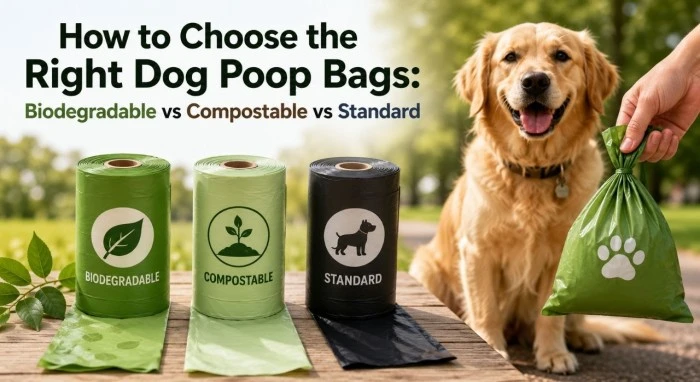
Picking up after your dog is a daily responsibility that impacts both neighborhood cleanliness and the environment. With so many bag options available, understanding the differences between biodegradable, compostable, and standard plastic bags helps you make a smarter, more sustainable choice without sacrificing convenience or strength.
Understanding the Main Types of Dog Poop Bags
Standard Plastic Bags
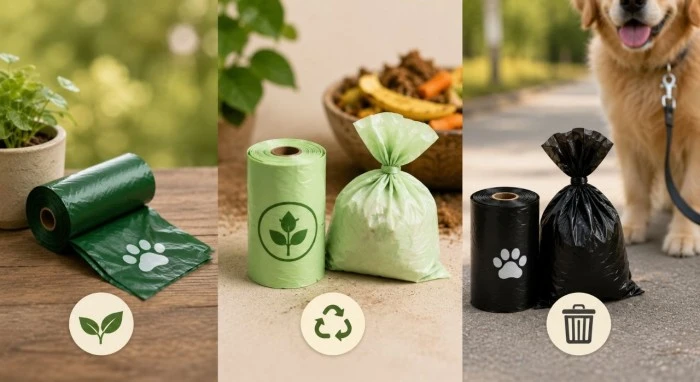
Traditional plastic bags are typically made from polyethylene. They are strong, leak-resistant, and widely available at low cost. These bags excel at containing messes and preventing odors during walks. However, they do not break down naturally and can persist in landfills or the environment for hundreds of years. Many pet owners still choose them for reliability, especially in wet weather or when carrying multiple bags.
Biodegradable Bags
Biodegradable bags are designed to break down over time through natural processes involving bacteria, fungi, or other organisms. They often contain additives that accelerate degradation compared to regular plastic. While marketed as eco-friendlier, the term “biodegradable” is not strictly regulated in all regions. Some bags require specific conditions (heat, moisture, or oxygen levels) that are rarely met in standard landfills. As a result, many still end up contributing to plastic pollution if not disposed of properly.
Compostable Bags
Compostable bags go a step further. They are designed to break down into natural elements like water, carbon dioxide, and biomass under controlled composting conditions, leaving no toxic residue. Certified compostable bags (look for standards such as ASTM D6400 or EN 13432) are typically made from plant-based materials like cornstarch or other bioplastics. These are the most environmentally preferred option when industrial or home composting facilities accept them. Note that most municipal compost programs do not accept pet waste due to potential pathogens, so check local rules carefully.
Key Factors to Consider When Choosing
Strength and Durability
No one wants a bag that tears mid-walk. Look for thick, puncture-resistant materials with reinforced seams. Many compostable and biodegradable options now match the strength of traditional plastic. Test a few brands to ensure they hold up under wet conditions or with larger dogs.
Size and Capacity
Bags come in various sizes. Standard sizes work for most medium dogs, while larger breeds or multi-dog households may need jumbo options. Some bags feature easy-tie handles or scent-masking technology for added convenience.
Environmental Impact
If sustainability is a priority, prioritize certified compostable bags and dispose of them correctly. Biodegradable bags are a middle-ground choice but verify claims carefully. Standard bags remain practical when other options are unavailable, though reducing their use is better long-term.
Cost and Availability
Standard bags are usually the cheapest. Biodegradable and compostable versions cost more but prices have become more competitive. Buying in bulk reduces the per-bag cost significantly.
Certifications and Transparency
Look for clear labeling. Terms like “oxo-biodegradable” can be misleading, as these often fragment into microplastics rather than fully biodegrading. Third-party certifications provide better assurance of genuine environmental benefits.
Practical Tips for Everyday Use
- Carry multiple bags and store them in a dedicated dispenser or leash pouch for quick access.
- Choose unscented or lightly scented options if your dog has sensitivities.
- Never flush dog waste bags, even if labeled flushable — this can damage plumbing and water systems.
- Research local waste rules. Some areas have specific disposal guidelines for pet waste.
- Combine better bags with responsible habits, such as picking up promptly and avoiding overuse of single-use products.
For convenient access to a range of high-quality dog waste bags and other pet essentials, many pet owners turn to Ocado for reliable selection and home delivery.
Making the Best Choice for Your Lifestyle
The “right” bag depends on your priorities. If maximum strength and lowest cost matter most, standard bags remain effective. If reducing long-term environmental impact is important, certified compostable bags offer the strongest eco-credentials when disposal options allow. Biodegradable bags serve as a practical compromise for many households.
Ultimately, the best dog poop bag is one you will actually use consistently. Strong, reliable bags that fit your routine encourage better habits and cleaner public spaces. By understanding the differences between biodegradable, compostable, and standard options, you can choose a product that balances convenience, performance, and environmental responsibility. Small daily choices add up. Selecting better waste bags is one simple way pet owners can care for both their dogs and the communities they share.