Are Cat Milk and Lactose-Reduced Milk Safe for Kittens and Adult Cats?

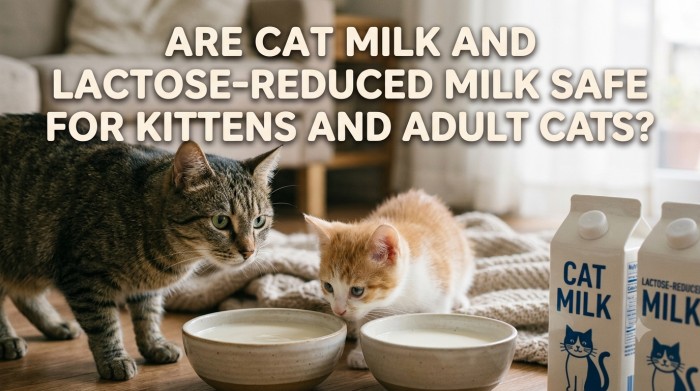
The image of a cat happily drinking from a bowl of milk is familiar, but regular cow’s milk is not necessarily a healthy choice for cats. As kittens grow and are weaned, their ability to digest lactose—the natural sugar found in milk—usually decreases. This is why many adult cats experience digestive problems after drinking ordinary milk.
Specially formulated cat milk and lactose-reduced milk are different. They are designed to contain less lactose and can be offered to some cats as an occasional treat. However, they should not replace fresh water or a nutritionally complete cat food.
Why Can Regular Milk Upset Cats?
Kittens naturally produce the enzyme lactase, which helps them digest their mother’s milk. After weaning, lactase production generally declines. As a result, many adult cats have difficulty processing lactose.
When lactose is not properly digested, it can cause digestive symptoms such as:
- Diarrhoea
- Gas
- Bloating
- Stomach discomfort
- Vomiting in some cases
The severity varies between individual cats. Some may tolerate a small amount without obvious problems, while others can react to relatively small quantities.
Is Lactose-Reduced Cat Milk Safe for Adult Cats?
Generally, specially formulated lactose-reduced cat milk is a better option than ordinary cow’s milk if you want to give your adult cat a milk-style treat. The reduced lactose makes it easier for many cats to digest.
However, “lactose-reduced” does not mean that the product is essential to your cat’s diet. Cat milk can still contain calories and fat, so excessive consumption may contribute to unnecessary weight gain. It should therefore be treated as an occasional addition rather than a replacement for meals or water.
When choosing a product, check the label carefully and select one specifically made for cats rather than assuming that human lactose-free milk is appropriate.
For pet owners looking for suitable cat treats and specially formulated milk products, Ocado offers a range of pet products to explore.
Can Kittens Drink Cat Milk?
This is where it is particularly important to distinguish cat milk from kitten milk replacer.
Very young kittens that have not been weaned need their mother’s milk or a properly formulated kitten milk replacer. Ordinary cow’s milk does not provide the right balance of nutrients for a growing kitten and can cause digestive problems.
A commercial cat milk intended as an occasional treat for adult cats should not automatically be used as a substitute for kitten formula. If you are caring for an orphaned or hand-fed kitten, speak with a veterinarian about the appropriate milk replacer and feeding schedule.
Once kittens are weaned and eating complete kitten food, they generally do not need milk as part of their diet. Most kittens lose much of their ability to digest lactose as they mature.
What About Human Lactose-Free Milk?
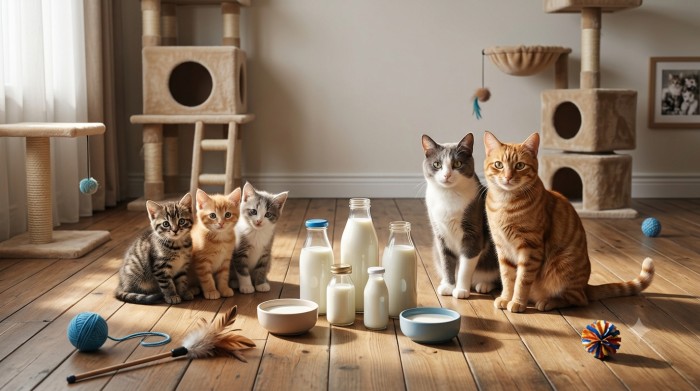
Human lactose-free cow’s milk may contain little or no lactose, but that does not make it an ideal drink for cats. It can still contain calories, fat and other components that are unnecessary for a cat’s diet.
Plant-based alternatives such as almond, oat, soy and coconut milk are also not recommended as substitutes for cat milk. Some can contain ingredients, oils, sugars, additives or other components that are unsuitable for cats.
It is better to choose a product specifically formulated for feline consumption if you want to offer milk as an occasional treat.
How Often Can Cats Have Cat Milk?
There is no universal serving size that suits every cat because products vary in their calorie content and ingredients. The safest approach is to follow the serving guidance on the product label and introduce it gradually.
Keep these points in mind:
- Start with a small amount.
- Watch for diarrhoea, gas or vomiting.
- Don’t use cat milk instead of fresh water.
- Consider the calories when calculating your cat’s daily treats.
- Avoid giving it frequently if your cat gains weight easily.
- Stop offering it if it consistently causes digestive problems.
Cats should always have access to clean, fresh water, which remains their primary drink.
What Should Cats Drink Every Day?
For most healthy cats, fresh water is all they need to drink regularly. Cats receive additional moisture from wet food, while adding water to food can also help increase fluid intake.
If your cat doesn’t seem to drink enough, consider providing multiple water bowls or a cat water fountain. Changes in drinking habits can sometimes indicate an underlying health issue, so unusual or sudden changes should be discussed with a veterinarian.
Signs Your Cat May Not Tolerate Milk
If your cat has consumed milk and subsequently develops diarrhoea, vomiting, excessive gas or abdominal discomfort, the milk may not agree with them. Mild digestive upset can resolve on its own, but persistent symptoms deserve veterinary attention.
Contact your veterinarian if symptoms are severe, continue for an extended period, or are accompanied by dehydration, lethargy, loss of appetite or repeated vomiting.
Final Thoughts
So, are cat milk and lactose-reduced milk safe? For many adult cats, specially formulated lactose-reduced cat milk can be offered occasionally and is generally a better choice than ordinary cow’s milk. However, it is a treat rather than a nutritional necessity.
For kittens, the rules are different. Young, unweaned kittens need their mother’s milk or an appropriate kitten milk replacer—not ordinary cow’s milk or an adult cat-milk product. Once cats are weaned, fresh water and a complete, balanced diet should remain the foundation of their nutrition.