The Rise of Health-Conscious Snacking: Tasty Options Without the Guilt

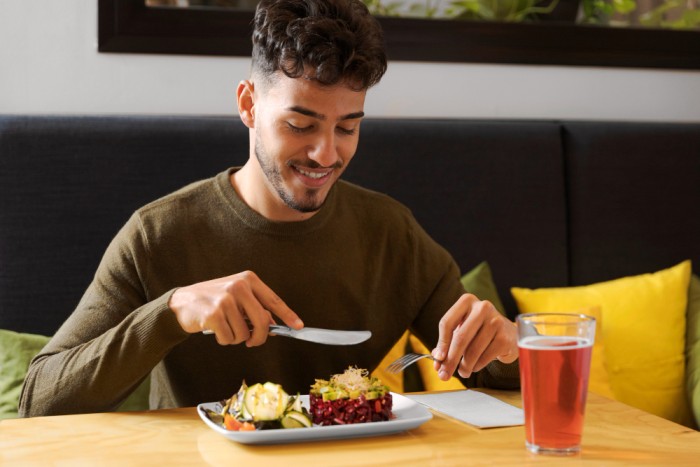
Snacking has traditionally been associated with indulgence, convenience, and often, unhealthy choices. From sugary treats to fried chips, snacks have long been seen as guilty pleasures. However, today’s consumer mindset is shifting dramatically. As health awareness grows, people are seeking snacks that satisfy cravings without compromising their nutritional goals. This movement is driving the rise of health-conscious snacking, a sector that is transforming the food industry and redefining how we approach quick bites.
Understanding Health-Conscious Snacking
Health-conscious snacking isn’t just about choosing low-calorie or low-fat options. It’s a holistic approach that balances taste, nutrition, and convenience. Modern consumers want snacks that provide:
- Functional benefits: Such as added protein, fiber, or probiotics.
- Clean ingredients: Minimally processed with no artificial additives, preservatives, or flavors.
- Satisfying flavors and textures: Ensuring the snack experience is enjoyable, not bland.
This combination allows people to indulge their cravings while staying aligned with dietary preferences, fitness goals, or wellness routines.
The Drivers of the Trend
Several factors are fueling the health-conscious snacking revolution:
- Increased Health Awareness: Growing understanding of the impact of sugar, trans fats, and artificial ingredients has encouraged consumers to make better snacking choices.
- Busy Lifestyles: People are seeking portable, easy-to-eat options that provide energy and nutrition on the go.
- Dietary Preferences: Rising popularity of vegan, plant-based, keto, and gluten-free diets has influenced the types of snacks in demand.
- Functional Foods: The desire for snacks that offer more than calories, such as immune support, gut health, or sustained energy, is reshaping product development.
Together, these factors are prompting brands to innovate and diversify their snack offerings.
Popular Categories in Health-Conscious Snacking
1. Protein-Packed Snacks
Protein has become a staple ingredient in modern snacking. High-protein bars, nut mixes, roasted chickpeas, and jerky alternatives are popular because they support muscle health, satiety, and energy levels.
Brands like RXBAR, Kind Protein, and Quest have captured significant market share by emphasizing natural, recognizable ingredients like egg whites, nuts, and seeds, combined with functional protein content.
2. Plant-Based and Vegan Snacks
Plant-based diets are not just a trend but a lifestyle for many. This has spurred a wave of vegan chips, crackers, and energy bites made from peas, lentils, chickpeas, or grains.
Products like Hippeas chickpea puffs and Beanfields bean chips provide crunch, flavor, and fiber, offering a nutritious alternative to traditional fried snacks. Plant-based snacks appeal not only to vegans but also to flexitarians seeking cleaner, more sustainable options.
3. Functional and Fortified Snacks
Consumers are increasingly looking for snacks that offer functional benefits beyond taste. This includes items fortified with:
- Probiotics for gut health
- Vitamins and minerals to support immunity
- Adaptogens like ashwagandha or matcha for stress relief
Functional snacks provide an easy way to incorporate wellness into daily routines. Products like yogurt-based bites, fortified nut bars, and probiotic drinks are gaining traction.
4. Low-Sugar and Naturally Sweetened Snacks
Reducing sugar intake is a major priority for health-conscious consumers. Snacks sweetened with dates, stevia, monk fruit, or naturally sweet fruits are replacing traditional candy bars and baked goods.
Brands like LÄRABAR and No Cow Bars use natural sweeteners while providing energy, fiber, and protein, giving consumers the satisfaction of sweetness without the sugar crash.
5. Whole-Food-Based Snacks
Snacking is increasingly moving toward whole, minimally processed ingredients. Roasted nuts, seeds, fruit chips, vegetable crisps, and trail mixes provide nutrient-dense alternatives to conventional processed snacks.
Consumers are drawn to these options for their satiety, nutrient content, and transparency in sourcing, often seeking organic, non-GMO, or locally sourced ingredients.
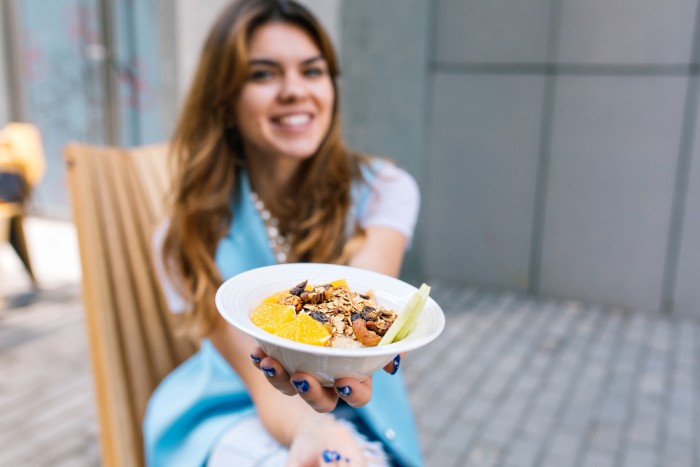
Innovation in Packaging and Accessibility
Health-conscious snacks are also benefiting from innovative packaging and distribution strategies. Brands focus on:
- Single-serve packs for on-the-go convenience
- Sustainable packaging to appeal to eco-conscious consumers
- Subscription services for curated snack boxes delivered to homes
These strategies make it easier for consumers to integrate nutritious snacks into busy lifestyles while aligning with values such as sustainability and convenience.
Global and Local Market Examples
- Beyond Meat Snacks: Using plant-based proteins to create chips and jerky that are high in protein and free from artificial ingredients.
- Hippeas: Popular chickpea puffs that are vegan, gluten-free, and high in fiber.
- RXBAR: Protein bars with minimal ingredients and no added sugar.
- Indian Brands like Sattviko and Yoga Bar: Offering whole-grain, low-sugar, and fortified snacks catering to health-conscious urban consumers.
These examples show the diversity in health-conscious snacking options, catering to both global trends and local tastes.
The Future of Health-Conscious Snacking
The health-conscious snacking segment is expected to grow rapidly in the coming years, driven by increased awareness, technological innovations in food processing, and the rising demand for functional, sustainable, and flavorful options.
Key trends shaping the future include:
- Hybrid snacks: Combining indulgence with nutrition (e.g., chocolate with protein or nuts)
- Customized snacks: Personalized nutrition based on dietary preferences or health goals
- Sustainable sourcing: Ingredients sourced responsibly, appealing to environmentally conscious consumers
The future of snacking is about enjoyment without compromise — satisfying cravings while supporting health, wellness, and ethical values.
Conclusion
Health-conscious snacking has shifted from a niche idea to a mainstream expectation. Consumers no longer want to choose between taste and nutrition; they demand snacks that delight the palate, nourish the body, and align with their values.
From protein-rich bars to plant-based crisps and naturally sweetened bites, the snack aisle is now a landscape of innovation and wellness. For brands, this presents an opportunity to lead with clean ingredients, functional benefits, and sustainable practices, while for consumers, it means enjoying snacks that are tasty, guilt-free, and good for the body.
In short, the rise of health-conscious snacking is transforming how we think about quick bites, turning indulgence into nourishment, and making guilt-free snacking the new standard.