Folding vs. Fat-Tire Electric Bikes: Which Affordable Option Suits Your Lifestyle?


Choosing between a folding electric bike and fat-tire electric bikes comes down to how and where you ride. Both categories have become far more accessible in recent years, offering solid performance without the premium price tags once associated with e-bikes. Folding models prioritize compact storage and urban convenience, while fat-tire designs emphasize stability and all-terrain capability. Understanding the strengths and trade-offs of each helps you match the right bike to your daily routine, storage space, and preferred riding environments.
The Appeal of Folding Electric Bikes
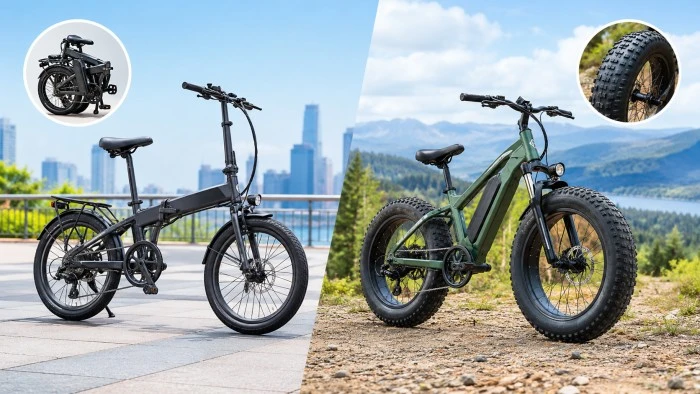
Folding electric bikes are engineered for city life and multi-modal commuting. Their frames collapse into a more compact package that fits in a car trunk, under a desk, or in a small apartment closet. This portability is especially valuable for riders who combine cycling with public transit or who lack dedicated garage space. Most affordable folding e-bikes weigh between 40 and 55 pounds, feature 16- to 20-inch wheels, and deliver assist ranges of 20 to 40 miles depending on battery size and assist level.
These bikes excel on paved paths, bike lanes, and short-to-medium urban trips. The smaller wheels and lighter frames make them agile in traffic, while the electric motor takes the strain out of hills and headwinds. Many models include practical features such as integrated lights, fenders, and rear racks suitable for groceries or a work bag. Because the design prioritizes compactness, ride comfort can feel more upright and slightly firmer than on larger-frame bikes, especially on rough pavement.
For budget-conscious buyers, folding e-bikes often represent the lower entry point in the electric category. Reliable options with solid battery systems and basic LCD displays are widely available under $1,000 to $1,500, making them an attractive first e-bike for city dwellers or occasional riders.
The Strengths of Fat-Tire Electric Bikes
Fat-tire models stand out with their oversized tires—typically 4 inches wide—that provide exceptional traction and a cushioned ride. These tires absorb bumps, roll easily over gravel, sand, light snow, and uneven paths, and give the rider greater confidence on mixed surfaces. The wider contact patch also improves stability at lower speeds and when carrying cargo.
Most affordable fat-tire e-bikes use sturdy frames, 26-inch wheels, and mid- to high-torque motors that handle steeper climbs and heavier loads. Battery ranges commonly fall between 25 and 50 miles, depending on terrain and assist usage. The upright riding position and plush tires make longer recreational rides more comfortable, while the robust build suits riders who want one bike for both paved roads and light off-road exploration.
The trade-off is size and weight. Fat-tire e-bikes are bulkier and usually heavier—often 60 to 75 pounds—so they are less convenient to carry upstairs or store in tight spaces. They also require more room for transport and can feel less nimble in dense urban traffic. Still, for riders who value versatility and a smoother ride over maximum portability, the extra bulk is often worthwhile.
Matching the Bike to Your Lifestyle
Consider your primary use cases. If you live in an apartment, take trains or buses, or need to store the bike indoors, a folding model is usually the practical choice. Commuters who ride short distances on city streets and value easy parking or trunk storage will appreciate the fold-and-go convenience.
If your rides include park trails, beach paths, rural roads, or winter conditions, a fat-tire electric bike delivers better capability and comfort. Riders who haul groceries, kids, or camping gear also benefit from the added stability and load capacity. Some people keep a folding bike for daily commuting and a fat-tire model for weekend adventures, but most affordable buyers need a single versatile machine.
Test rides remain the best way to decide. Pay attention to how the bike feels when starting from a stop, climbing moderate hills, and rolling over typical local surfaces. Check the folding mechanism for ease of use and the battery mounting system for security and convenience. Brands such as actbestbike offer accessible models in both categories, giving budget-minded riders clear options without sacrificing core features like reliable motors and decent range.
Practical Buying Considerations
Look beyond the headline price. Battery capacity (measured in watt-hours), motor power, component quality, and warranty terms influence long-term satisfaction more than a few hundred dollars difference. Ensure the bike meets local regulations for power and speed limits. Factor in accessories you may need—locks, lights, or racks—and confirm that replacement parts remain available.
Maintenance differs slightly between the two styles. Folding hinges and latches require occasional inspection, while fat tires may need more frequent pressure checks and can be more expensive to replace. Both types benefit from regular chain care and brake adjustments.
Conclusion
Folding electric bikes and fat-tire models each solve different lifestyle challenges. Folding designs win for city storage, transit integration, and compact living. Fat-tire electric bikes excel when terrain variety, ride comfort, and all-weather confidence matter most. By honestly assessing your storage situation, typical routes, and how often you need maximum portability, you can select the affordable option that fits your real-world needs and keeps you riding regularly.