How to Choose the Best Work Boots for All-Day Comfort, Safety, and Durability

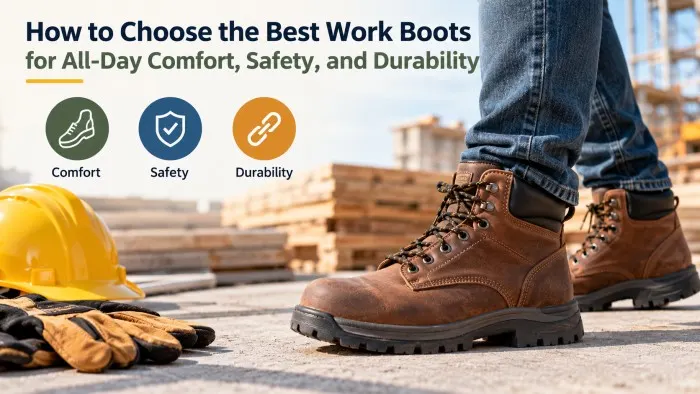
Selecting the right work boots affects daily comfort, protection from hazards, and how long the footwear lasts under tough conditions. Poorly chosen boots can lead to sore feet, reduced focus, or unnecessary risk on the job. A careful approach that balances cushioning, protective features, and construction quality helps ensure the boots support long shifts while standing up to regular wear.
Prioritising All-Day Comfort
Comfort begins with fit and support. Boots should allow enough room in the toe box for natural foot splay while holding the heel securely to prevent slipping. Trying boots on later in the day, when feet are slightly swollen, and wearing the same socks used at work produces a more accurate fit.
Cushioning matters for prolonged standing or walking. Removable insoles with good arch support and shock absorption reduce fatigue. Midsole materials such as EVA or polyurethane offer lightweight cushioning, while some designs incorporate additional heel pads or energy-return elements. Breathable linings and moisture-wicking properties help regulate temperature and keep feet drier during long shifts. Weight is another factor—lighter boots reduce leg strain, though they must still meet the required protection standards. A short break-in period is normal for quality leather, but excessive stiffness or pressure points signal a poor match.
Essential Safety Features
Safety requirements vary by job site, so matching boots to specific hazards is critical. Steel or composite safety toes protect against impact and compression. Composite toes are lighter and do not conduct heat or cold as readily as steel, which can improve comfort in extreme temperatures.
Slip-resistant outsoles with deep treads improve traction on oily, wet, or uneven surfaces. Electrical hazard (EH) ratings provide secondary protection against accidental contact with live circuits. For environments with falling objects or heavy materials, metatarsal guards add coverage over the top of the foot. Waterproof or water-resistant membranes keep feet dry in wet conditions while still allowing some breathability. Always verify that the boots meet relevant safety standards for the industry and region, such as ASTM or EN certifications, and check for clear markings on the product.
Building Durability into the Choice
Durability depends on materials and construction methods. Full-grain leather uppers generally resist abrasion and scuffs better than split leather or synthetic alternatives, though they require occasional conditioning. Quality stitching, reinforced pull loops, and solid hardware (eyelets, speed hooks, or zippers) extend service life.
Outsole attachment is a key indicator of longevity. Goodyear-welted construction allows the sole to be replaced when worn, significantly extending the boot’s usable life. Cemented soles are lighter and often less expensive but are harder to repair once separated. Rubber or specialised compound outsoles resist oil, chemicals, and abrasion depending on the formulation. Looking for boots with replaceable parts or a strong repair reputation adds long-term value.
Matching Boots to the Work Environment
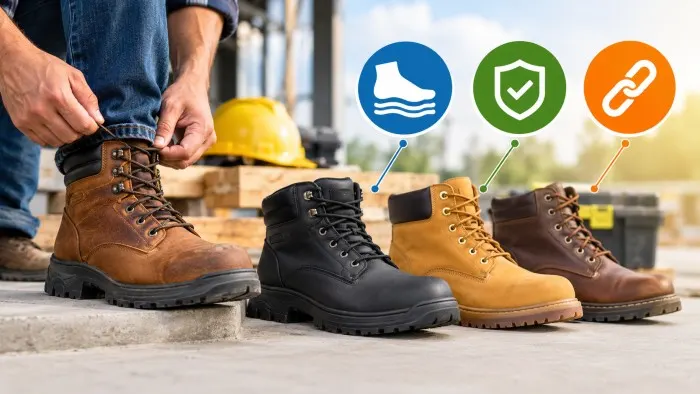
Different jobs place different stresses on footwear. Construction and industrial sites often need maximum protection, including safety toes, puncture-resistant midsoles, and aggressive tread. Warehouse or indoor roles may prioritise lighter weight, flexibility, and slip resistance on smooth floors. Outdoor or agricultural work benefits from waterproofing, insulation options, and sturdy ankle support.
Consider the typical shift length, surface conditions, and whether the boots will face extreme heat, cold, or chemical exposure. Some models offer specific features such as heat-resistant soles or quick-drying materials for specialised environments.
Practical Buying and Care Tips
Measure both feet and prioritise the larger one if there is a difference. Walk on different surfaces in the store if possible, and test ankle mobility and toe flex. Read recent user feedback on long-term comfort and durability rather than relying solely on initial impressions.
Once purchased, proper care prolongs performance. Clean mud and debris regularly, condition leather as recommended, and allow boots to dry naturally away from direct heat. Rotating between two pairs when feasible gives materials time to recover and reduces overall wear. Brands known for robust construction, such as redwingshoes, often provide repair services that further extend the life of well-maintained boots.
Making the Final Decision
The best work boots combine a secure, cushioned fit for all-day wear, the specific protective features required by the job, and construction details that withstand repeated stress. Investing time in assessing fit, verifying safety ratings, and evaluating materials pays off through reduced fatigue, better protection, and fewer replacements.
When comfort, safety, and durability are addressed together, the resulting boots become reliable tools rather than sources of distraction or discomfort. Selecting thoughtfully ensures feet stay supported and protected across the full length of every shift.