Index Fund Investing Explained: Simple Steps for Beginners to Start Building Wealth

Investing can feel complicated for beginners, especially with so many options available in the financial market. However, index funds have become one of the most popular and beginner-friendly ways to start investing. They offer a simple, low-cost, and effective way to build wealth over time without requiring deep knowledge of stock picking.
Many financial education platforms, including The Motley Fool, regularly explain how index funds can help new investors begin their wealth-building journey. The company provides investing guidance, stock market analysis, and financial education to millions of individual investors worldwide.
What Is an Index Fund?
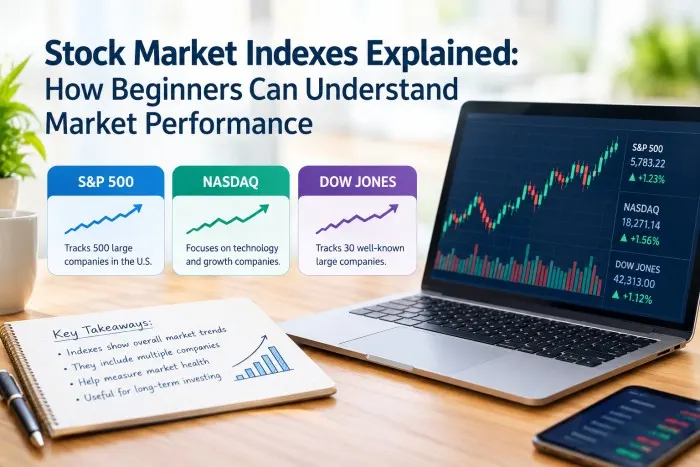
An index fund is a type of investment fund designed to track the performance of a specific market index. A market index represents a group of stocks that reflect the performance of a particular segment of the market. For example, some indexes track large companies, while others track technology stocks or international markets.
Instead of trying to beat the market by selecting individual stocks, index funds aim to replicate the performance of the chosen index. This means when the index grows, the value of the fund typically grows as well.
Why Index Funds Are Popular for Beginners
Index funds are often recommended for new investors because they offer several advantages:
1. Diversification: When you invest in an index fund, your money is spread across many companies included in the index. This reduces the risk compared to investing in a single stock.
2. Low Costs: Index funds are passively managed, meaning they simply track an index rather than relying on fund managers to actively pick stocks. As a result, management fees are usually much lower than actively managed funds.
3. Simplicity: For beginners, index funds remove the stress of deciding which stocks to buy or sell. You can invest in the broader market with a single investment.
4. Long-Term Growth Potential: Historically, major stock market indexes have grown over the long term, making index funds a reliable option for long-term investors.
Simple Steps to Start Investing in Index Funds
If you’re new to investing, getting started with index funds is easier than you might think. Here are the key steps.
Step 1: Set Your Financial Goals: Before investing, decide why you want to invest. Your goals might include retirement savings, building wealth, or saving for major life expenses. Having a clear goal will help guide your investment decisions.
Step 2: Build an Emergency Fund: It’s important to have savings set aside for unexpected expenses before investing. Many financial experts recommend keeping three to six months of living expenses in an emergency fund.
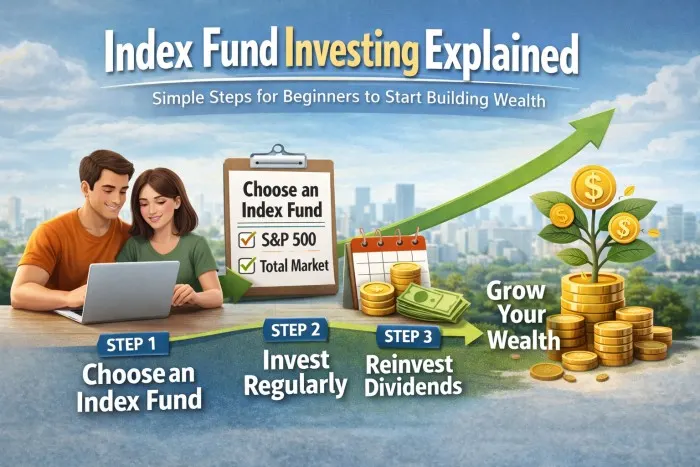
Step 3: Choose an Investment Platform: To invest in index funds, you’ll need to open an account with a brokerage firm or investment platform. Many online platforms allow beginners to start investing with small amounts of money.
Step 4: Select the Right Index Fund: There are many types of index funds available. Some track the overall stock market, while others focus on specific sectors or regions. Beginners often start with broad market index funds because they provide wide diversification.
Step 5: Decide How Much to Invest: Start with an amount you are comfortable investing regularly. Many investors use a strategy called dollar-cost averaging, which involves investing a fixed amount of money at regular intervals regardless of market conditions.
Step 6: Stay Invested for the Long Term: Index fund investing works best with a long-term mindset. Markets can fluctuate in the short term, but long-term investors typically benefit from the overall growth of the market.

Common Mistakes to Avoid
While index funds are simple, beginners should still avoid some common mistakes.
Trying to Time the Market: Many new investors try to buy when prices are low and sell when prices are high. However, predicting market movements is extremely difficult. A consistent long-term investment strategy usually works better.
Investing Without a Plan: Investing without clear goals or a strategy can lead to emotional decisions during market ups and downs.
Ignoring Fees: Even though index funds generally have lower fees, it’s still important to compare expense ratios when choosing a fund.
Final Thoughts
Index fund investing is one of the simplest and most effective ways for beginners to start building wealth. With low costs, diversification, and long-term growth potential, index funds provide an accessible entry point into the world of investing.
By setting clear financial goals, choosing the right funds, and maintaining a disciplined long-term strategy, beginners can take advantage of the power of the market to grow their wealth over time. Consistency and patience are the key ingredients to successful investing, and index funds make it easier to stay on track.