
Dairy-Free vs. Vegan Ice Cream: Understanding the Differences Before Buying


The frozen dessert aisle has expanded far beyond traditional dairy options. Shoppers now encounter many tubs and bars labeled dairy-free or plant-based, and the terms are often used as if they mean the same thing. In most cases they overlap, but they are not identical. Understanding the distinction helps you choose products that match dietary needs, whether you are avoiding milk, following a fully plant-based diet, or simply exploring alternatives to vegan ice cream and classic dairy versions.
What “Dairy-Free” Means
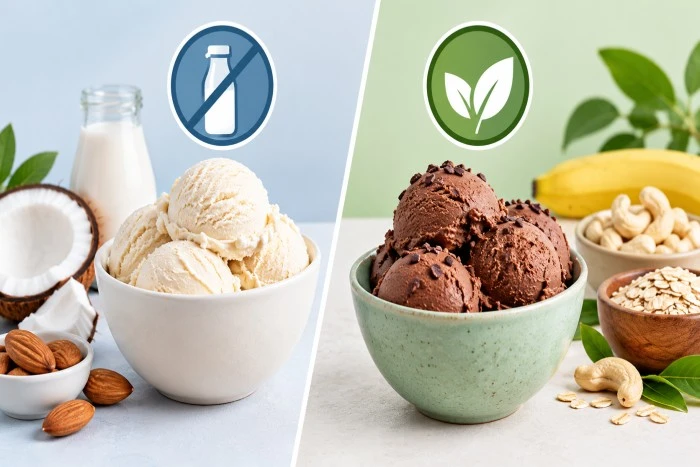
Dairy-free ice cream is made without milk, cream, butter, or other ingredients derived from animal milk. Instead of dairy, manufacturers typically use plant bases such as almond, coconut, oat, soy, cashew, or blends of these. The goal is to deliver a creamy frozen texture without lactose or milk proteins.
For people with lactose intolerance or a milk allergy, dairy-free labeling is the most important signal. However, dairy-free does not automatically guarantee that a product is suitable for every dietary preference. A dairy-free ice cream could still contain other animal-derived ingredients, such as egg yolks (used in some custard-style recipes) or honey. Always read the full ingredient list if you need to avoid eggs or other animal products.
What “Vegan” Means
Vegan ice cream contains no animal-derived ingredients at all. That means no dairy, no eggs, no honey, and no other animal by-products. Most modern plant-based ice creams are formulated to be vegan, and many brands clearly state this on the packaging.
Because vegan products exclude all animal ingredients, they are also dairy-free by definition. The reverse is not always true: a product can be dairy-free without being vegan if it includes eggs or similar ingredients. When a label says only “dairy-free,” extra scrutiny of the ingredients is wise for anyone following a vegan diet.
Base Ingredients and Texture
The plant base strongly influences taste and mouthfeel.
- Coconut often produces a rich, creamy texture and a mild tropical note.
- Oat tends to be neutral and smooth, making it a versatile choice for a wide range of flavors.
- Almond is lighter and can taste slightly nutty; some versions feel less creamy than coconut or oat.
- Soy has a long track record in non-dairy frozen desserts and usually provides good body.
- Cashew and other nut blends are frequently used for premium, dense textures.
Stabilizers and emulsifiers help mimic the structure that milk fats and proteins provide in traditional ice cream. Quality varies by brand, so texture can range from light and icy to dense and scoopable. Checking recent reviews or trying small sizes can help you find preferred styles.
Nutrition and Allergen Considerations
Dairy-free and vegan ice creams differ nutritionally from both each other and conventional ice cream, depending on the recipe. Some are lower in saturated fat than dairy ice cream; others, especially coconut-based products, can be relatively high in saturated fat. Sugar content is often similar to traditional ice cream unless the product is specifically formulated to be lower sugar.
Allergen labeling matters. Nut-based products are unsuitable for people with tree-nut allergies. Soy and gluten may appear in some formulations. Cross-contamination warnings are also relevant for those with severe allergies. Vegan certification or clear “suitable for vegans” wording adds confidence for plant-based shoppers, while “dairy-free” is the critical phrase for milk avoidance.
Label Reading Tips
When comparing products, look for:
- Explicit “dairy-free” or “vegan” claims
- The primary base (oat, coconut, almond, soy, etc.)
- Presence or absence of eggs, honey, or other animal ingredients
- Allergen statements
- Added sugars and overall ingredient simplicity
Some packages use terms such as “plant-based” as a broad descriptor. Plant-based usually aligns with vegan in this category, but confirming the ingredient list remains the safest approach. Ocado stocks a wide selection of dairy-free and vegan ice creams, making it easier to compare bases, flavors, and dietary labels in one place.
Taste and Use Cases
Preferences are personal. Coconut-based options often satisfy people seeking richness. Oat-based versions appeal to those who want a milder profile closer to classic ice cream. Chocolate, vanilla, and fruit flavors can taste quite different depending on the base, so experimenting with a few styles is often the best way to decide.
For entertaining, offering one dairy-free or vegan option alongside traditional ice cream ensures more guests can enjoy dessert. Individual bars and sandwiches can also simplify serving and reduce cross-contact concerns at gatherings.
Making the Right Choice
If your priority is avoiding milk because of intolerance or allergy, focus on clear dairy-free labeling and any relevant allergen information. If you follow a vegan diet, choose products that are explicitly vegan or confirmed free of all animal ingredients. In practice, many of the best-tasting non-dairy ice creams are both dairy-free and vegan, so the two categories frequently lead to the same products—provided the label supports it.
By reading bases, claims, and ingredient lists carefully, you can select frozen desserts that fit your dietary needs without sacrificing enjoyment. The growing range of options means there is usually a good match for both everyday treats and special occasions.







1 Comment
HI,I AM HERE AGAIN AND AGAIN