How to Choose Comfortable Pajamas and Sleepsuits for Newborn Babies

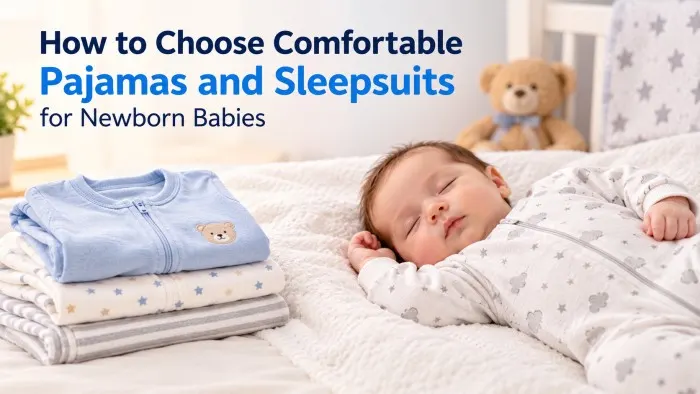
Newborns spend most of their time sleeping, so the right clothing matters for comfort, safety, and ease of care. Soft, well-designed pajamas and sleepsuits help regulate temperature, reduce irritation, and make nighttime changes simpler for parents. With so many options available, focusing on fabric, fit, fasteners, and safety guidelines makes it easier to choose pieces that work well from the start.
Prioritize Soft, Breathable Fabrics
A newborn’s skin is delicate and sensitive. Natural fibers such as 100% cotton are widely recommended because they are soft, breathable, and less likely to cause irritation. Organic cotton can be a good choice for parents who want to minimize exposure to residual chemicals, though any high-quality, tightly woven cotton is usually suitable.
Avoid rough seams, scratchy labels, and synthetic fabrics that trap heat or moisture. Some sleepsuits use cotton blends for added stretch; these can work well if the cotton content remains high and the fabric still feels gentle against the skin. Always check that materials are free from harsh dyes or finishes if your baby has shown signs of sensitivity.
Choose the Right Fit—Not Too Tight, Not Too Loose
Fit is essential for both comfort and safety. Sleepsuits should allow free movement of the legs and arms without excess fabric that could bunch or cover the face. A slightly roomy fit is better than a tight one, especially around the chest, diaper area, and cuffs.
Many newborn sleepsuits come in size ranges such as 0–3 months. Because newborns grow quickly, it is practical to have a few sizes on hand. Fold-over cuffs on hands and feet can help prevent scratches and keep feet covered without needing separate socks. Ensure the neck opening is gentle and that the garment can be taken on and off without forcing the baby’s head or limbs.
Look for Practical Fastenings
Frequent diaper changes make easy access important. Zippers that run from the neck to the foot, or two-way zippers, allow parents to open only the lower part of the suit. Press studs (snaps) along the inseam are another common and effective option.
Check that zippers have a protective guard at the top so the metal or plastic does not touch the baby’s chin or chest. Snaps should be secure but not so stiff that they are difficult to open with one hand. Avoid decorative buttons or small embellishments that could become loose.
Consider Safety and Sleep Guidelines
Safe sleep guidance generally recommends that babies sleep on their backs on a firm, flat surface without loose bedding, pillows, or soft toys. Clothing should support this environment. Sleepsuits that keep the baby comfortably warm can reduce the need for extra blankets.
Be cautious with hoods, heavy appliqués, or large ribbons on sleepwear. Overheating is a risk, so choose lightweight fabrics and dress the baby in layers that can be adjusted according to room temperature. As a simple guide, babies often need one more layer than an adult would find comfortable in the same room, but they should not feel hot or sweaty.
Flame-resistant sleepwear rules vary by region and product type. Many cotton sleepsuits for younger infants are designed as snug-fitting garments; always follow the care label and any safety information provided by the manufacturer.
Think About Day-to-Night Versatility and Care
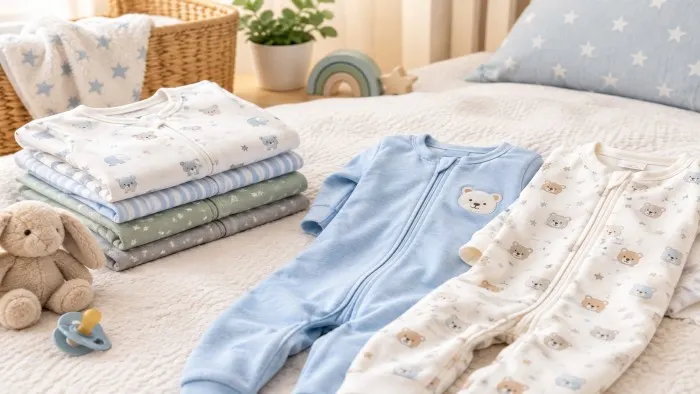
Newborns often wear sleepsuits during the day as well as at night. Neutral colors and simple designs tend to mix and match more easily and show less wear. Having several of the same reliable style can simplify laundry routines.
Machine-washable fabrics that hold up to frequent washing are essential. Wash new sleepsuits before first use with a mild, fragrance-free detergent. Avoid fabric softeners if they leave residue that may irritate skin. Check garments regularly for loose threads, damaged snaps, or worn elastic. H&M offers a range of newborn sleepsuits and pajamas in soft cotton fabrics with practical snaps and zippers, giving parents accessible options for everyday comfort.
Build a Small, Useful Collection
A practical newborn wardrobe usually includes several short-sleeve and long-sleeve sleepsuits, plus a couple of lighter or heavier options depending on the season. Footed suits are convenient; non-footed styles paired with soft socks or booties can work better in warmer conditions or when layering.
As the baby grows, reassess fit every few weeks. Clothing that becomes tight around the toes, wrists, or torso should be replaced. Keeping a simple rotation of well-fitting, soft sleepsuits often works better than accumulating too many rarely used pieces.
Final Thoughts
Comfortable newborn pajamas and sleepsuits share a few clear traits: soft breathable fabric, a safe and flexible fit, easy fastenings, and minimal extras that could irritate skin or interfere with safe sleep. By focusing on these essentials and adjusting for temperature and growth, parents can keep dressing simple and help their baby rest more comfortably through the early months.