Docker VPS Hosting vs. Shared Hosting: Which Is Better for Developers?

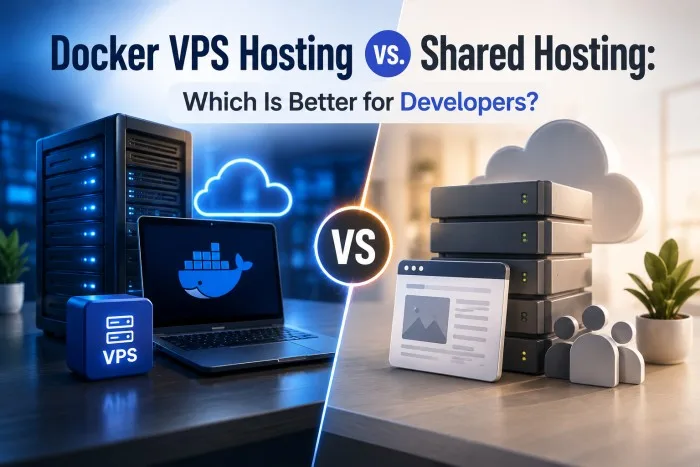
Choosing the right hosting environment is an important decision for developers building websites, applications, APIs, and other digital projects. Two common options are shared hosting and VPS hosting. While shared hosting is affordable and beginner-friendly, a Docker-ready VPS can provide greater control, flexibility, and resources for development workflows.
What Is Shared Hosting?
Shared hosting places multiple websites on the same physical server and distributes server resources among users. The hosting provider generally manages the server environment, security updates, software configuration, and maintenance.
For developers working on simple websites, blogs, portfolios, or small projects, shared hosting can be convenient. It typically requires little server administration and can be inexpensive.
However, developers may encounter limitations when they need specific software versions, custom configurations, background processes, containerized applications, or greater control over the server environment.
What Is Docker VPS Hosting?
Docker VPS hosting combines the flexibility of a virtual private server with containerization technology. Docker allows developers to package an application together with its dependencies, libraries, and configuration into containers that can run consistently across environments.
A VPS provides dedicated virtualized resources and greater administrative control than traditional shared hosting. Developers can install Docker, configure their environment, deploy containers, and manage applications according to their project requirements.
Docker VPS vs. Shared Hosting: Key Differences
1. Server Control
Shared hosting usually provides limited server-level access because the environment is designed for multiple customers.
A VPS generally gives developers significantly more control. Depending on the hosting plan, developers can access the server through the command line, install required packages, configure services, and customize the operating environment.
2. Application Deployment
Shared hosting is generally designed around conventional website deployment methods. This can make deploying applications with complex dependencies more challenging.
Docker VPS hosting makes containerized deployment much more practical. Developers can create images and deploy containers with consistent configurations, helping reduce environment-related issues.
3. Performance and Resources
With shared hosting, server resources are shared among multiple websites. High traffic or resource-intensive activity from other accounts can potentially affect overall performance.
A VPS provides an isolated virtual environment with allocated resources such as CPU, RAM, and storage. This can make it more suitable for applications that require predictable resources.
4. Scalability
Shared hosting can be sufficient for websites with modest traffic, but developers may eventually need to upgrade when applications become more demanding.
A VPS provides greater flexibility for scaling resources as projects grow. Developers can increase computing resources or adjust their infrastructure as application requirements change.
5. Development Flexibility
Developers often need specific versions of programming languages, databases, frameworks, and supporting services. Shared hosting environments may restrict these configurations.
Docker simplifies this process by allowing developers to define application environments inside containers. For developers who need reproducible development and deployment environments, this can be a major advantage.

Where Bluehost Fits In
For developers considering a managed hosting provider, Bluehost offers VPS hosting options designed to provide more control and flexibility than traditional shared hosting. A Docker-compatible VPS environment can be useful for developers who want to deploy containerized applications while maintaining control over their server configuration.
The right choice ultimately depends on the application’s technical requirements, expected traffic, budget, and the developer’s comfort with server administration.
When Should Developers Choose Shared Hosting?
Shared hosting can still be a practical option when:
- You are hosting a simple website or blog.
- Your project has relatively low resource requirements.
- You do not need extensive server customization.
- You want a simple, managed environment.
- Keeping hosting costs low is a priority.
For straightforward projects, the simplicity of shared hosting can outweigh the additional flexibility offered by a VPS.
When Should Developers Choose Docker VPS Hosting?
A Docker VPS is generally better suited to developers who:
- Deploy containerized applications.
- Need root or administrative access.
- Require custom server configurations.
- Run multiple services or containers.
- Need more predictable computing resources.
- Want greater control over their development environment.
- Expect their application to grow over time.
Final Thoughts
For developers, the choice between Docker VPS hosting and shared hosting comes down to flexibility versus simplicity. Shared hosting is convenient and affordable for straightforward websites, while Docker VPS hosting provides greater control, customization, and deployment flexibility.
If your project requires containers, custom software environments, scalable resources, or advanced server configuration, a Docker-ready VPS can be the more suitable long-term solution. For smaller websites that do not require these capabilities, shared hosting may remain the simpler and more cost-effective choice.