Energy-Efficient Home Appliances: Ways to Reduce Utility Bills Without Sacrificing Comfort

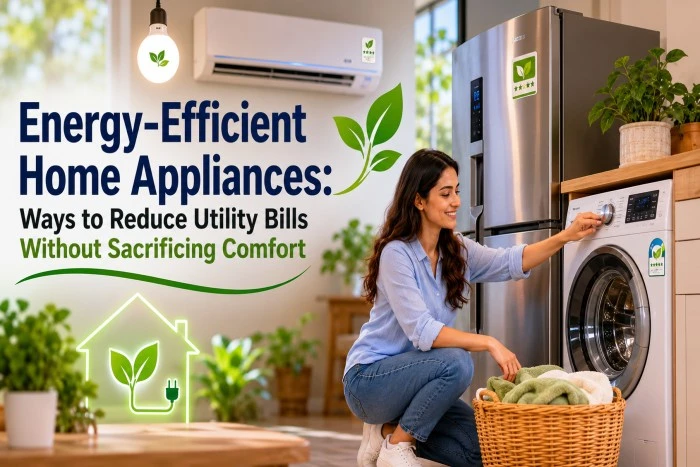
Rising energy costs have made many homeowners rethink how they use electricity and water in their daily lives. Fortunately, modern energy-efficient home appliances offer a practical solution. These appliances are designed to consume less power while delivering the same—or even better—performance than traditional models.
By upgrading key household devices, families can reduce monthly utility bills, minimize environmental impact, and maintain the comfort they enjoy. Understanding how energy-efficient appliances work and where they can make the biggest difference is the first step toward creating a more cost-effective home.
Why Energy Efficiency Matters
Household appliances account for a significant portion of residential energy consumption. Refrigerators, washing machines, dishwashers, air conditioners, and water heaters often run daily, contributing heavily to electricity and water bills. Older models tend to use more resources because they lack modern technologies designed to optimize performance.
Energy-efficient appliances are engineered to perform tasks using less electricity, water, or gas. Over time, these savings add up, making the initial investment worthwhile. In addition to reducing costs, energy-efficient products help lower greenhouse gas emissions, making them a smart choice for environmentally conscious homeowners.
Upgrade to an Energy-Efficient Refrigerator
The refrigerator is one of the few appliances that operates continuously throughout the day and night. As a result, it can be a major source of energy consumption.
Modern refrigerators feature advanced insulation, energy-saving compressors, and smart temperature controls that help reduce power usage. Choosing the right size for your household is equally important. An oversized refrigerator consumes more energy than necessary, while a properly sized unit operates more efficiently. Regular maintenance, such as cleaning condenser coils and ensuring door seals remain tight, can further improve efficiency and extend the appliance’s lifespan.
Choose High-Efficiency Washing Machines
Laundry appliances have evolved significantly over the years. High-efficiency washing machines use less water and electricity while providing excellent cleaning performance. Front-loading washers, in particular, often require less water than traditional top-loading models. They also extract more moisture during the spin cycle, reducing the time and energy needed for drying clothes.
Many consumers browsing home improvement and lifestyle products on platforms like Etsy also discover energy-conscious home solutions and accessories that complement sustainable living practices. Small adjustments, combined with efficient appliances, can create noticeable savings over time.
Invest in Smart Dishwashers
Contrary to popular belief, modern dishwashers can be more efficient than washing dishes by hand. Newer models use precise water jets, sensors, and eco-friendly cycles that minimize water and electricity consumption.
Running full loads and selecting energy-saving settings can maximize efficiency. Many smart dishwashers automatically adjust water usage based on how dirty the dishes are, helping reduce waste without compromising cleaning performance.
Improve Home Comfort with Efficient Air Conditioners
Heating and cooling systems are often the largest contributors to household energy bills. Upgrading to an energy-efficient air conditioner can significantly reduce electricity consumption while maintaining a comfortable indoor environment.
Modern units use advanced compressors and variable-speed technology to regulate temperature more effectively. Smart thermostats can further enhance savings by automatically adjusting temperatures based on occupancy and daily schedules. Proper insulation and regular maintenance also ensure cooling systems operate at peak efficiency throughout the year.
Consider Energy-Saving Water Heaters
Water heating accounts for a substantial portion of household energy use. Traditional water heaters continuously heat and store water, even when it is not needed. Tankless water heaters provide hot water on demand, eliminating standby energy losses. Heat pump water heaters are another efficient option, using surrounding air to heat water with significantly less electricity. These technologies not only reduce utility costs but also provide reliable hot water for everyday comfort.
Use Smart Home Technology
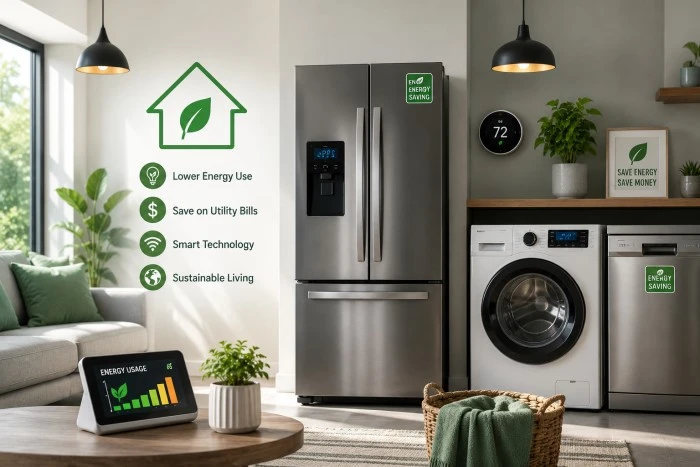
Smart home devices can work alongside energy-efficient appliances to create even greater savings. Smart plugs, programmable thermostats, and energy-monitoring systems help homeowners track and manage electricity consumption in real time.
By identifying which appliances use the most energy, households can make informed decisions about usage patterns and future upgrades. Automation features also prevent unnecessary energy waste by turning devices off when they are not needed.
Look for Energy Certifications
When shopping for new appliances, energy certifications provide valuable guidance. Products that meet recognized efficiency standards have been tested to ensure they use fewer resources while maintaining performance.
Although efficient models may cost more upfront, their long-term savings often offset the initial expense. Reduced energy bills, lower maintenance requirements, and improved reliability make them a worthwhile investment. Interestingly, shoppers exploring handmade home décor and sustainable lifestyle products on Etsy often pair these purchases with energy-conscious upgrades, creating homes that are both stylish and efficient.
Conclusion
Reducing utility bills does not require sacrificing comfort. Energy-efficient home appliances provide an effective way to lower electricity and water consumption while maintaining the convenience modern households depend on. From refrigerators and washing machines to air conditioners and water heaters, upgrading to efficient models can lead to substantial long-term savings.
By combining smart technology, proper maintenance, and carefully selected appliances, homeowners can enjoy a comfortable living environment while keeping energy costs under control. Investing in efficiency today is a practical step toward a more sustainable and financially secure future.