Why Developers Prefer VPS Hosting for Scalable Docker Applications

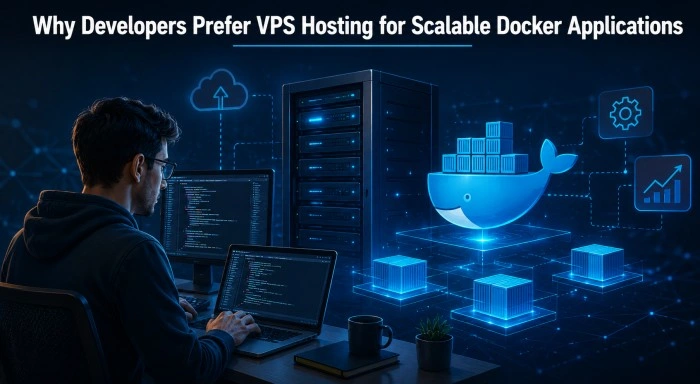
Modern application development demands speed, flexibility, and scalability. As more businesses adopt containerized environments, Docker has become one of the most popular tools for building, deploying, and managing applications efficiently. However, running Docker containers successfully also depends heavily on the hosting environment behind them. That’s why many developers prefer VPS hosting for scalable Docker applications.
Virtual Private Server (VPS) hosting provides the control, performance, and flexibility developers need to manage containerized workloads without the limitations often found in shared hosting environments.
Better Resource Control
One of the biggest reasons developers choose VPS hosting is dedicated resource allocation. Unlike shared hosting, where multiple users compete for CPU, RAM, and storage resources, VPS hosting gives developers isolated resources for their applications.
Docker containers rely on stable system resources to maintain performance, especially when running multiple services simultaneously. With VPS hosting, developers can:
- Allocate resources more efficiently
- Avoid slowdowns caused by neighboring users
- Maintain stable application performance during traffic spikes
This level of control becomes essential for scalable projects and production environments.
Improved Docker Compatibility
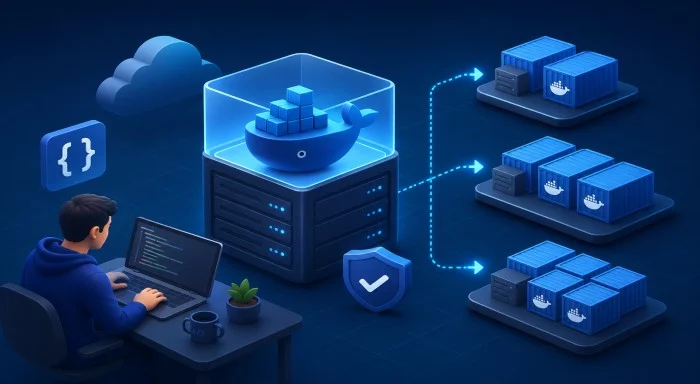
Docker requires deeper system-level access than many standard shared hosting providers allow. VPS hosting offers root access and customizable server environments, making it much easier to install and configure Docker properly.
Developers can:
- Install Docker Engine directly
- Configure custom container settings
- Deploy Kubernetes or Docker Compose environments
- Manage networking and storage drivers
This flexibility allows teams to build infrastructure tailored specifically to their application requirements.
Easier Application Scaling
Scalability is one of Docker’s biggest advantages. VPS hosting complements this by allowing developers to upgrade server resources as applications grow.
When traffic increases, developers can scale by:
- Increasing RAM or CPU power
- Deploying additional containers
- Running microservices independently
- Balancing workloads across environments
This makes VPS hosting ideal for startups, SaaS platforms, APIs, and web applications that expect growth over time.
Enhanced Performance for Development and Production
Docker containers are lightweight, but large-scale applications can still become resource-intensive. VPS hosting provides better performance consistency compared to low-cost shared environments.
This is especially important for:
- Continuous integration and deployment pipelines
- Real-time applications
- E-commerce platforms
- AI and data-processing workloads
- High-traffic websites
Developers often prefer VPS hosting because it offers the right balance between affordability and dedicated-server-like performance.
Stronger Security and Isolation
Security is another major factor. In shared hosting environments, vulnerabilities from one account can potentially affect others. VPS hosting offers isolated environments that reduce this risk.
Combined with Docker container isolation, VPS hosting creates a more secure setup for applications handling sensitive user data or business operations.
Developers can also:
- Configure firewalls
- Manage SSH access
- Install security tools
- Control software updates independently
This added security flexibility is crucial for production-level deployments.
Ideal for DevOps Workflows
Modern DevOps practices rely heavily on automation, containerization, and continuous deployment. VPS hosting supports these workflows effectively by providing full server access and customization.
Teams can integrate tools like:
- Docker Compose
- GitHub Actions
- Jenkins
- Kubernetes
- CI/CD pipelines
This creates smoother deployment processes and reduces the time needed to move applications from development to production.
Cost-Effective for Growing Projects
Dedicated servers can be expensive, especially for startups and independent developers. VPS hosting offers many of the same benefits at a lower cost.
Developers appreciate VPS hosting because it provides:
- Scalable infrastructure
- Reliable performance
- Root-level access
- Flexible configuration options
All without the higher pricing associated with enterprise-grade dedicated servers.
Simplified Environment Consistency
Docker helps eliminate the classic “works on my machine” problem by creating consistent development and production environments. VPS hosting strengthens this consistency by giving developers predictable server configurations.
This allows teams to:
- Test applications more accurately
- Reduce deployment errors
- Maintain uniform environments across staging and production
Consistency becomes increasingly important as projects grow and teams expand.
Reliable Hosting Providers Matter
Choosing the right VPS provider is just as important as choosing Docker itself. Reliable providers offer high uptime, scalable infrastructure, SSD storage, and developer-friendly management tools.
Companies such as Bluehost provide VPS hosting solutions that support Docker-based projects with flexible server resources and scalable hosting environments suitable for developers and growing businesses.
Final Thoughts
Docker has transformed the way developers build and deploy applications, but its full potential depends on the hosting environment behind it. VPS hosting provides the flexibility, performance, scalability, and security developers need to run Docker applications efficiently.
From microservices and APIs to scalable web apps and DevOps pipelines, VPS hosting continues to be a preferred solution for developers who want greater control and reliable infrastructure without the cost of dedicated servers.