Electric Vehicle Insurance Explained: What Every EV Owner Should Know

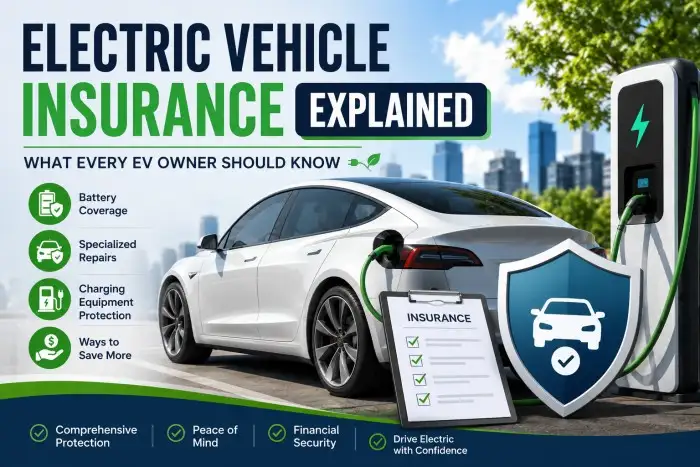
Electric vehicles (EVs) are becoming increasingly popular as more drivers seek environmentally friendly transportation with lower running costs. While owning an EV comes with many benefits, it also introduces unique insurance considerations. From battery protection to specialized repairs, understanding how electric vehicle insurance works can help you choose the right coverage and avoid unexpected expenses.
Whether you’re buying your first EV or looking to update your existing policy, here’s what every electric vehicle owner should know.
Why EV Insurance Is Different
Electric vehicles share many similarities with conventional cars, but they also have specialized components that can affect insurance costs. The most significant difference is the battery, which is often the most expensive part of the vehicle. In addition, EVs use advanced technology, sensors, and driver-assistance systems that may cost more to repair or replace after an accident.
As a result, insurers evaluate EVs differently when calculating premiums.
What Does Electric Vehicle Insurance Cover?
Most EV insurance policies provide the same core protections as traditional car insurance, including:
- Liability coverage for injuries and property damage.
- Collision coverage for damage caused by accidents.
- Comprehensive coverage for theft, vandalism, fire, weather events, and falling objects.
- Uninsured and underinsured motorist protection where available.
- Medical payments or personal injury protection, depending on local regulations.
These standard coverages protect the vehicle just as they would for a petrol or diesel car.
Battery Coverage Matters
The battery is one of the biggest investments in an electric vehicle. While many manufacturers provide battery warranties, insurance can help cover damage resulting from accidents or certain unexpected events.
When reviewing an insurance policy, check whether it includes:
- Battery repair or replacement after a covered accident.
- Coverage for battery damage caused by collisions.
- Protection if the battery is damaged by fire or severe weather.
- Coverage for permanently installed charging equipment when applicable.
Understanding these details can prevent costly surprises later.
Charging Equipment Protection
Many EV owners install home charging stations for convenience. Depending on your insurance provider and policy, charging equipment may be covered if it is damaged by fire, storms, vandalism, or other covered events.
If you’ve invested in a Level 2 home charger, ask your insurer whether additional protection is available.
Specialized Repairs Can Affect Costs
Electric vehicles often require certified technicians and specialized repair facilities. Their advanced electronics, high-voltage systems, and unique construction may increase repair costs compared to traditional vehicles.
Factors that influence repair expenses include:
- Availability of replacement parts.
- Battery inspection requirements.
- Advanced safety sensors.
- Manufacturer-approved repair procedures.
These costs can influence insurance premiums, particularly for luxury EV models.
What Affects EV Insurance Premiums?
Insurance companies consider several factors when pricing an electric vehicle policy, including:
- Vehicle Value: Higher-priced vehicles generally cost more to insure because repairs and replacements are more expensive.
- Driver History: A clean driving record usually results in lower premiums.
- Location: Where you live affects insurance rates based on traffic density, theft rates, and accident statistics.
- Annual Mileage: Drivers who travel fewer miles each year may qualify for lower insurance costs with some providers.
- Safety Features: Many electric vehicles include automatic emergency braking, lane-keeping assistance, adaptive cruise control, and other advanced safety technologies that may help reduce risk.
Ways to Reduce Your EV Insurance Costs
There are several ways to keep premiums manageable:
- Compare quotes from multiple insurers.
- Choose a deductible that fits your budget.
- Maintain a safe driving record.
- Bundle auto insurance with homeowners or renters insurance if discounts are available.
- Ask about discounts for low-mileage driving or advanced safety features.
- Review your policy annually to ensure it still meets your needs.
Even small discounts can lead to meaningful savings over time.
Should You Consider Roadside Assistance?
Electric vehicles are highly reliable, but roadside assistance can still be valuable. Many policies offer services such as:
- Towing to the nearest repair facility.
- Flat tire assistance.
- Lockout service.
- Battery-related assistance.
- Emergency charging support where available.
Having these services included can provide additional peace of mind during long trips.
Choosing the Right Insurance Provider
Not every insurer offers the same level of support for electric vehicles. When comparing providers, look beyond price and consider:
- Experience insuring electric vehicles.
- Easy digital policy management.
- Fast claims processing.
- Flexible coverage options.
- Strong customer service.
- Optional roadside assistance and charging equipment coverage.
Companies such as Lemonade offer digital insurance experiences that make managing policies and claims more convenient for many drivers.
Final Thoughts
Electric vehicles represent the future of transportation, and having the right insurance is an important part of ownership. While EV policies include many of the same protections as traditional car insurance, they also address unique concerns such as battery protection, charging equipment, and specialized repairs. By comparing coverage options, understanding what your policy includes, and reviewing your insurance regularly, you can protect your investment while enjoying the many benefits of driving electric.