How to Choose Comfortable and Trendy Outfits for Kids Aged 9–14

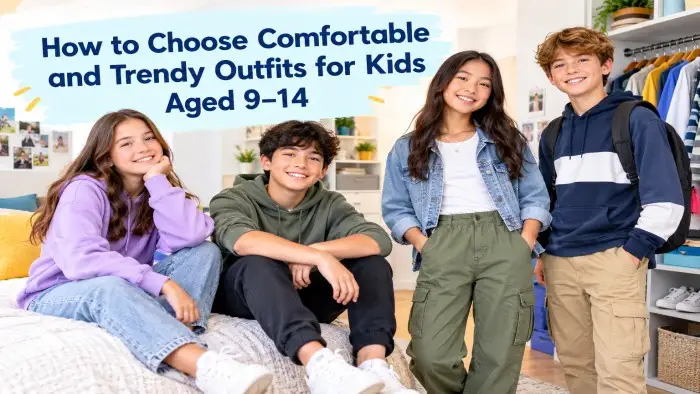
Dressing children in the 9–14 age range means balancing growing independence, changing body shapes, and the desire to fit in with peers. The most successful outfits for kids aged 9-14 combine comfort for school, activities, and everyday movement with styles that feel current without being overly complicated or impractical. Focusing on fit, fabric, versatility, and a few on-trend pieces helps parents and kids build wardrobes that work for real life.
Prioritize Fit and Comfort First
At this age, kids are often active and self-conscious about how clothes feel. Tight waistbands, itchy seams, stiff fabrics, or restrictive sleeves can make even a stylish outfit unwearable. Look for soft, breathable materials such as cotton, cotton blends, and lightweight knits. Stretch in jeans, trousers, and casual dresses improves ease of movement for sports, sitting in class, and walking between activities.
Fit should allow room to grow without looking oversized. Adjustable waists, slightly longer inseams that can be rolled, and layered looks help extend the life of garments. Shoes deserve the same attention—supportive sneakers and flexible everyday shoes prevent discomfort that can ruin an otherwise good outfit.
Build a Simple, Mix-and-Match Base
A practical wardrobe starts with versatile basics. Neutral tops, well-fitting jeans or chinos, simple hoodies, and a couple of easy layers form the foundation. Once these pieces work together, adding a few trend-driven items becomes much easier and more cost-effective.
Useful core items include:
- Soft crewneck or V-neck tees in solid colors
- Comfortable jeans or joggers with a clean silhouette
- A medium-weight hoodie or crewneck sweatshirt
- A versatile overshirt or light jacket
- Simple sneakers that pair with most looks
When the basics coordinate, kids can create multiple outfits without needing an entirely new set of clothes each season.
Incorporate Trends Without Overcommitting
Trends for this age group often include relaxed silhouettes, sporty details, cargo-style pockets, bold graphics used sparingly, and easy layering. Instead of buying every new look, select one or two trend pieces per season that reflect what your child actually likes and will wear.
A single statement hoodie, a pair of widely cut jeans, or a trendy but comfortable overshirt can update several existing outfits. Avoid pieces that require constant adjustment or special care if your child prefers low-maintenance clothes. Trends should enhance daily wear, not create friction.
Consider School and Activity Needs
Many schools have dress codes that limit certain logos, lengths, or styles. Checking those guidelines before shopping prevents returns and morning conflicts. For active kids, prioritize moisture-wicking layers, flexible trousers, and shoes suited to physical education or after-school sports.
Layering is especially useful in transitional weather and air-conditioned classrooms. A light long-sleeve shirt under a short-sleeve tee, or a zip hoodie over a basic top, gives kids control over comfort throughout the day.
Involve Kids in the Process
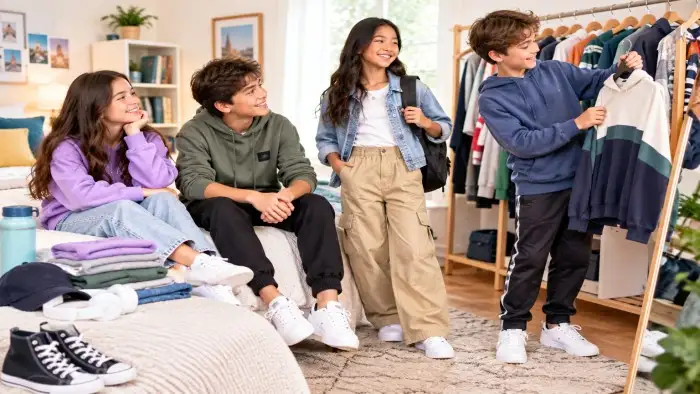
Children aged 9–14 are developing personal style and stronger opinions. Involving them in choices—within reasonable boundaries—increases the likelihood they will wear what you buy. Offer curated options rather than an open-ended shopping trip: “Which of these three tops do you like most?” works better than “Pick anything.”
Discuss color preferences, preferred fits, and which items feel most comfortable. This collaboration reduces wasted purchases and helps kids learn basic decision-making about clothing. H&M provides a wide range of affordable, on-trend kids’ and youth clothing that makes it easier to combine everyday comfort with current styles.
Practical Buying Tips
Check fabric content and care labels. Machine-washable items suit busy households. Reinforce that quality of construction—secure seams, decent zippers, and fabric that holds shape—matters more than brand names for daily wear. Buy a few key items in slightly better quality when possible (jeans, jackets, shoes), and keep trend pieces more budget-friendly.
Seasonal sales and capsule-style shopping reduce impulse buys that end up unused. Finally, create a simple system at home so outfits are easy to assemble. Grouping tops and bottoms that work together, or keeping a small set of “go-to” combinations, helps kids get dressed with less stress on school mornings.
Balancing Style and Practicality
The goal is not perfection or constant newness. It is a wardrobe that lets kids feel comfortable in their clothes and reasonably confident among peers. When fit is right, fabrics feel good, and a few current pieces are mixed with solid basics, outfits become both functional and age-appropriate.
By focusing on comfort, versatility, selective trends, and shared decision-making, parents can support kids aged 9–14 in dressing for school, activities, and everyday life without unnecessary complexity or cost. The result is clothing that works as hard as they do—and that they actually want to wear.