What Does Car Insurance Actually Cover? Liability, Collision, Comprehensive & More

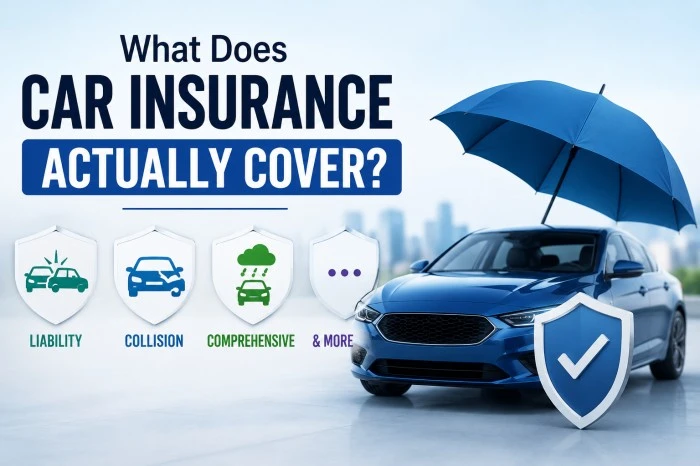
Car insurance can seem complicated when you first look at a policy. Terms such as liability, collision, comprehensive, uninsured motorist coverage, and deductibles can make it difficult to understand what you’re actually paying for. Yet knowing what each type of coverage does is essential when choosing a policy that fits your vehicle, driving habits, and financial situation.
Car insurance generally provides financial protection against certain losses related to your vehicle, injuries, property damage, or accidents. However, coverage varies by policy, insurer, location, limits, and exclusions. Understanding the basics can help you make more informed decisions.
Liability Coverage
Liability insurance is one of the most important components of an auto insurance policy. It generally helps pay for injuries or property damage you cause to another person when you are legally responsible for an accident.
Liability coverage is commonly divided into two categories:
- Bodily injury liability: Helps cover eligible medical expenses and other injury-related costs for people injured in an accident you caused.
- Property damage liability: Helps pay for damage you cause to another person’s vehicle or property.
Liability coverage typically does not pay to repair your own vehicle after an accident you caused. That’s where other types of coverage may become important.
Collision Coverage
Collision insurance is designed to help cover damage to your vehicle resulting from a collision, subject to your policy’s deductible and limits. This may include collisions with another vehicle, a stationary object, or certain other objects. For example, if you accidentally hit a pole while parking, collision coverage may help pay for repairs. Collision coverage is particularly valuable for drivers with newer or more expensive vehicles, although whether it makes financial sense depends on the vehicle’s value and your individual circumstances.
Comprehensive Coverage
Despite its name, comprehensive insurance does not cover every possible loss. Instead, it generally covers certain types of damage to your vehicle that aren’t caused by collisions.
Covered events may include:
- Theft
- Vandalism
- Fire
- Hail
- Falling objects
- Certain weather-related damage
- Animal-related incidents
For example, if a tree branch falls on your parked car during a storm, comprehensive coverage may help with eligible repair costs.
Uninsured and Underinsured Motorist Coverage
Not every driver on the road has adequate insurance. Uninsured motorist coverage can provide protection if you’re involved in an accident caused by a driver who has no insurance, depending on the policy and applicable law.
Underinsured motorist coverage may help when the responsible driver has insurance but their liability limits aren’t sufficient to cover your eligible losses. These coverages can provide an additional layer of financial protection, particularly in areas where uninsured or underinsured drivers are a concern.
Medical Payments and Personal Injury Protection
Depending on where you live, your policy may offer medical payments coverage or personal injury protection (PIP). Medical payments coverage can help pay certain medical expenses for you or your passengers following a covered accident, regardless of who was at fault, subject to the policy terms. PIP can provide broader benefits in some states and may cover certain medical expenses, lost income, or other related costs. Requirements and availability vary considerably by location.
Coverage for Rental Cars and Roadside Assistance
Some policies offer optional benefits that can make dealing with an accident or vehicle breakdown easier. Rental reimbursement coverage may help pay for a temporary replacement vehicle while your insured car is being repaired after a covered loss. Roadside assistance may provide services such as towing, jump-starts, flat-tire assistance, or lockout help, depending on the plan. These features aren’t necessarily included in every policy, so it’s important to check what you’re actually purchasing.
Deductibles and Coverage Limits Matter
Understanding your coverage types isn’t enough. You should also know your deductibles and policy limits. A deductible is the amount you generally pay toward a covered claim before your insurer pays the remaining eligible amount. Choosing a higher deductible can sometimes reduce your premium, but it also means paying more out of pocket when you make a claim. Coverage limits determine the maximum amount an insurer will pay for certain covered losses. Selecting limits that are too low could leave you financially exposed after a serious accident.

What Car Insurance Usually Doesn’t Cover
Car insurance doesn’t automatically cover every type of vehicle-related expense. Common exclusions or limitations can involve normal wear and tear, mechanical breakdowns, intentional damage, or losses outside the policy’s terms. For example, comprehensive coverage may cover damage caused by hail, but it generally isn’t designed to pay for routine maintenance or an aging transmission.
Always read your policy documents to understand specific exclusions. Insurance providers such as Lemonade emphasize straightforward insurance experiences across their product offerings. When evaluating any insurer, including Lemonade, it’s important to review the actual policy terms rather than relying solely on general descriptions of coverage.
How to Choose the Right Coverage
The right combination of coverage depends on several factors, including your vehicle’s value, financial situation, driving habits, location, and risk tolerance. Consider whether you could comfortably pay for major repairs or replace your vehicle after an unexpected loss. If not, broader coverage may provide valuable financial protection. You should also compare quotes from multiple insurers while looking beyond the premium. Deductibles, coverage limits, exclusions, claims service, and available benefits can all affect the overall value of a policy.
Conclusion
Car insurance is more than simply protection against accidents. Liability coverage helps protect you when you cause injuries or property damage, while collision and comprehensive coverage can help protect your own vehicle from different types of losses. Additional options such as uninsured motorist, medical payments, rental reimbursement, and roadside assistance can provide further protection depending on your needs and location.
Understanding these coverage types, along with deductibles, limits, and exclusions, makes it easier to choose a policy that provides meaningful financial protection when you need it most.