How to Protect Your Valuables With Renters Insurance and Extra Coverage


Many renters assume their landlord’s policy will cover personal belongings after a theft, fire, or other loss. In reality, that protection usually stops at the building itself. Renters Insurance is designed to cover your personal property, provide liability protection, and help with additional living expenses if your home becomes uninhabitable. For people with higher-value items, understanding standard limits and available extra coverage is essential to avoiding major financial gaps.
What Standard Renters Insurance Typically Covers
A basic renters policy generally includes three main parts. Personal property coverage helps pay to repair or replace belongings damaged by covered events such as fire, smoke, theft, vandalism, or certain water damage. Liability coverage protects you if someone is injured in your rental or if you accidentally damage another person’s property. Additional living expense coverage can help pay for temporary housing and related costs if a covered loss forces you to move out while repairs are made.
These core protections form a strong foundation. However, standard policies often apply sub-limits to specific categories of valuables. Jewelry, watches, electronics, bicycles, collectibles, and cash frequently have lower coverage caps than the overall personal property limit. That means a single high-value item could exceed what the policy will pay, even if your total coverage appears adequate.
Identifying Gaps in Coverage
Start by creating a simple inventory of your belongings. List items of significant value, estimate replacement costs, and note serial numbers or appraisals where available. Compare those figures against your policy’s category limits. Common shortfalls appear with engagement rings, high-end laptops or cameras, musical instruments, art, and designer goods.
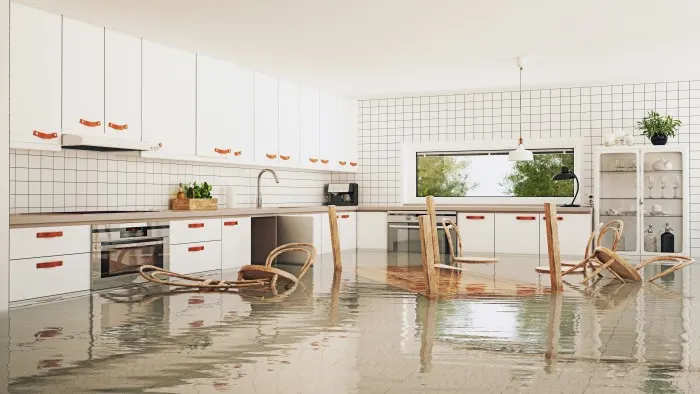
It is also important to understand what is excluded. Most renters policies do not cover damage from floods or earthquakes. Wear and tear, intentional damage, and certain types of water backup may also fall outside standard protection. Knowing these boundaries helps you decide where extra coverage is worth the cost.
Options for Extra Protection
When standard limits are not enough, several tools can strengthen your protection:
Scheduled personal property endorsements (sometimes called floaters or riders) add specific coverage for individual high-value items. These endorsements often provide broader protection, including risks such as accidental loss that a basic policy might exclude, and they usually raise the payout limit for the listed item.
Higher personal property limits increase the overall amount available for your belongings. This can help if you have a large quantity of moderately valuable items rather than a few standout pieces.
Replacement cost versus actual cash value is another key choice. Actual cash value pays the depreciated amount of an item. Replacement cost coverage pays what it would take to buy a new equivalent item at current prices. For valuables, replacement cost is generally the stronger option.
Off-premises coverage and protections for items stored in a vehicle or temporarily elsewhere can also matter for people who travel with electronics, instruments, or sports equipment.
Practical Steps to Strengthen Your Policy
Review your current declarations page carefully. Note the personal property limit, liability limit, deductibles, and any listed sub-limits. If you do not have a policy yet, gather estimates of your total belongings and the value of your most expensive items before requesting quotes. Raise limits or add scheduled coverage for items that exceed standard caps. Keep receipts, appraisals, and photos in a secure digital or physical location outside the home. An updated inventory speeds up claims and supports accurate valuation.
Consider liability limits as well. If you have assets to protect or frequently host guests, higher liability coverage can reduce personal financial risk after an accident. Lemonade offers renters insurance with options that allow customers to adjust coverage and add protection for specific belongings, reflecting a broader industry move toward more flexible digital policies.
Claims and Everyday Habits
Even the best policy works better when paired with good habits. Lock doors and windows, use building security features when available, and avoid leaving valuables in plain sight. For high-value jewelry or documents, a home safe or bank safe-deposit box adds another layer of protection. If a loss occurs, document damage thoroughly, contact your insurer promptly, and keep records of all communications and expenses. Understanding your deductible in advance prevents surprises at claim time.
Balancing Cost and Protection
Extra coverage increases the premium, but the cost is often modest compared with the expense of replacing a major item out of pocket. Focus additional spending on the items that would create the greatest financial strain if lost. Periodic reviews—especially after major purchases, moves, or life changes—keep coverage aligned with your actual situation.
Final Thoughts
Renters insurance provides essential protection for personal belongings and liability, yet standard limits may not fully cover valuables. By reviewing policy details, inventorying high-value items, and adding scheduled coverage or higher limits where needed, renters can close common gaps. Combined with basic security practices and up-to-date records, the right mix of renters insurance and extra coverage offers stronger financial protection for the things that matter most.