Electric Bikes for Rough Roads: Understanding Tires, Suspension and Motor Power


Rough roads can make cycling more challenging, especially when surfaces include potholes, gravel, uneven pavement, loose dirt, or poorly maintained paths. For riders who regularly encounter these conditions, choosing an electric bike with suitable tires, suspension, and motor performance can make a noticeable difference.
Rather than focusing on one specification, it is useful to understand how different components work together to provide stability, comfort, traction, and reliable performance.
Why Tires Matter on Rough Roads
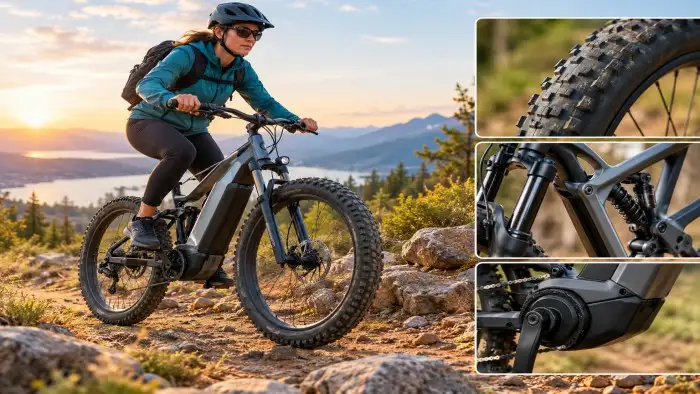
Tires are one of the first features to consider when selecting an electric bike for uneven surfaces. A wider tire generally provides a larger contact area with the ground, which can improve stability and traction on loose or irregular terrain.
Fat tires are particularly popular for riders who travel across gravel, dirt paths, sand, and other challenging surfaces. Their larger volume can also help absorb some minor bumps and vibrations before they reach the rider.
Tread design is another important consideration. More pronounced tread patterns can provide additional grip on loose surfaces, while smoother tires may be better suited to paved roads. The ideal choice depends on the mix of surfaces encountered during regular rides.
Understanding Suspension Systems
Suspension can help reduce the impact of bumps and uneven terrain. On an electric bike, a suspension fork at the front can absorb some shocks as the front wheel travels over potholes, roots, stones, or uneven pavement.
Some bikes are designed without suspension because they prioritize simplicity, lower weight, or primarily paved-road use. Others incorporate front suspension to provide additional comfort when riding across mixed terrain.
Suspension settings and travel also matter. A system designed for light recreational riding may perform differently from one intended for consistently rough trails. Riders should consider the type of terrain they encounter rather than assuming that more suspension is always necessary.
The Role of Motor Power
Motor power affects how an electric bike responds when climbing hills, accelerating, or carrying additional weight. Rough roads may also involve inclines or loose surfaces where consistent motor assistance can be useful.
A higher-powered motor can provide stronger assistance under demanding conditions, but motor output is only one part of overall performance. Battery capacity, rider weight, terrain, gearing, and riding mode can all influence how an e-bike performs.
For example, a rider using an electric bike primarily on city streets may have different requirements from someone regularly travelling across gravel roads and steep inclines.
Battery Capacity and Rough-Terrain Riding
Rough terrain can affect battery consumption because riding conditions may require more motor assistance. Frequent starts, hills, loose surfaces, and heavier loads can all influence range.
When comparing electric bikes, checking the battery’s capacity alongside the manufacturer’s estimated range can provide a better understanding of potential performance. Real-world range can vary depending on speed, rider weight, temperature, terrain, tire pressure, and assistance level.
For riders who spend extended periods away from charging points, a larger battery or a model designed around longer-distance riding may be worth considering.
Frame Design and Stability
A sturdy frame can contribute to stability when riding over uneven ground. Frame geometry, wheel size, riding position, and overall weight distribution can influence how confidently an electric bike handles changing surfaces.
A lower and more balanced riding position may feel more stable to some riders, while larger wheels can help roll over certain obstacles more smoothly. The appropriate combination depends on the rider’s height, riding style, and intended terrain.
Products from ACTBEST demonstrate how different e-bike configurations can be designed around varying riding environments and practical transportation needs.
Brakes Are Equally Important
Stopping performance becomes especially important when riding on rough or unpredictable surfaces. Hydraulic or mechanical disc brakes can provide dependable stopping power, while larger brake rotors may offer additional control in certain riding conditions.
Riders should also remember that braking distances can increase on gravel, wet pavement, mud, or loose surfaces. Good equipment cannot eliminate the need for controlled speeds and careful riding.
Choosing the Right E-Bike for Rough Roads
Before purchasing an electric bike for rough roads, consider the surfaces most frequently encountered. Occasional potholes on urban streets may require different features from regular gravel or off-road riding.
A useful checklist includes:
- Tire width and tread: Consider traction and stability on the intended surfaces.
- Suspension: Determine whether front or full suspension would provide useful comfort.
- Motor performance: Look at assistance levels and hill-climbing requirements.
- Battery capacity: Consider expected riding distance and terrain.
- Braking system: Choose dependable brakes suitable for the riding environment.
- Frame construction: Look for a design that provides appropriate stability and durability.
- Rider fit: Ensure the frame and riding position are appropriate for the rider.
Final Considerations
Electric bikes can make travel across uneven roads more accessible, but the right specifications depend heavily on where and how the bike will be used. Tires influence traction, suspension helps manage impacts, and motor performance supports acceleration and climbing.
By considering these features together, riders can select an electric bike that better matches their regular routes, whether those involve broken pavement, gravel paths, dirt roads, or a combination of surfaces. Regular maintenance of tires, brakes, suspension components, and the drivetrain can also help maintain dependable performance over time.