Common Pet Health Emergencies That Pet Insurance Can Help Cover

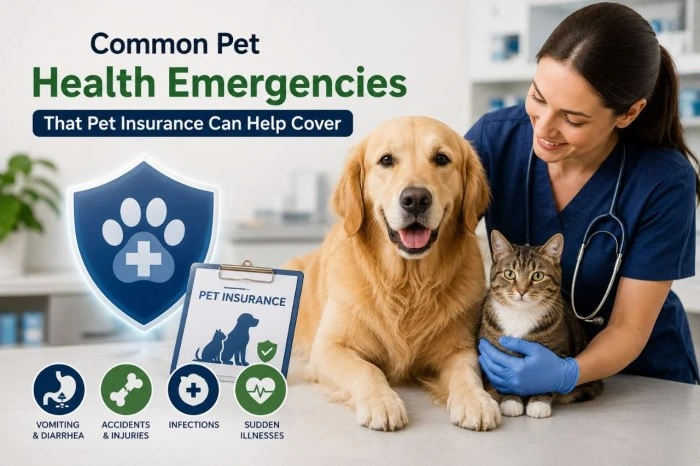
Pets bring joy, companionship, and unconditional love into our lives, but they can also experience unexpected health emergencies that require immediate veterinary care. Whether it’s a sudden illness, an accident, or an injury, emergency treatment can be both emotionally stressful and financially overwhelming. Veterinary costs for emergency procedures, hospitalization, and specialized care can quickly add up, leaving many pet owners facing difficult decisions.
Pet insurance is designed to help reduce the financial burden of unexpected medical expenses by covering eligible treatments based on the policy. While every insurance plan is different, understanding the types of emergencies that commonly affect pets can help owners appreciate the value of having coverage before an emergency occurs.
Accidental Injuries
Accidents are among the most common reasons pets require emergency veterinary care. Curious dogs and adventurous cats often find themselves in situations that can lead to injuries, even in familiar surroundings.
Common accidental injuries include:
- Broken bones
- Cuts and deep wounds
- Sprains and ligament injuries
- Bite wounds from other animals
- Injuries caused by falls
Treatment for these injuries may involve diagnostic imaging, surgery, medications, and follow-up care. Depending on the severity of the injury, veterinary costs can become substantial. Many pet insurance policies help cover eligible expenses related to accidental injuries, making treatment more financially manageable.
Poisoning and Toxic Substance Exposure
Pets are naturally curious and sometimes consume substances that are harmful to their health. Household cleaners, medications, chocolate, grapes, certain plants, and automotive fluids are just a few examples of potentially toxic items.
Symptoms of poisoning may include vomiting, seizures, excessive drooling, difficulty breathing, or sudden weakness. Immediate veterinary attention is often necessary to prevent serious complications. Emergency treatment may involve diagnostic tests, medications, intravenous fluids, or hospitalization. Having insurance coverage can help reduce the financial impact of these unexpected situations.
Gastrointestinal Emergencies
Digestive problems are another frequent reason for emergency veterinary visits. Pets occasionally swallow objects they shouldn’t, such as toys, socks, bones, or household items.
Some gastrointestinal emergencies include:
- Intestinal blockages
- Severe vomiting
- Persistent diarrhea
- Stomach twisting (gastric dilatation-volvulus)
- Foreign object ingestion
These conditions often require diagnostic imaging, surgery, and intensive monitoring. Prompt treatment is essential to prevent life-threatening complications. Insurance can help offset many eligible treatment costs associated with these emergencies.
Urinary Tract Emergencies
Urinary problems can develop suddenly and become serious if left untreated. Cats, in particular, are susceptible to urinary blockages that require immediate medical intervention. Signs of urinary emergencies may include difficulty urinating, frequent attempts to urinate, blood in the urine, or obvious discomfort. Treatment often involves catheterization, laboratory testing, medications, hospitalization, and ongoing monitoring. Because delays can significantly worsen the condition, rapid veterinary care is critical.
Allergic Reactions
Pets can experience allergic reactions to insect stings, medications, foods, or environmental allergens. While some reactions are mild, others can become medical emergencies.
Serious allergic reactions may cause:
- Facial swelling
- Difficulty breathing
- Hives
- Vomiting
- Collapse
Emergency treatment typically includes medications to reduce inflammation and stabilize the pet’s condition. In severe cases, hospitalization may be necessary for observation and supportive care. Many insurance policies include coverage for eligible emergency treatments related to allergic reactions.
As more pet owners recognize the value of financial protection, providers such as Lemonade have helped make pet insurance more accessible. Companies like Lemonade offer coverage options designed to assist with eligible veterinary expenses arising from unexpected accidents and illnesses, giving owners greater confidence when facing emergency situations.
Serious Illnesses
Not every emergency results from an accident. Many pets develop sudden illnesses that require immediate diagnosis and treatment.
Examples include:
- Severe infections
- Pneumonia
- Pancreatitis
- Kidney failure
- Heart-related conditions
These illnesses often require blood tests, imaging, medications, oxygen therapy, and hospitalization. The associated costs can increase quickly, particularly if intensive care is required. Insurance may help cover many eligible expenses depending on the specific policy.
Emergency Surgery
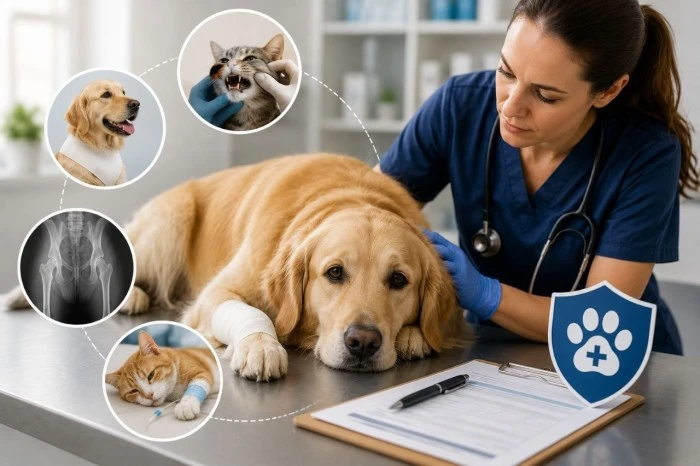
Some medical emergencies cannot be resolved with medication alone. Surgical intervention may be necessary to treat fractures, remove foreign objects, repair internal injuries, or address life-threatening conditions. Emergency surgery often involves multiple expenses beyond the procedure itself, including anesthesia, diagnostics, hospitalization, pain management, and follow-up care. Because these costs can be significant, insurance can provide valuable financial support during critical situations.
Why Early Coverage Matters
One important aspect of pet insurance is that most providers do not cover pre-existing conditions. This means purchasing coverage before health problems develop is generally the best approach. Enrolling pets while they are young and healthy can improve eligibility for future coverage and help owners prepare for unexpected medical events. Reviewing policy details carefully ensures a clear understanding of deductibles, reimbursement rates, waiting periods, and coverage limitations.
Conclusion
Pet health emergencies can happen without warning, and the cost of emergency veterinary care can quickly become overwhelming. From accidental injuries and poisoning to serious illnesses and emergency surgeries, unexpected medical situations often require immediate treatment. Pet insurance provides valuable financial protection by helping cover eligible veterinary expenses, allowing owners to focus on their pet’s recovery rather than unexpected costs. By understanding common emergencies and securing appropriate coverage early, pet owners can be better prepared to provide the care their beloved companions may need when it matters most.