Frozen Vegan Fillets vs. Homemade Plant-Based Alternatives: Which Is Better?

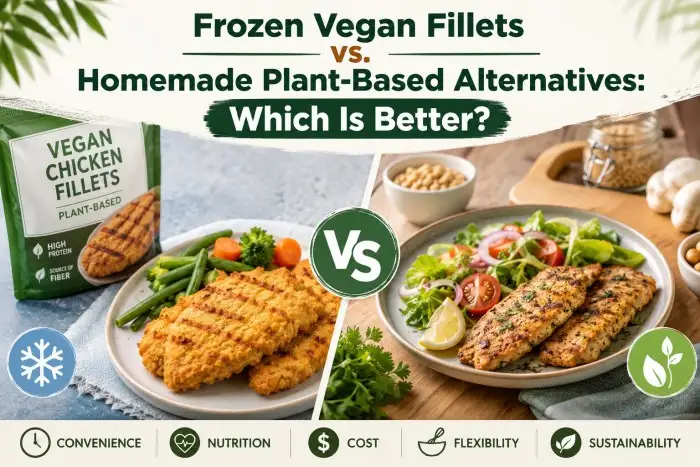
Plant-based eating has become more popular than ever, with people choosing vegan meals for health, environmental, and ethical reasons. Among the many options available today, frozen vegan fillets and homemade plant-based alternatives are two of the most common choices. Both can help you enjoy delicious meat-free meals, but they differ in convenience, nutrition, cost, and preparation time.
If you’re wondering which option is better for your lifestyle, this guide compares the two across several important factors to help you make an informed decision.
What Are Frozen Vegan Fillets?
Frozen vegan fillets are ready-to-cook meat alternatives made from plant-based ingredients such as soy protein, pea protein, wheat protein (seitan), mushrooms, or other vegetable-based ingredients. They are designed to replicate the taste, texture, and appearance of traditional meat fillets while remaining completely vegan.
Many grocery retailers, including Ocado, offer a wide variety of frozen vegan fillets suitable for different cuisines and cooking methods.
What Are Homemade Plant-Based Alternatives?
Homemade plant-based alternatives are meat-free dishes prepared from scratch using whole or minimally processed ingredients. Common ingredients include:
- Tofu
- Tempeh
- Seitan
- Chickpeas
- Lentils
- Beans
- Mushrooms
- Cauliflower
- Jackfruit
These ingredients can be seasoned and cooked to create homemade fillets, patties, cutlets, or strips.
Convenience
Frozen Vegan Fillets
Convenience is one of the biggest advantages.
Most frozen vegan fillets only require:
- Baking
- Air frying
- Pan frying
- Grilling
Preparation usually takes less than 20 minutes, making them ideal for busy professionals, students, and families.
Homemade Alternatives
Homemade recipes usually require:
- Shopping for fresh ingredients
- Preparing seasonings
- Mixing ingredients
- Shaping fillets
- Cooking from scratch
Preparation can take anywhere from 45 minutes to several hours, depending on the recipe.
Winner: Frozen vegan fillets
Nutrition Comparison
Nutrition depends on the specific product or recipe, but there are general differences.
Frozen Vegan Fillets
Many frozen products offer:
- High protein
- Added vitamins and minerals
- Consistent nutrition
- Good fiber content
However, some products may also contain:
- Higher sodium
- Preservatives
- Stabilizers
- Flavor enhancers
Reading nutrition labels helps you choose healthier options.
Homemade Alternatives
Homemade recipes allow complete control over ingredients.
Benefits include:
- Less sodium
- No artificial preservatives
- More vegetables
- Higher fiber
- Healthier oils
You can also customize recipes for gluten-free or soy-free diets.
Winner: Homemade alternatives for ingredient control.
Taste and Texture
Frozen Vegan Fillets
Food manufacturers spend years developing products that closely imitate chicken or meat.
Many frozen vegan fillets provide:
- Crispy coatings
- Juicy interiors
- Consistent texture
- Familiar flavor
These qualities make them appealing even to people new to plant-based eating.
Homemade Alternatives
Taste depends entirely on:
- Ingredients
- Seasoning
- Cooking skills
- Cooking method
Well-prepared homemade recipes can be excellent but may vary from one attempt to another.
Winner: Frozen vegan fillets for consistency.
Cost Comparison
Frozen Products
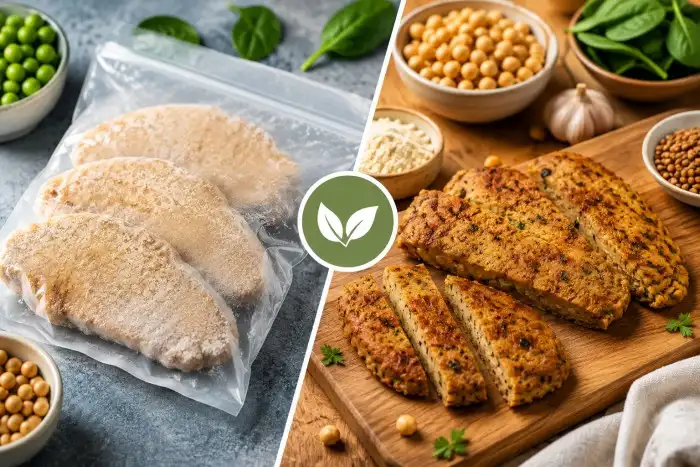
Frozen vegan fillets can cost more per serving because they are processed and packaged.
The price often includes:
- Manufacturing
- Quality control
- Packaging
- Convenience
Homemade Meals
Buying ingredients in bulk often lowers the cost per serving.
Staples like beans, lentils, chickpeas, and tofu are generally budget-friendly, especially when used in multiple recipes.
Winner: Homemade alternatives.
Cooking Flexibility
Frozen Vegan Fillets
They work well in:
- Burgers
- Wraps
- Sandwiches
- Rice bowls
- Pasta
- Salads
- Stir-fries
Most require minimal preparation.
Homemade Alternatives
Homemade recipes offer unlimited customization.
You can adjust:
- Spice level
- Herbs
- Marinades
- Texture
- Protein source
This flexibility allows you to create unique meals tailored to your preferences.
Winner: Homemade alternatives.
Shelf Life
Frozen vegan fillets generally have a long freezer life, making them convenient for meal planning and reducing food waste.
Homemade alternatives usually stay fresh for only a few days unless frozen after preparation.
Winner: Frozen vegan fillets.
Protein Content
Both options can provide excellent protein.
Popular protein-rich ingredients include:
- Soy protein
- Pea protein
- Tofu
- Seitan
- Lentils
- Chickpeas
Frozen products often contain concentrated plant proteins, while homemade recipes can combine several protein sources for balanced nutrition.
Winner: Tie.
Environmental Impact
Both choices typically have a smaller environmental footprint than traditional meat.
Homemade meals may produce less packaging waste, while frozen products offer convenience that can reduce food waste when stored properly.
Choosing local ingredients and minimizing unnecessary packaging can further improve sustainability.
Best Choice for Busy Lifestyles
If your schedule leaves little time for cooking, frozen vegan fillets are a practical solution. They allow you to prepare satisfying meals quickly without sacrificing protein or flavor.
For those who enjoy cooking and experimenting in the kitchen, homemade alternatives provide greater creativity and ingredient control.
Can You Combine Both?
Absolutely.
Many people use a balanced approach:
- Frozen vegan fillets on busy weekdays
- Homemade plant-based meals on weekends
- Meal prep using homemade recipes alongside frozen convenience foods
- Mixing frozen fillets with fresh vegetables for balanced dinners
This strategy provides convenience while maintaining dietary variety.
Tips for Choosing the Right Option
- Read ingredient labels before purchasing frozen products.
- Look for products with higher protein and lower sodium.
- Use herbs and spices to enhance homemade recipes.
- Freeze homemade fillets in batches for future meals.
- Pair either option with whole grains and vegetables for a balanced plate.
- Experiment with different cooking methods such as air frying, grilling, or baking.
Final Thoughts
There is no single winner when comparing frozen vegan fillets and homemade plant-based alternatives. The better choice depends on your priorities.
If convenience, consistent taste, and quick preparation matter most, frozen vegan fillets are an excellent option. If you value complete ingredient control, lower costs, and cooking creativity, homemade plant-based alternatives are hard to beat.
For many people, combining both options offers the best balance of nutrition, convenience, variety, and value. Whether you choose ready-to-cook fillets or make your own from scratch, plant-based meals can be delicious, satisfying, and easy to fit into your everyday routine.