How to Choose the Best Cat Food for Your Cat’s Age and Lifestyle

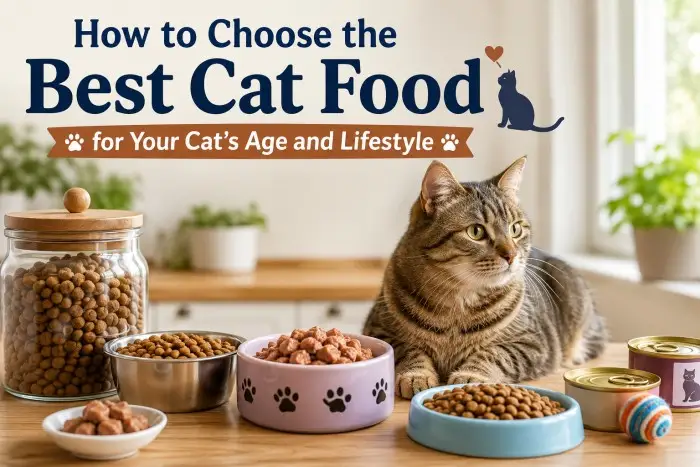
Choosing the right food is an important part of keeping your cat healthy, active, and comfortable. Cats have different nutritional needs depending on their age, activity level, size, and overall lifestyle. A kitten needs different nutrients from a senior cat, while an active outdoor cat may require more energy than an indoor cat.
Consider Your Cat’s Age
Age is one of the first factors to consider when selecting cat food. Kittens are growing rapidly and need food that provides sufficient protein, calories, vitamins, and minerals to support healthy development. Kitten formulas are generally designed to meet these higher nutritional demands.
Adult cats need a balanced diet that supports their muscles, energy levels, and overall health without providing excessive calories. For senior cats, nutritional requirements may change as activity levels and metabolism decline. Senior formulas can be useful when they are appropriate for the individual cat.
Think About Your Cat’s Lifestyle
Your cat’s daily activity level should also influence your choice. Outdoor cats that spend considerable time exploring and playing may burn more calories than indoor cats with a relatively relaxed routine.
Indoor cats may benefit from carefully portioned meals and formulas designed to help manage calorie intake. If your cat is particularly active, discuss its energy requirements with a veterinarian to determine an appropriate feeding routine.
Choose Between Wet and Dry Food
Wet and dry foods both have advantages. Dry food is convenient, easy to measure, and can be stored easily after opening. Wet food generally contains a higher proportion of water, which can contribute to overall fluid intake.
Some owners choose a combination of both. When shopping through retailers such as Ocado, you can compare different types, flavours, formulations, and pack sizes to find options that suit your cat.
Check the Ingredients and Nutrition
Look beyond attractive packaging and focus on the nutritional information. Cats are obligate carnivores, so animal-based protein is an important part of their diet. Check the ingredient list and nutritional information to understand what the product provides.
Avoid making major dietary decisions based solely on marketing claims. If your cat has allergies, digestive sensitivities, or a medical condition, consult a veterinarian before changing its food.

Consider Portion Size and Weight
Even high-quality food can contribute to weight gain if your cat regularly eats more calories than it needs. Follow the feeding guidance on the packaging, but remember that individual requirements can vary.
Monitor your cat’s body condition and adjust portions when necessary. Fresh drinking water should also be available throughout the day.
Make Changes Gradually
If you decide to switch foods, introduce the new diet gradually rather than changing it suddenly. Mixing increasing amounts of the new food with the old food over several days can help your cat adjust.
Ultimately, the best cat food is one that meets your cat’s nutritional needs, suits its age and lifestyle, and is tolerated well. Regular veterinary check-ups can help you make informed adjustments as your cat grows and its needs change.