How to Maximize Your HSA: Smart Ways to Save for Healthcare Costs

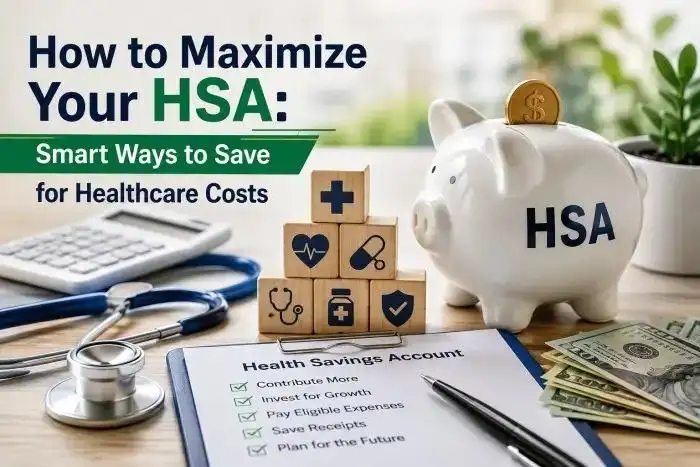
A Health Savings Account (HSA) can be much more than a place to set aside money for upcoming medical bills. When used strategically, it can become a powerful financial planning tool that helps you manage healthcare expenses today while potentially building savings for the future.
However, maximizing an HSA requires more than simply contributing money. Understanding contribution rules, eligible expenses, investment options, and tax advantages can help you get greater value from the account.
Understand How an HSA Works
An HSA is generally available to people enrolled in an eligible high-deductible health plan (HDHP). It allows qualified individuals to set aside money for eligible healthcare expenses while receiving significant tax advantages. Depending on your circumstances and applicable rules, HSA contributions may offer a tax deduction, earnings can grow tax-free, and withdrawals used for qualified medical expenses can generally be tax-free.
Unlike some flexible spending arrangements, unused HSA money generally remains in the account rather than expiring at the end of the year. This makes an HSA useful for both current healthcare spending and longer-term planning.
Contribute Consistently
One of the simplest ways to maximize an HSA is to contribute regularly rather than waiting until you have a large medical bill. Consider treating your HSA contribution like another recurring savings goal. Automatic contributions from your paycheck can make the process easier and help you gradually build a healthcare reserve. Before contributing, check the current IRS contribution limits for your eligibility category. Limits can change from year to year, and employer contributions generally count toward the applicable annual limit.
Take Advantage of Employer Contributions
Some employers contribute money to employees’ HSAs as part of their benefits package. If your employer offers this benefit, understand the requirements and contribution schedule. Employer contributions can effectively increase the amount available for healthcare expenses without requiring you to fund the entire account yourself. Review your benefits information carefully to understand eligibility, contribution amounts, and any conditions associated with receiving employer HSA contributions.
Keep an Emergency Healthcare Fund
Healthcare costs can be unpredictable. A well-funded HSA can provide a dedicated source of money for eligible expenses such as certain medical services, prescriptions, dental care, and vision expenses, depending on current tax rules. Instead of relying entirely on a regular savings account when an unexpected medical bill arrives, having HSA funds available can make healthcare expenses easier to manage. Keeping some HSA money in cash or a readily accessible account may be appropriate for near-term healthcare needs, while longer-term funds may be considered separately based on your financial circumstances.
Don’t Forget About Investment Options
Some HSA providers allow account holders to invest funds once they reach a specified cash balance. This can make an HSA function somewhat like a long-term investment account. If you have sufficient cash available for expected medical expenses and are comfortable with investment risk, investing a portion of your HSA could potentially allow long-term funds to grow.
Investment choices should be based on your financial goals, time horizon, risk tolerance, and overall portfolio. Investments can lose value, so money needed for near-term healthcare expenses generally shouldn’t be exposed to unnecessary market risk.
Save Your Medical Receipts
Keeping documentation for eligible healthcare expenses is an important part of effective HSA management. Maintain receipts, invoices, and other relevant records for qualified expenses. Good recordkeeping can help you demonstrate that withdrawals were used appropriately and can make it easier to track healthcare spending over time. Digital storage can be particularly convenient. Create a dedicated folder for healthcare receipts and update it throughout the year rather than trying to reconstruct expenses later.
Consider Paying Current Expenses Strategically
Some HSA owners use their accounts to pay eligible medical expenses as they occur. Others with sufficient cash flow may choose to pay certain qualified expenses from another account and preserve their HSA funds for future use.
The appropriate approach depends on your financial situation. If you can comfortably cover current medical costs from other savings, leaving HSA funds invested for longer-term growth may be worth considering. However, maintaining adequate emergency savings should remain a priority.
Financial resources such as The Motley Fool can provide broader personal finance and investing education, but HSA decisions should always account for your specific tax situation and current regulations.

Use Your HSA for Qualified Expenses
Knowing what qualifies as an eligible medical expense can help prevent accidental misuse of HSA funds. Qualified expenses can include various medical, dental, and vision costs, subject to applicable IRS rules. Before using your HSA debit card or requesting a reimbursement, check whether the expense qualifies. Rules can change, so relying on current official guidance is preferable to assuming that an expense is eligible based on past experience.
Think About Long-Term Healthcare Costs
Healthcare expenses can become a significant part of retirement planning. Building HSA savings over many years may provide an additional source of funds for qualified healthcare costs later in life. This can be particularly useful because medical expenses may increase as people age. A long-term HSA strategy can therefore complement retirement accounts such as a 401(k) or IRA. Rather than viewing the HSA only as an account for this year’s medical bills, consider how it fits into your broader financial plan.
Review Your HSA Every Year
Your healthcare plan, income, expenses, and financial priorities can change. Review your HSA strategy annually to determine whether your contribution level remains appropriate and whether your provider’s fees and investment options are competitive. Check your balance, recurring contributions, investment allocation, eligible expenses, and available employer contributions. Also verify the latest contribution limits and tax rules before making major changes.
Build a Smarter Healthcare Savings Strategy
Maximizing an HSA is ultimately about using its features intentionally. Consistent contributions, employer benefits, careful recordkeeping, appropriate investing, and awareness of qualified expenses can help you make the account more effective.
The most suitable strategy depends on your healthcare needs, financial resources, investment preferences, and tax circumstances. By treating your HSA as both a healthcare resource and a potential long-term financial tool, you can create a more organized approach to managing medical costs today and in the years ahead.